
In brief
In the early hours of Sunday, a powerful explosion rocked Qatar’s largest liquefied natural gas plant at Ras Laffan, killing at least thirteen workers and injuring six dozen more. Energy Minister Saad Sherida al‑Kaabi said the incident was a technical accident, not sabotage, and that production would not be affected long‑term, though repairs would likely reduce output by 12.8 million tonnes per year for several years. The blast occurred as workers restarted operations after months of maintenance, amid a backdrop of Iranian strikes that previously damaged the port. The incident highlights vulnerabilities in the GCC’s energy infrastructure and underscores the importance of stringent safety protocols during high‑risk operations.
Explosion at Qatar’s Ras Laffan LNG Facility
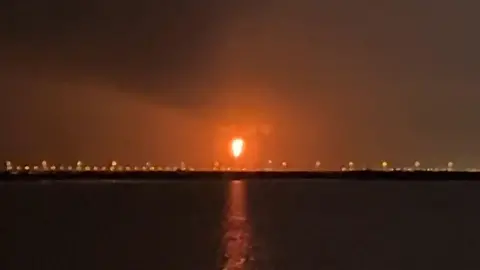
At least thirteen workers lost their lives and sixty‑six were treated for injuries after a massive explosion destroyed part of the Barzan local gas supply facility on Sunday night. The blast, which painted Doha’s skyline orange, was described by the Interior Ministry as a “technical accident”.
Energy Minister Saad Sherida al‑Kaabi stressed that the explosion would not impede Qatar’s LNG exports, dismissing any suggestion of sabotage and confirming that the incident was “not hostile in nature”. He also added that the government was probing the cause of the blast, which occurred hours before workers were scheduled to restart the plant’s operations.
The Ras Laffan Port is the world’s largest artificial harbour and the home of the biggest LNG export facility, a strategic asset that had been subject to Iranian strikes earlier in 2024. The blast rattled windows across central Doha and was felt up to 70 km from the site. Al‑Kaabi said the government was still assessing when the facility could resume full production, noting that the plant had been idle since December 2025 for urgent maintenance and had only just been restarted two days prior to the explosion.
Local authorities deployed emergency teams that quickly contained the fire. While the incident was determined to be a technical fault, investigators are examining the safety procedures in place as well as the integrity of the gas supply system. Al‑Kaabi reported that all of the victims were citizens of India and Pakistan, and the Embassy of India in Doha has offered assistance to the families of the deceased and injured.
The incident comes at a time when QatarEnergy, the state‑owned energy company, announced that necessary repairs would reduce the facility’s LNG output by 12.8million tonnes per year for the next three to five years. The timing of this deficit is significant, as the port has already taken a hit from previous Iranian strikes during the US‑Israel‑Iran conflict and from its regional conflict‑related halt of fifth‑of‑world‑shipments, which had only recently started to resume.
For further coverage of the economic implications and regional context, see the accompanying feature on Gulf economies and the last‑minute impact of Iran‑related disruptions.
