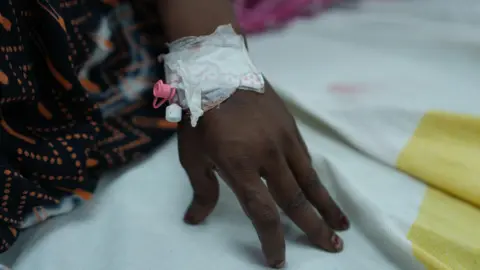
Soma’s Night to Remember
On 11 June, a 28‑year‑old mother of four, who we will call Soma, was attacked in the open‑air bathroom of her one‑room house in Begusarai district, Bihar. Five men broke in, gagged her, tied her hands, slashed her chest and raped her, inserting objects—including what she later claimed was an empty bullet shell—into her vagina. The violence left her unconscious and covered with blood.
She was taken by her husband, an e‑rickshaw driver, to a police station about 3 km away. Police officers, instead of pressing for a formal complaint, sent them to a doctor, effectively turning the rape away at the very first point of contact. The police station head, Rajiv Kumar, was later suspended for neglect.
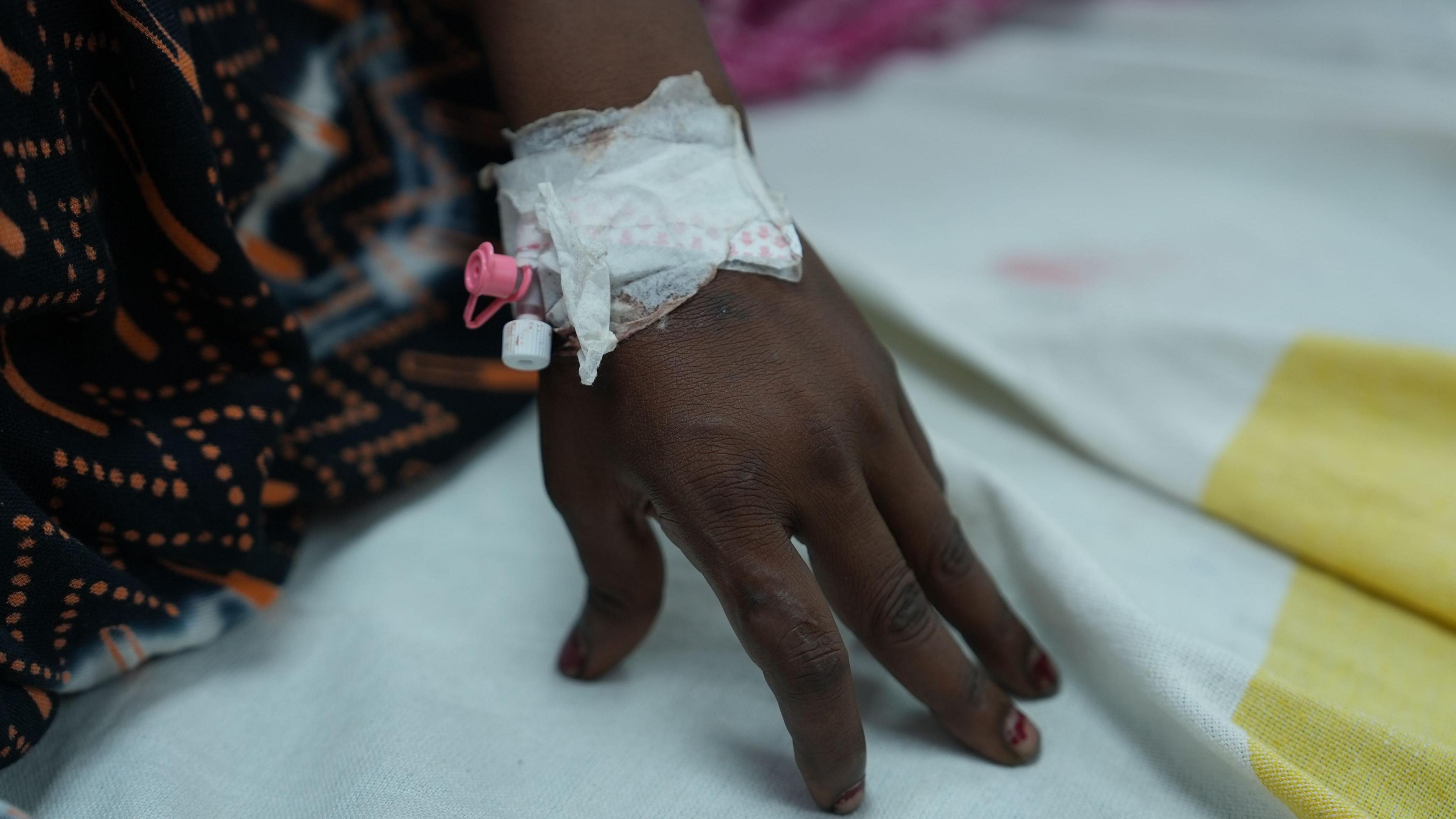
Soma’s condition was initially dismissed as stomach pain. It was only when a village midwife noticed a bullet casing and notified the district surgeon that a fuller medical examination revealed the presence of inserted objects. After discharge, Soma’s status fluctuated between hospital and home with repeated discharges and readmissions.
Police and Legal Response
Three accused men – two already arrested – are named in the case. A Special Investigation Team conducts raids to nab the remaining suspects. Police say the accused carry past criminal records, invoking sections that address gang rape as a serious offence.
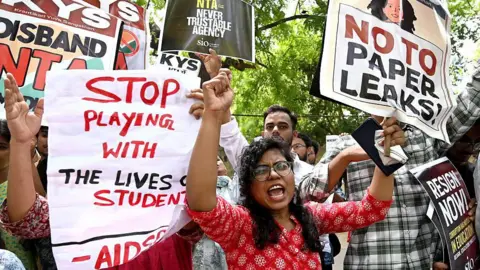
The case has drawn sharp criticism from anti‑rape activists who note that despite the media spotlight, many such crimes remain unreported or untreated.
The Echoes of 2012
The brutality of Soma’s assault echoes the 2012 Delhi gang rape that rattled India and global consciousness, which culminated in heightened public protests and the introduction of the death penalty for serious rape crimes. While four of the offenders were executed in 2020, this new tragedy shows how far India still is from truly deterring such violence.
Researchers note that over 30,000 rapes are registered annually in India, with most cases recessed in rural or under‑policed zones. Activists like Yogita Bhayana argue that society has not internalised the threat of capital punishment even in the worst cases.
Soma’s Current Status
Today Soma remains in a hospital bed, receiving ongoing medical care while her family, now 35 km away, is looking after her children. She continues to suffer from pain, yet expresses hope to return home once she has recovered.
As national attention mounts on the case, the larger conversation about gendered violence, police accountability, and legal deterrence is once again forced into the spotlight.