One summer afternoon in 2018, two men set out on a road trip into the Karbi Anglong region of India's northeastern Assam state. They never came back.
Abhijeet Nath, a 30-year-old businessman, and Nilotpal Das, a 29-year-old musician, were driving from the city of Guwahati. By evening, their journey had taken them to a village, where they were surrounded by a mob that suspected them of being 'child kidnappers' and beaten to death.
The case drew national attention - not only for its brutality, but because it reflected a wider pattern of violence emerging at the time. Across parts of India, rumors about child-abduction gangs were spreading rapidly through WhatsApp messages and viral videos, fueling suspicion of strangers and, in some cases, mob attacks.
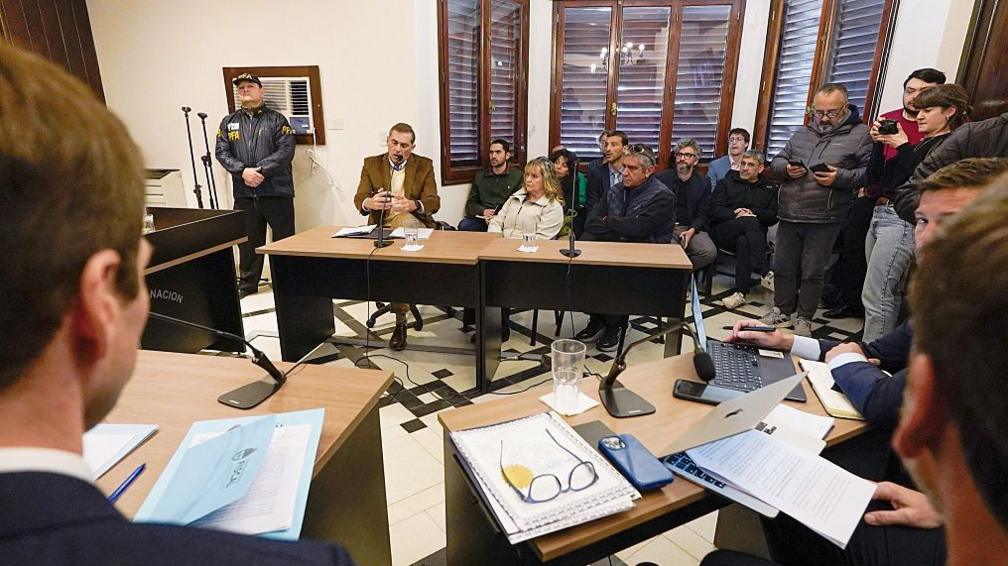
Nearly eight years later, the lynching is back in the headlines after a court in Assam convicted 20 people, finding them guilty of murder and participation in an unlawful assembly, while acquitting 25 others for lack of evidence 'beyond reasonable doubt'. It will announce the quantum of punishment on Friday.
Those convicted have denied the allegations. They have the option to appeal against the verdict in a higher court.
In its order, the sessions court said: 'This is not a simple case of murder. The involvement of [the] entire locality is established from the evidence on record.'
But for the victims' families, the ruling has fallen short of their expectations of justice, with the acquittal of more than half of the accused being a key concern.
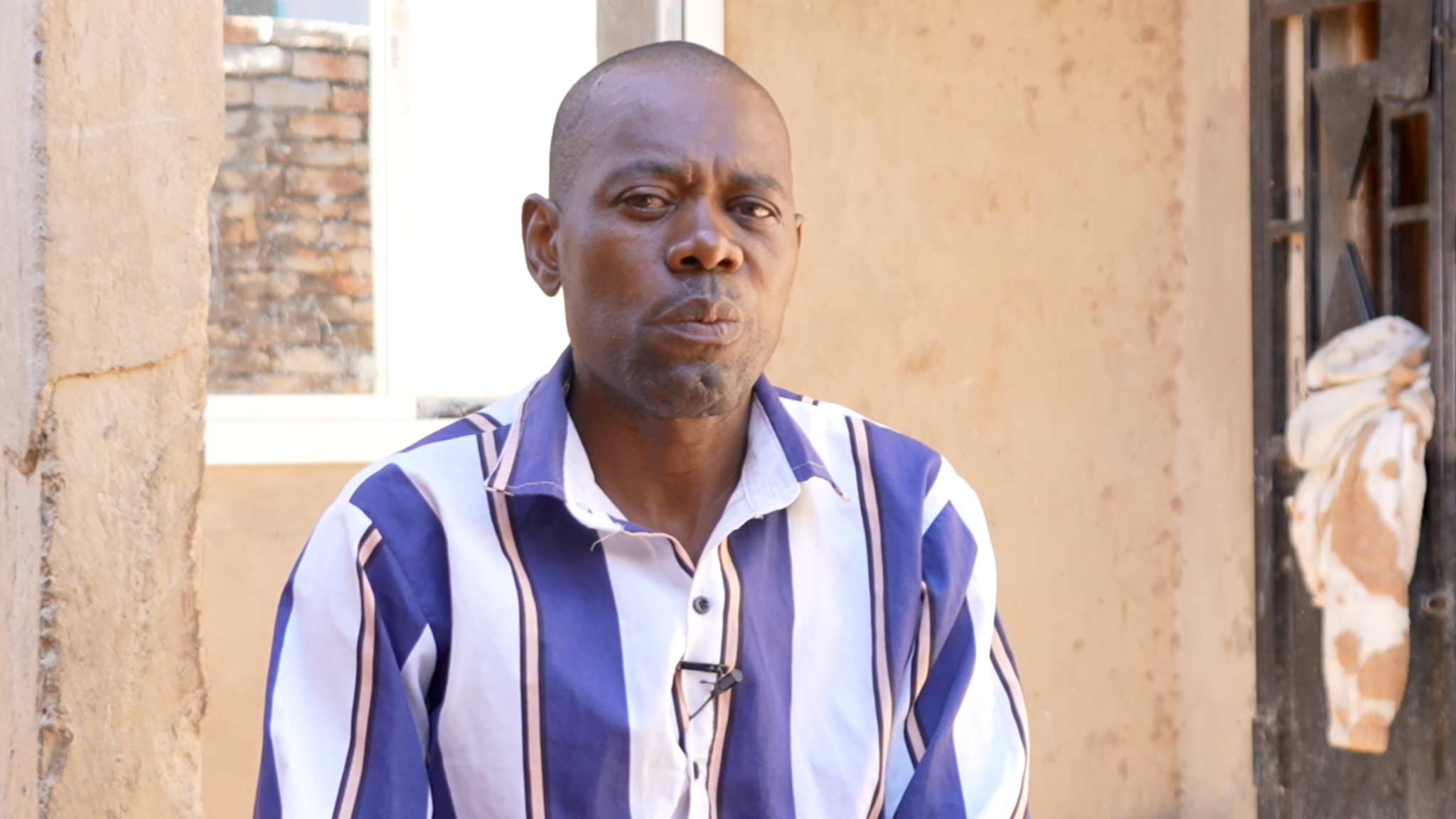
Das's father, Gopal Das, told reporters the family was 'not satisfied', adding that they would consult with their lawyer on possible next steps and that they sought the strictest punishment for those convicted.
Nath's family has expressed similar concerns, saying they were considering legal options over the acquittals and hoped for government support.
The judgment, passed on Monday, uses witness statements and police evidence to piece together what happened that June evening in 2018. According to witnesses, a 'hue and cry' drew villagers to the spot where Nath and Das were being held. The court records a crowd of around 150-200 people, with at least 50 directly participating in the attack using sticks and other weapons, which led to the deaths.
The ruling has renewed focus on one of the most widely discussed cases of mob violence in recent years which sparked protests and demands for accountability.
At that time, there was a wave of attacks fueled by rumors circulating across parts of India - often spread through WhatsApp messages and viral videos alleging the presence of child-abduction gangs. Authorities struggled to contain misinformation, leading to tragic incidents.
The episode also became a turning point for law enforcement agencies. The response to incidents shifted, focusing on grassroots outreach and community engagement to verify information and discourage rumors, marking an evolution in handling such crises.
Despite these changes, families still grapple with the loss, highlighting the need for continuous dialogue on the issue of mob violence linked to misinformation, and the need for legal frameworks to address such lynchings effectively.
Abhijeet Nath, a 30-year-old businessman, and Nilotpal Das, a 29-year-old musician, were driving from the city of Guwahati. By evening, their journey had taken them to a village, where they were surrounded by a mob that suspected them of being 'child kidnappers' and beaten to death.
The case drew national attention - not only for its brutality, but because it reflected a wider pattern of violence emerging at the time. Across parts of India, rumors about child-abduction gangs were spreading rapidly through WhatsApp messages and viral videos, fueling suspicion of strangers and, in some cases, mob attacks.
Nearly eight years later, the lynching is back in the headlines after a court in Assam convicted 20 people, finding them guilty of murder and participation in an unlawful assembly, while acquitting 25 others for lack of evidence 'beyond reasonable doubt'. It will announce the quantum of punishment on Friday.
Those convicted have denied the allegations. They have the option to appeal against the verdict in a higher court.
In its order, the sessions court said: 'This is not a simple case of murder. The involvement of [the] entire locality is established from the evidence on record.'
But for the victims' families, the ruling has fallen short of their expectations of justice, with the acquittal of more than half of the accused being a key concern.
Das's father, Gopal Das, told reporters the family was 'not satisfied', adding that they would consult with their lawyer on possible next steps and that they sought the strictest punishment for those convicted.
Nath's family has expressed similar concerns, saying they were considering legal options over the acquittals and hoped for government support.
The judgment, passed on Monday, uses witness statements and police evidence to piece together what happened that June evening in 2018. According to witnesses, a 'hue and cry' drew villagers to the spot where Nath and Das were being held. The court records a crowd of around 150-200 people, with at least 50 directly participating in the attack using sticks and other weapons, which led to the deaths.
The ruling has renewed focus on one of the most widely discussed cases of mob violence in recent years which sparked protests and demands for accountability.
At that time, there was a wave of attacks fueled by rumors circulating across parts of India - often spread through WhatsApp messages and viral videos alleging the presence of child-abduction gangs. Authorities struggled to contain misinformation, leading to tragic incidents.
The episode also became a turning point for law enforcement agencies. The response to incidents shifted, focusing on grassroots outreach and community engagement to verify information and discourage rumors, marking an evolution in handling such crises.
Despite these changes, families still grapple with the loss, highlighting the need for continuous dialogue on the issue of mob violence linked to misinformation, and the need for legal frameworks to address such lynchings effectively.