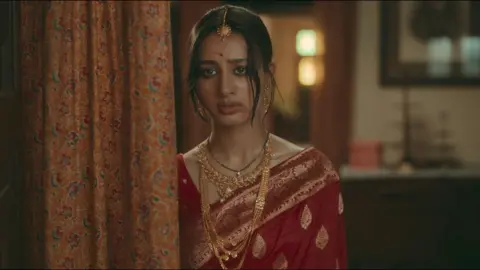
Critics praise the series for tackling a subject often considered taboo, initiating discussions on social media about consent and misogyny. However, some viewers have labeled it as anti-men and accused it of undermining the sanctity of marriage.
Divy Nidhi Sharma, the show's scriptwriter, explains that the narrative follows two women, Kamlesh and Pooja, who represent contrasting ideologies regarding gender roles. While Kamlesh adheres strictly to traditional customs, Pooja embodies modern values of gender equality.
After marrying Kamlesh's brother-in-law, Arun, Pooja's life takes a tragic turn when he rapes her on their wedding night, claiming his actions are justified. This moment lays the foundation for a narrative that explores the complexity of marital consent.
Despite a rise in activism, India remains among a small number of countries where marital rape is not legally recognized as a crime. Activists continue to press for legislative change, challenging a colonial-era law that permits a man to force sex on his wife.
In interviews, cast members, including Divya Dutta, who portrays Kamlesh, express their hopes that Chiraiya can stimulate necessary discussions about women's rights and societal pressures surrounding marriage.
Director Shashant Shah emphasizes that the goal of Chiraiya is not to villainize men, but rather to highlight ingrained patriarchal values that affect everyone within society.