In brief
India's government is set to introduce a constitutional amendment aimed at reserving one-third of seats in Parliament and state assemblies for women, coinciding with a significant redraw of electoral constituencies. While this historic move has been hailed as a push for women's empowerment, opposition parties are raising concerns about the motives behind the timing and the potential political ramifications. The current landscape of only 14% female representation in Parliament could shift to approximately 33%. With a formal discussion beginning Thursday, this initiative unfolds against the backdrop of rising political tensions ahead of forthcoming elections.
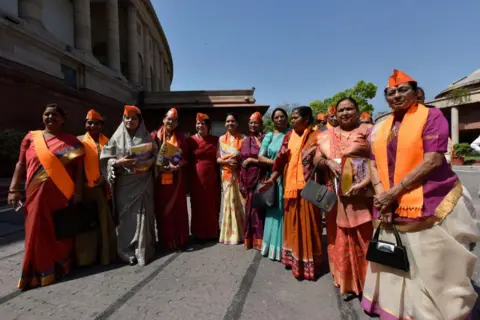
India is preparing for a transformative change in its political architecture, aiming to reserve one-third of parliamentary and state assembly seats for women through a constitutional amendment. This initiative is scheduled to be discussed in a three-day special session starting Thursday. Currently, women represent only about 14% of India's 543 lower house MPs, and the reform aims to boost this number to roughly one-third, aligning with global benchmarks for female political representation.The proposed bill, named the Nari Shakti Vandan Adhiniyam, is tied to a broader agenda that includes a reallocation of parliamentary seats based on the 2011 census, likely increasing the total from 543 to around 850. However, this has led to significant pushback from opposition parties, who accuse the ruling government of rushing these changes amid an election season.Opponents argue that the government is using the push for women's reservation to expedite a major restructuring of electoral boundaries that could disadvantage certain regions. The southern states, known for their lower fertility rates, are particularly concerned about losing representation due to the proposed delimitation exercise.Historically, India has paused delimitation exercises since the 1970s due to concerns about uneven population growth across states. Nevertheless, the current BJP government has indicated a willingness to proceed with changes based on the older census data which many see as outdated.Prime Minister Modi has framed this bill as a landmark initiative for women's empowerment in India, emphasizing its potential significance in shaping the future of the nation’s political landscape. Despite strong government support, the approach and timing of the bill continue to evoke strong reactions amidst rising tensions and debates about representation and equity within the country’s evolving political framework.