Political Fish: How West Bengal Elections are Centered on Fish Symbolism
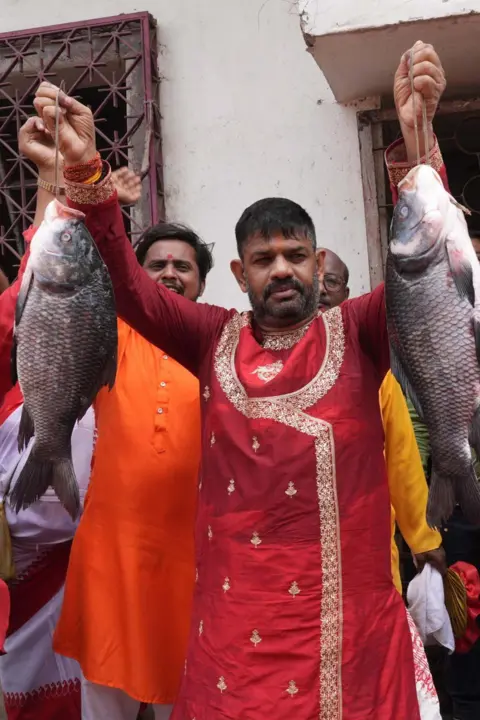
On a sticky morning in the eastern Indian city of Kolkata, Koustav Bagchi, dressed in crisp traditional white and red attire with a fish in hand, engages with voters as drums beat and supporters chant his name. Bagchi, a lawyer-turned-politician and the Bharatiya Janata Party (BJP)’s candidate from Barrackpore, emphasizes a visual cue to communicate his connection to the people: ‘I am one of you.’ This political theatre is expanding across West Bengal, with candidates employing fish to resonate with cultural identity.
Fish, more than just a source of sustenance in Bengal, symbolizes a deep-rooted connection to local identity. With nearly 66% of West Bengalis consuming fish weekly, it is a significant cultural marker that transcends mere dietary preferences. As political parties ramp up their campaigns ahead of the assembly elections, fish has shifted from the plate to the heart of political debates, recalling the anxieties around cultural integrity.
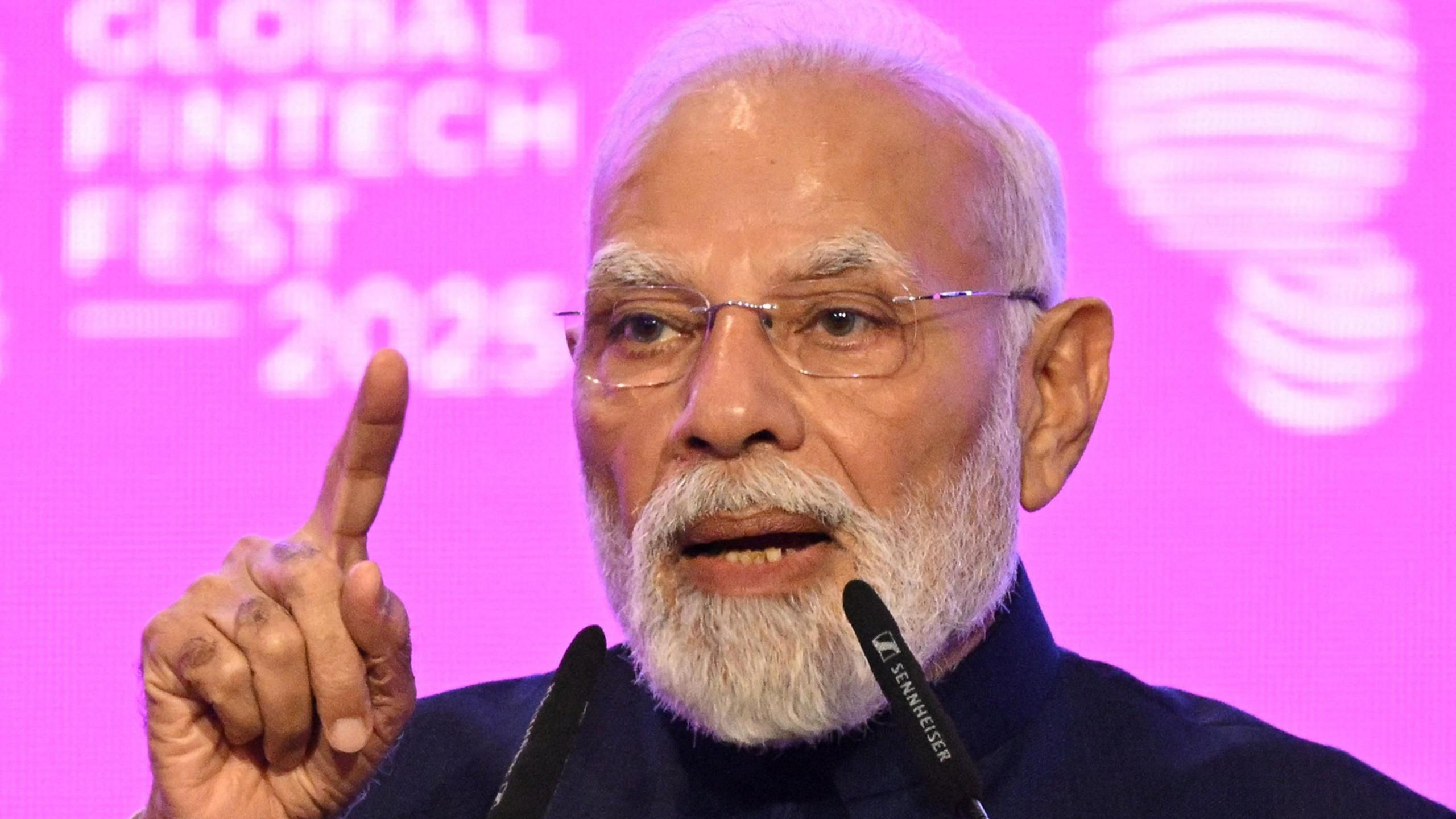
In a state often regarded as a cultural bastion of non-vegetarianism, the BJP's alignment with more austere dietary norms presents a conundrum. While Prime Minister Narendra Modi’s party has occasionally signaled a preference for vegetarianism, the embrace of fish in campaigning aims to reaffirm ties with the electorate’s culinary practices. Rakesh Singh, another BJP politician, parades with a fish, reinforcing his stance against the ruling Trinamool Congress, which warns that the BJP threatens Bengal's way of life.
Chief Minister Mamata Banerjee has been vocal in claiming that the BJP's dietary regulations intrude upon Bengal’s cultural essence. At a campaign meeting, she asked rhetorically, 'What will they eat if not fish, meat, or eggs?' This invocation of dietary freedoms exposes the broader cultural implications at play in the elections. Banerjee's defenses are not merely about food; they involve a fight for recognition of Bengal’s culinary heritage against allegations of outside intrusion.
The BJP counters this narrative by centering their campaign around cultural independence. Leaders have denied any intentions to restrict fish consumption, flipping Banerjee’s accusations back to her, illustrating that food debates are primarily about power dynamics.
As the West Bengal assembly elections draw near, the political theatrics surrounding fish continue to unfold, signaling a complex interplay of identity, culture, and economics in a region where food symbolizes much more than nourishment. The outcome remains uncertain, but fish, as a political prop, reflects deeper cultural tensions within the society.