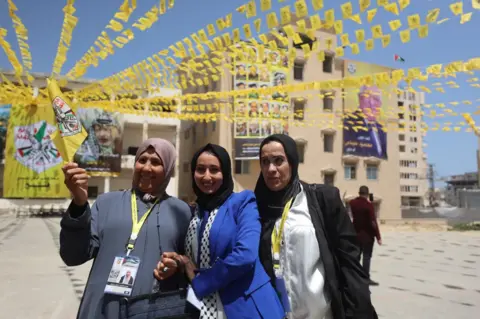
Top leaders of the main Palestinian political faction, Fatah, gathered in Ramallah for their first major conference in a decade, amid growing public dissatisfaction with President Mahmoud Abbas. This conference not only marks a pivotal moment for the party but also reflects the evolving sentiments of ordinary Palestinians regarding their leadership.
President Mahmoud Abbas, who has ruled by decree, was re-elected as head of Fatah. Leading figures at the conference have promised unity and a political refresh, despite a backdrop of discontent expressed by many Palestinians who criticized the meeting as a showcase of stagnation.
Public opinion polls reveal a profound dissatisfaction with Abbas, with many demanding his resignation, and concerns have been raised about his eldest son running for a senior party position for the first time. Abbas addressed the conference with intentions to renew commitments to reform, including plans for presidential and parliamentary elections, the first in 20 years, though timelines remain unspecified.
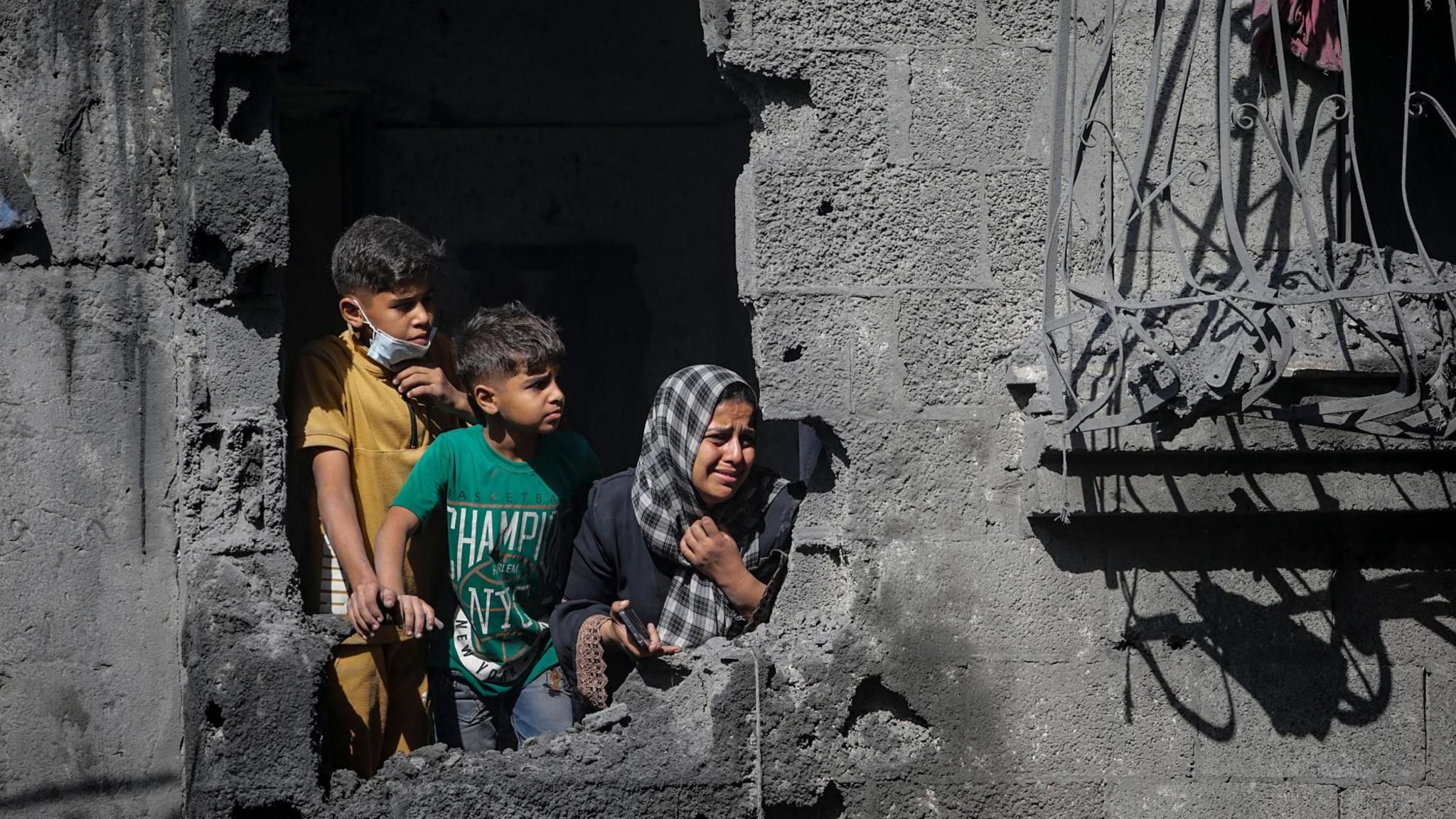
Under pressure from various international stakeholders to reform and hold elections, the Palestinian Authority (PA) faces claims of corruption and declining legitimacy. The Palestinian situation has drastically shifted since the previous general conference in 2016, marked by violent conflicts and humanitarian crises following a deadly Hamas-led assault on Israel.
As the conference progresses, Fatah leaders face the dual challenge of addressing significant internal divisions while seeking broader support from the Palestinian populace. Despite aspirations for renewal and reform, skepticism remains regarding whether the PA can genuinely meet the demands of its constituents, especially as it grapples with economic difficulties and international isolation.