Equatorial Guinea’s Entire Cabinet Resigns Over Failure to Meet Goals
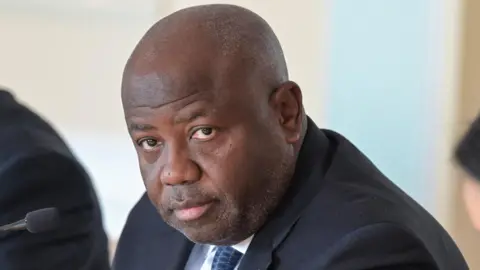
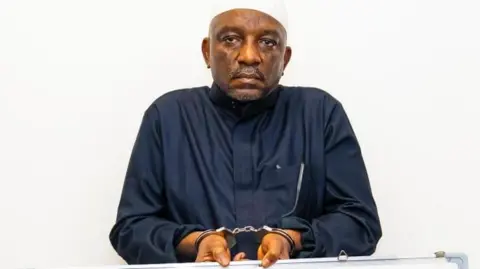
In a shocking turn of events, the government of Equatorial Guinea has resigned after the Vice‑President Teodoro Nguema Obiang Mangue warned that the cabinet had achieved only 10% of its projected targets.
The announcement came after the newly appointed prime minister Manuel Osa Nsue Nsua presented the resignation of every member of the cabinet. The Vice‑President noted that the incomplete execution of policies was “clearly insufficient in relation to the expectations and commitments undertaken.”
A statement from the ruling Democratic Party of Equatorial Guinea (PDGE) echoed these concerns, naming the government guilty of “misuse of state resources for personal interests” and of “stagnation in the implementation of development projects.” The party also criticised the administration’s failure to diversify the economy beyond petroleum.
President Teodoro Obiang, the world’s longest‑serving leader, has ruled the oil‑rich West African nation since 1979. He has been noted for placing family members in key positions. Historically, the country’s economy has been dominated by oil and gas, yet most of its 1.8 million population remains entrenched in poverty. The new government will likely need to tackle the decline in oil production and focus on agricultural development to reduce imports.
According to the PDGE, a fresh cabinet is expected to be appointed soon, with a renewed emphasis on responsible public management, transparency, and economic diversification. Analysts suggest that the timing of the resignation could signal internal power shifts or a strategic response to mounting public criticism.
With the entire cabinet stepping down, Equatorial Guinea now faces an uncertain transition. The international community, local business leaders, and citizens alike will watch closely to see whether the new administration can reverse the country’s economic trajectory and restore public trust.
For more on Equatorial Guinea and broader African affairs, follow us on Twitter at @BBCAfrica or visit our website.