Trump Signals Sunday Signing of US‑Iran Deal, but Tehran Flags Uncertainty
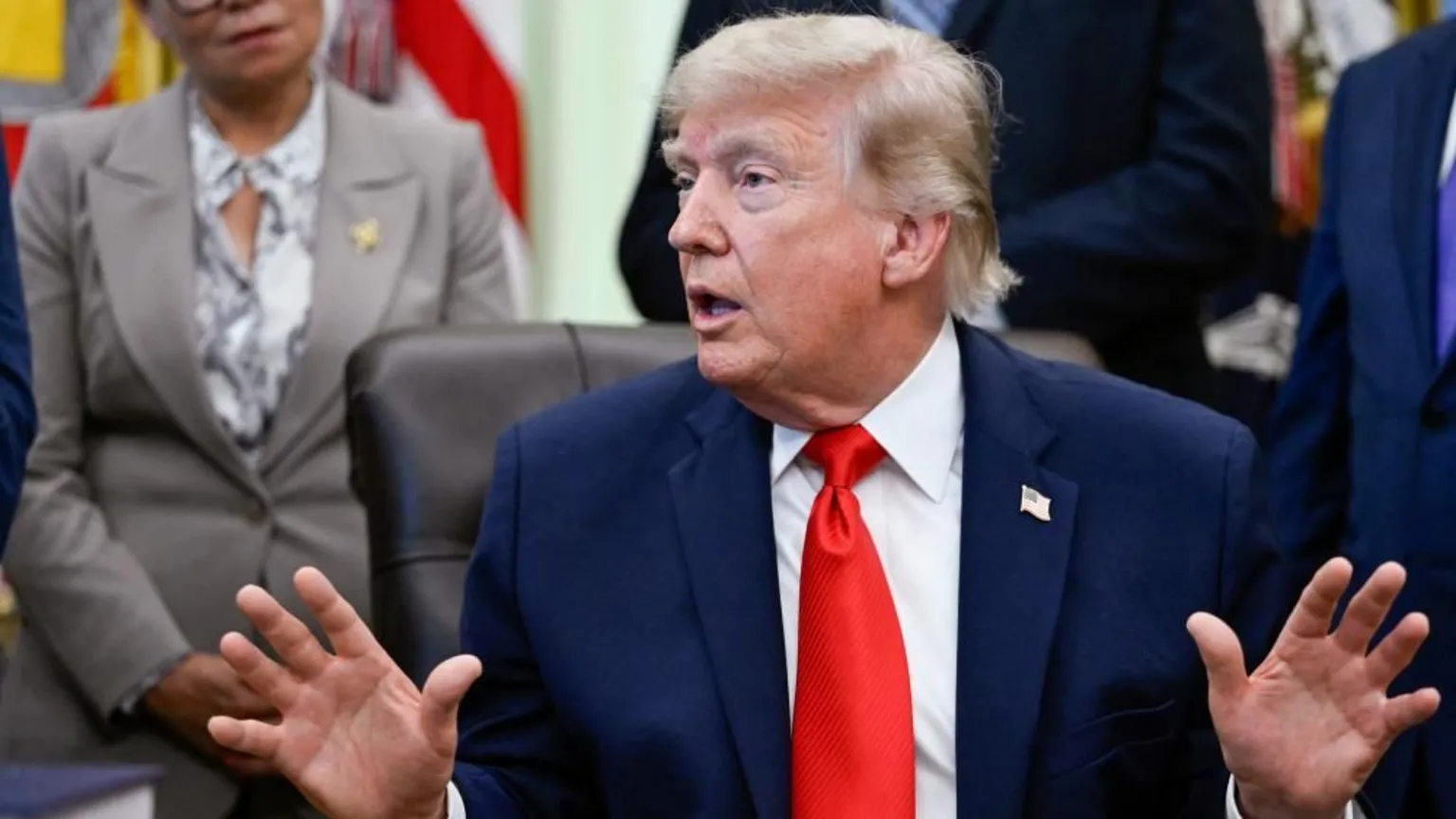
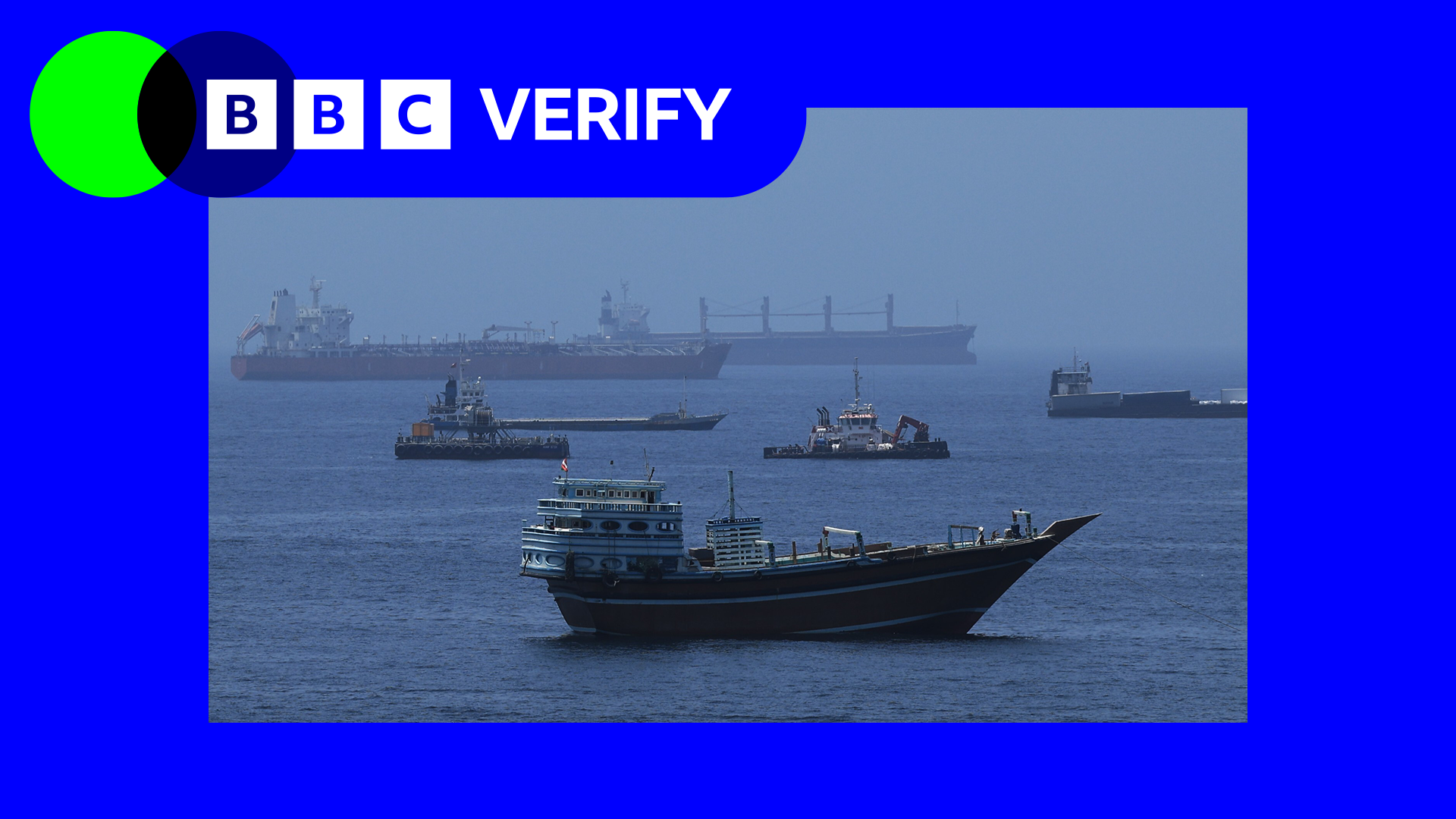
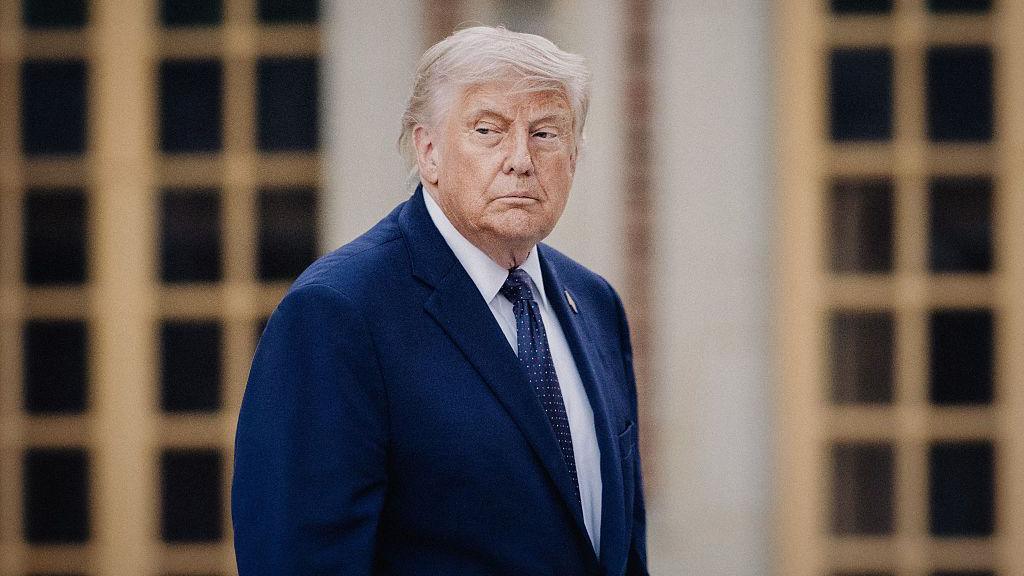
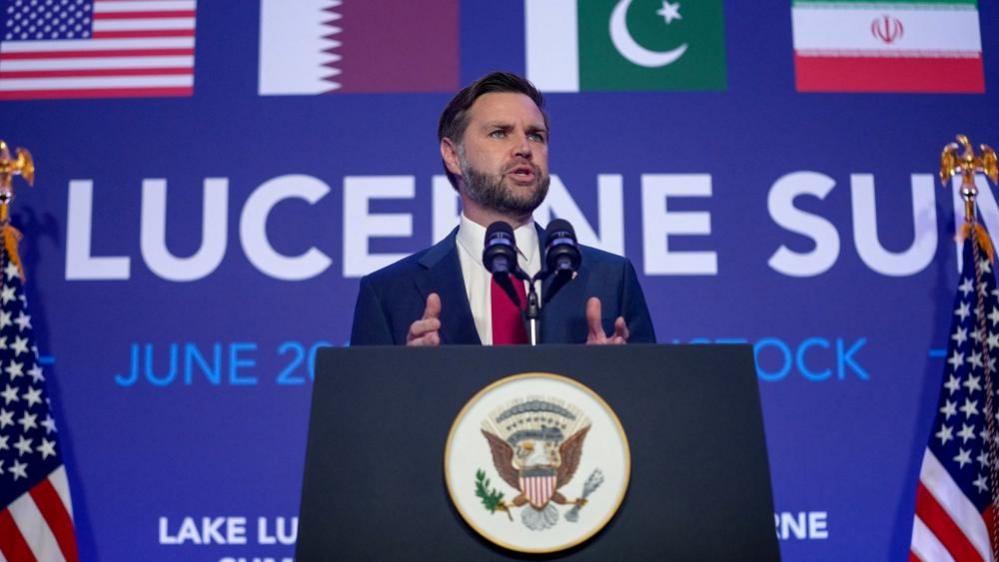
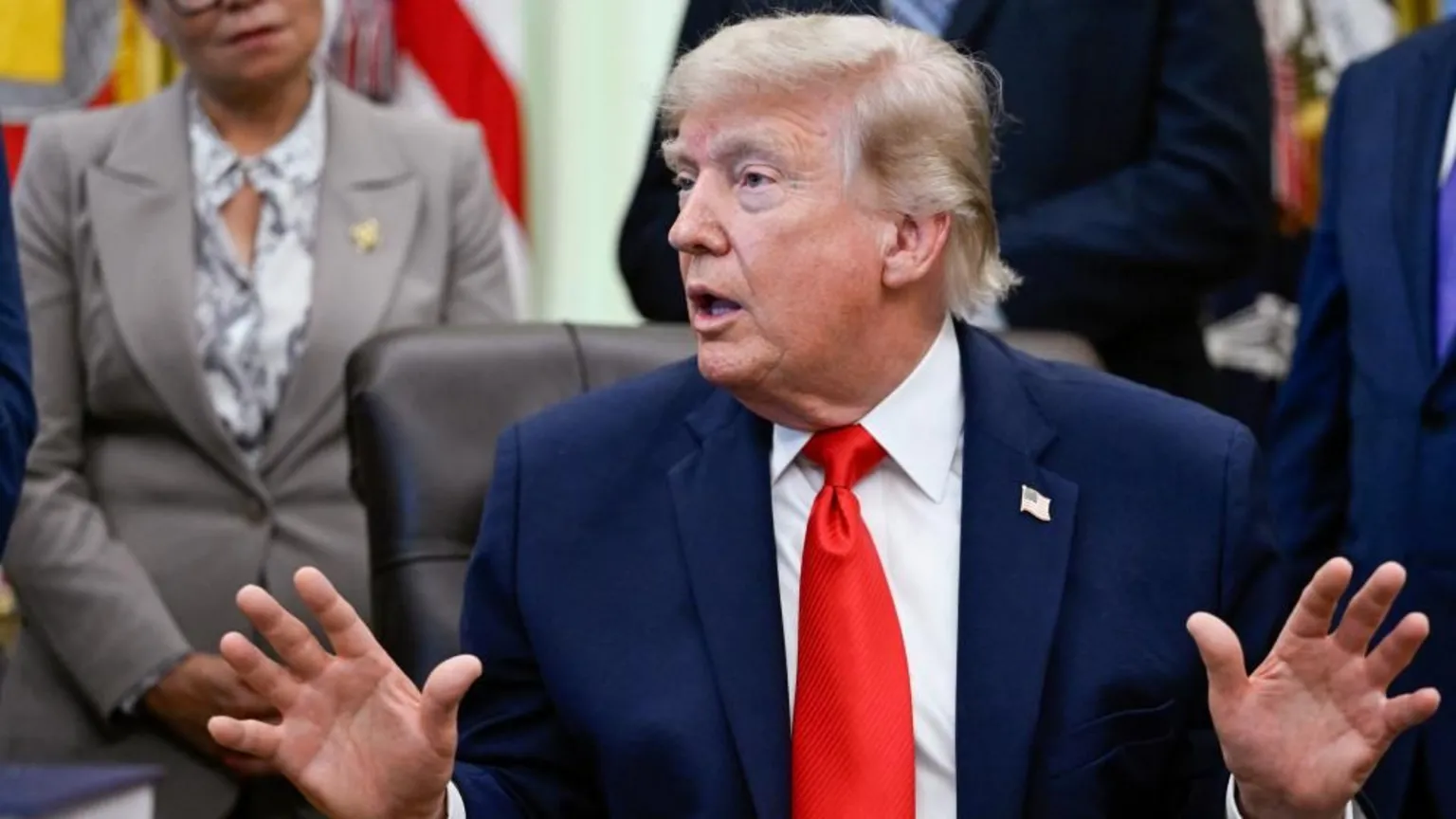
Former President Donald Trump posted that a US‑Iran memorandum of understanding will be signed this Sunday, a move that could open the Strait of Hormuz and lift U.S. sanctions on Iran. He said the deal would ensure the strait is open to all ships following the agreement.
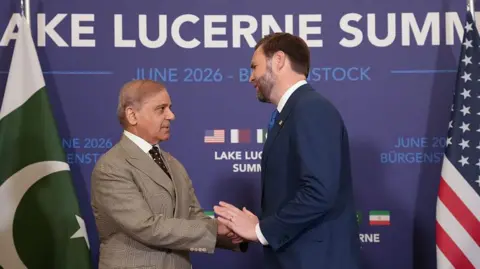
Pakistani officials, the country currently acting as a neutral mediator, said the finalisation was expected within 24 hours and that electronic signing would soon be prepared. Pakistani Prime Minister Shehbaz Sharif added that technical‑level talks would take place next week should the deal be executed this weekend.
Iranian Foreign Ministry spokesman Esmaeil Baghaei urged caution, stating that the exact time of the memorandum’s signing was uncertain, even though it would not happen 'tomorrow'. He added that Tehran would decide on the date once all parties agreed.
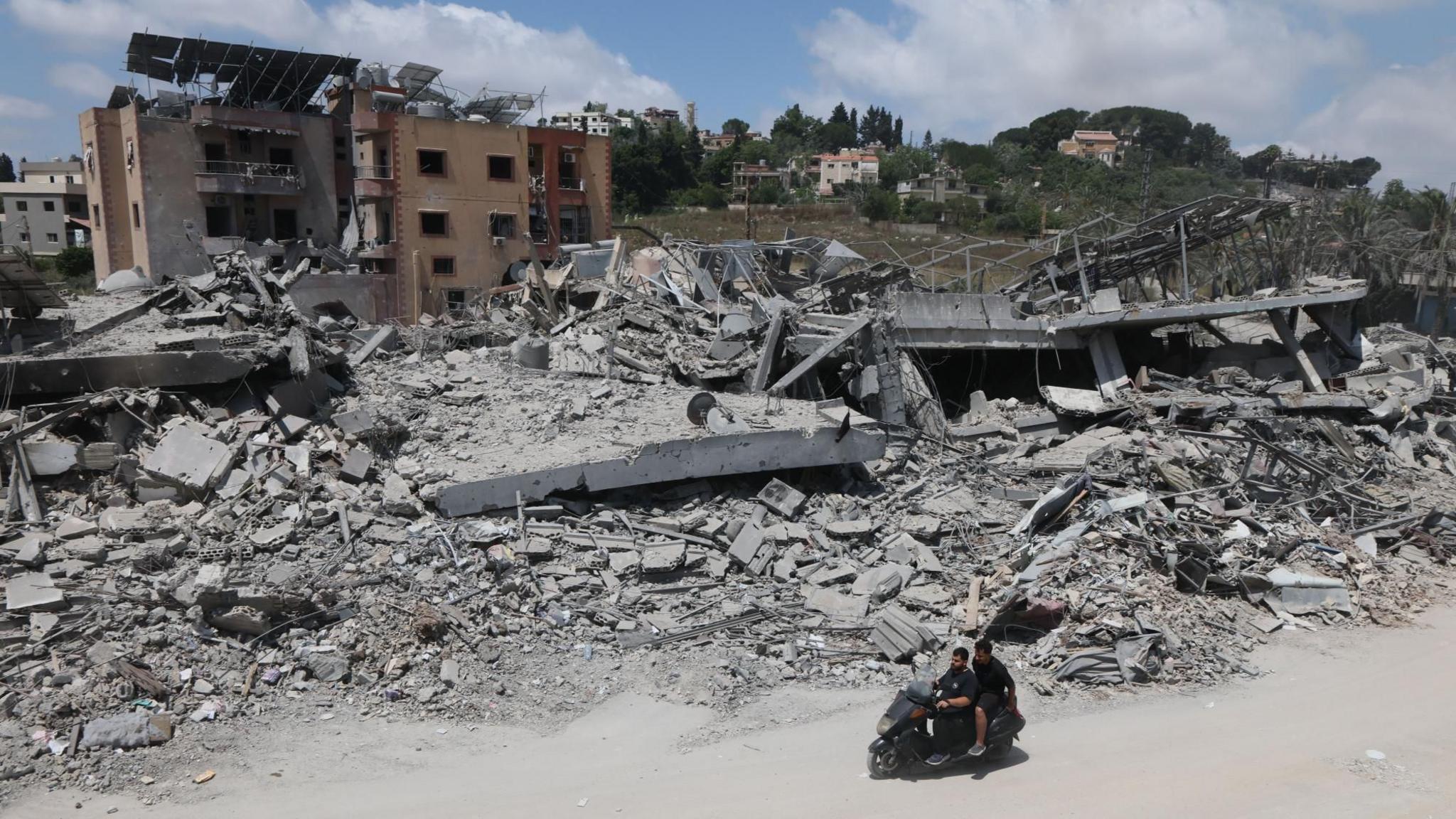
In a statement to state TV, Iran’s foreign minister Seyed Abbas Araghchi said the agreement had been reached and highlighted its key points: reopening the Strait of Hormuz, lifting the U.S. blockade on Iranian ports and an agreement to end the conflict between Israel and Hezbollah in Lebanon. He noted that talks on Iran’s nuclear programme would start later.
U.S. officials confirmed that economic benefits for Iran would hinge on Tehran fulfilling its obligations. While some reports suggested Lebanon might not be included in the deal, Iran insisted it was essential. The long‑standing war that began with U.S. and Israeli strikes on 28 February, prompted Iranian retaliation across the Gulf. This conflict brought the Strait of Hormuz to a halt and escalated tensions in the region.
Should the memorandum be signed, markets will likely react swiftly as shipping routes are cleared and sanctions are lifted. Analysts warn that a sudden change in the strait’s status could affect global oil supplies and trigger a review of regional security dynamics. The upcoming technical talks, if the deal proceeds, will shape how the U.S., Iran, Pakistan, and other stakeholders navigate the post‑deal landscape.