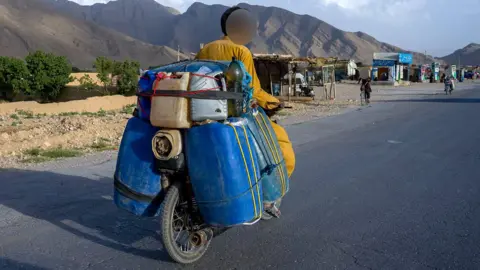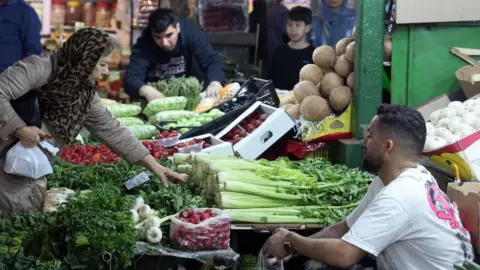
In the Ghor province of Afghanistan, fathers are confronted with a heart-wrenching choice – selling their daughters to ensure the survival of their other children. As the sun rises, lines of men gather in dusty squares, hoping for meager work that may provide just enough to stave off hunger for one more day.
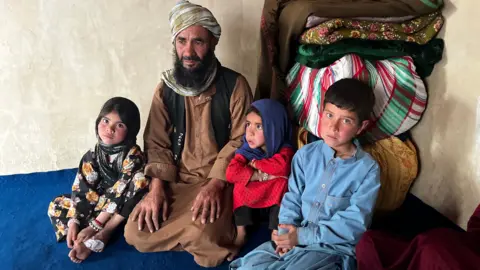
With an unemployment crisis gripping the country, fathers like Juma Khan are struggling to find work. My children went to bed hungry three nights in a row, he says, expressing the desperate measures they must consider. In Afghanistan, three in four individuals cannot meet their basic needs, as the economic collapse has depleted aid and worsened healthcare access.
According to the UN, many families are faced with starvation. I’m willing to sell my daughters, admits Abdul Rashid Azimi, revealing the gut-wrenching realities faced by desperate parents. If I sell one daughter, I could feed the rest of my children for at least four years. Cultural norms further complicate this issue, as daughters are seen as less valuable than sons when it comes to financial prospects.
Shocking narratives emerge from these communities, with fathers like Saeed Ahmad sharing how selling his daughter became a matter of life and death. Forced by the inability to afford surgery, he made the heartbreaking choice for the well-being of his five-year-old daughter. This reflects the growing trend of underage marriages, further fueled by the Taliban's restrictions on female education.
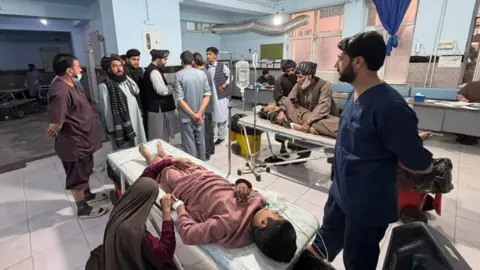
With deteriorating living conditions and harsh governmental policies, many families are left with no options as they confront hunger and loss. Meanwhile, the healthcare system struggles to combat rising infant mortality due to malnutrition, leaving nurses like Fatima Husseini desperate for resources.
As the struggle for survival intensifies, the conditions in Ghor province serve as a haunting reminder of the lengths to which desperate families will go, illuminating a humanitarian crisis that continues to deepen in Afghanistan.