In brief
Iran is experiencing a significant wave of job losses attributed to the ongoing conflict with the US and Israel, with an estimated two million people affected. The war has led to increased inflation and diminished consumer spending. Factors such as internet blackouts and strikes on key industries are exacerbating the economic crisis, with the potential for further layoffs threatening the livelihoods of millions.
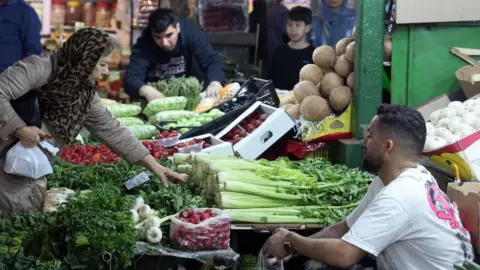
Iran has been hit by a massive wave of redundancies, both directly and indirectly as a result of the conflict with the US and Israel. Its Deputy Work and Social Security Minister, Gholamhossein Mohammadi, stated that two million people had lost their jobs because of the war. The widespread layoffs have turned into a hot topic among Iranians on social media, where officials describe the situation as a mere balancing of the workforce.The effects extend beyond factories directly hit by air strikes, affecting other sectors such as retail, manufacturing, and even digital businesses. Social media users have shared observations about decreased traffic and empty metros, indicating a stark reduction in economic activity. Consumer spending has plummeted as citizens prioritize essentials, adversely affecting sectors like tourism and hospitality.An internet blackout imposed by the Iranian authorities, justified as a security measure against espionage and cyber attacks, has further strained the economy. This blackout has particularly impacted female entrepreneurs who rely on platforms like Instagram to connect with customers. With the costs of this online shutdown estimated to exceed $1.8 billion, the financial ramifications deepen.The conflict has led to direct job loss in significant sectors, with air strikes targeted at key petrochemical plants and steel manufacturers. Reports indicate mass layoffs in associated industries, including a severe reduction in Iran's automotive sector. Manufacturing firms struggle to obtain materials, hindering production and leading to widespread job insecurity.The government has rolled out a loan scheme aimed at small businesses, but the terms may further burden struggling enterprises. With inflation surpassing 50% and expected to rise, the ongoing crisis poses a formidable challenge for the Iranian populace. If hostilities persist or international sanctions remain, the economic future of millions hangs in jeopardy.