Israel’s Netanyahu Faces Political Crisis Over Iran Ceasefire Deal
The United‑States‑brokered ceasefire with Iran, announced only weeks before Israel’s next elections, has turned the most powerful Israeli prime minister into an ideological paradox. The agreement appears to strike at three cornerstones of Benjamin Netanyahu’s political platform: the belief that effective deterrence requires a proactive, even pre‑emptive, military posture; the narrative that Israel’s security is safeguarded through close ties to Washington; and the claim that Israel can outmaneuver rivals in the region.
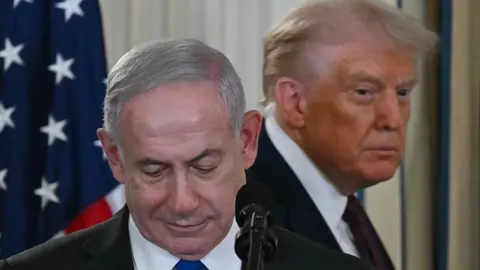
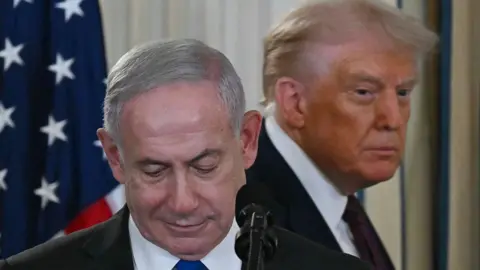
AFP via Getty Images
“Either a direct and destructive confrontation with our greatest ally, or a submissive surrender of Israeli interests,” characterised Yair Lapid’s Knesset speech on Monday, summarising the two options Netanyahu now faces. Lapid’s warning is reinforced by former intelligence officer Sima Shine, who told journalists: “By allowing Iran to decide what will happen in Lebanon, the US is giving Iran the possibility to continue supporting Hezbollah and ensuring they remain a major act in Lebanese politics.”
Across the political spectrum in Israel, opponents have seized the moment. Right‑wing national security minister Itamar Ben‑Gvir publicly declared: "Our agreement with the US does not bind us; we are not partners to this agreement that does not ensure our security." He has refused to recognize the ceasefire, arguing that it leaves Israel exposed.
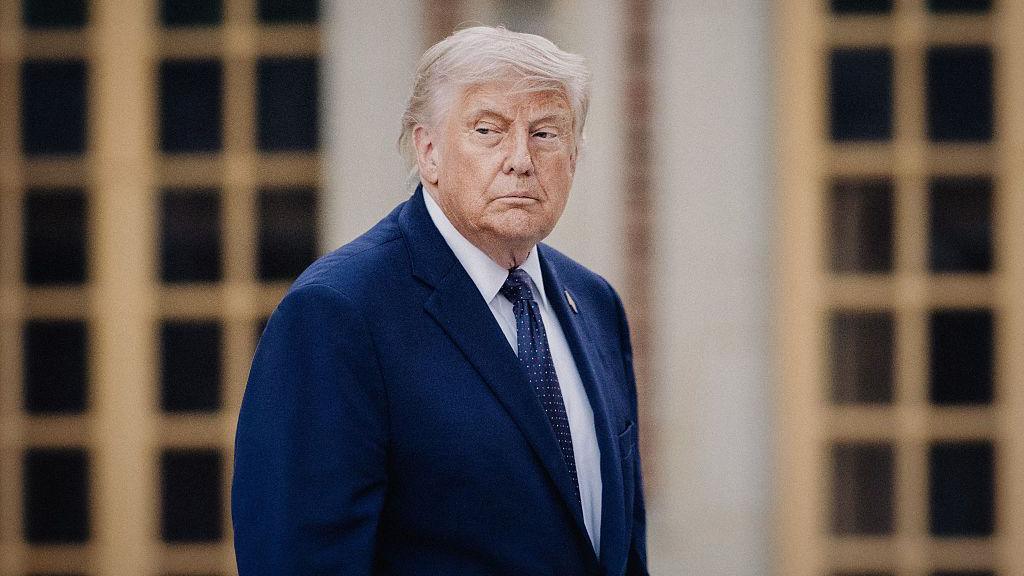
The silence from Prime Minister Netanyahu has been interpreted by many as a sign of indecision. While analysts note that it was a deliberate strategic pause, he has avoided public statements on the deal’s implications amid the lead‑up to the October election deadline. In the absence of a clear diplomatic Blueprint, he faces an unprecedented threat from both within his coalition and from Washington itself.
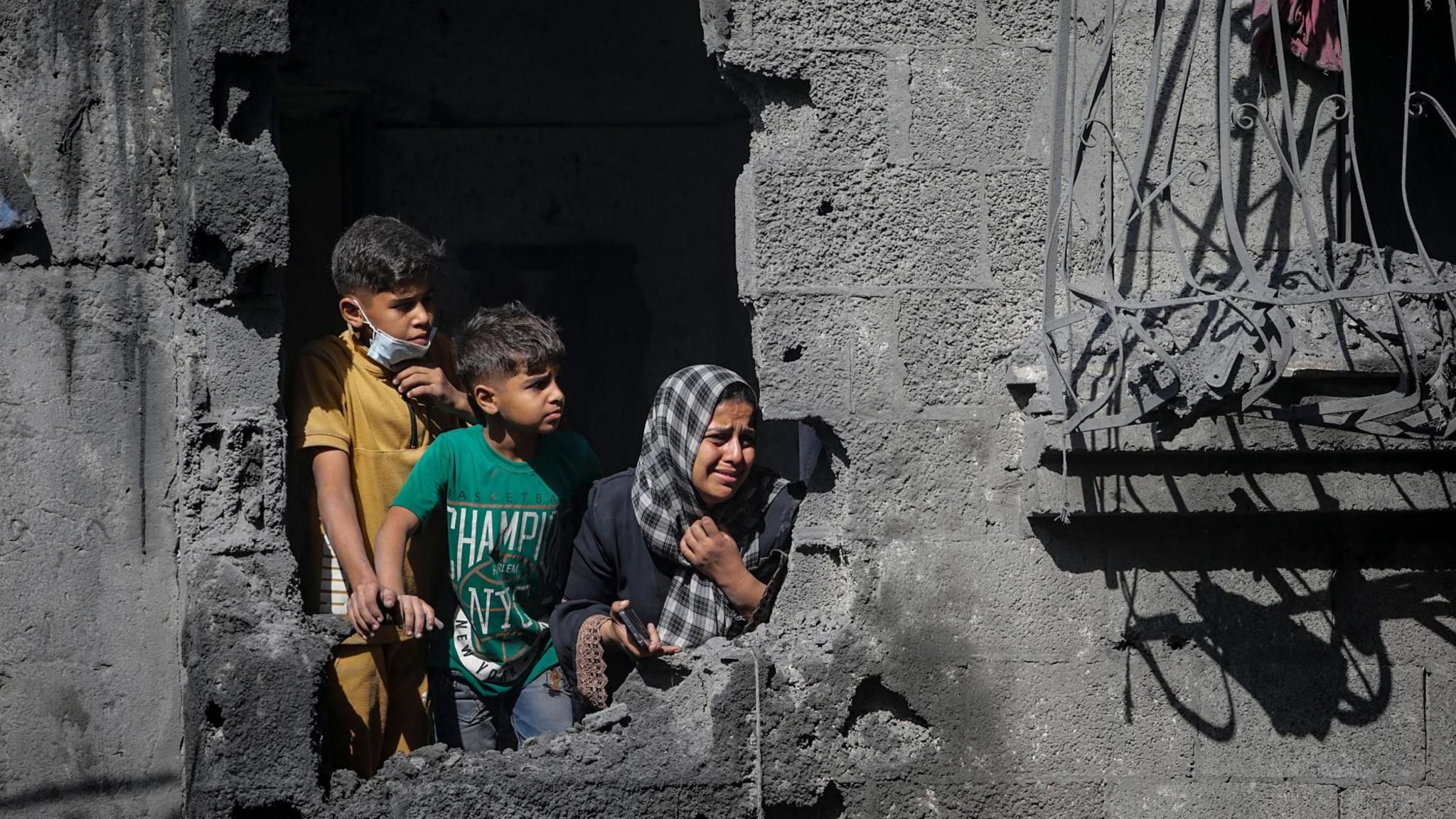
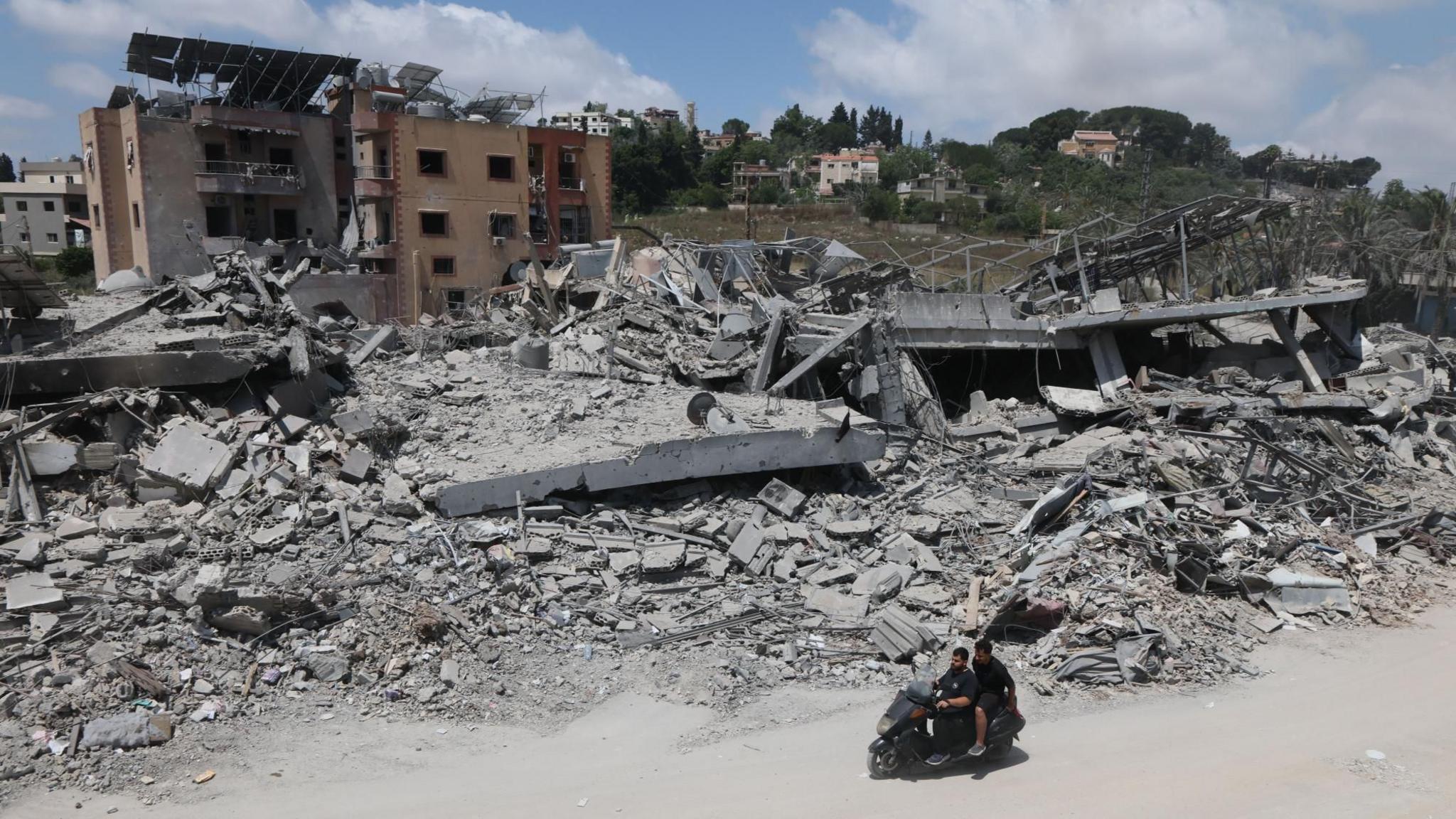
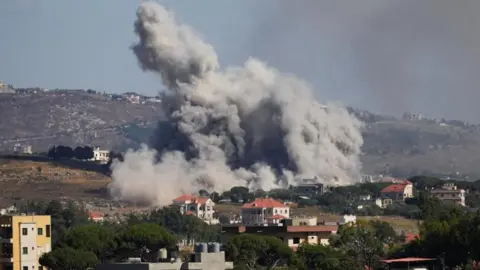
The broader security picture has barely improved. Israel’s forces still occupy large areas of Gaza and Lebanon, draining reserves and sustaining a military posture that has been popular domestically but is unsustainable. The inability to mop up Iran’s influence leaves Hamas in pockets of Gaza, complicating the peace‑process that is still stalled eight months after the ceasefire.
Military chiefs such as Danny Citrinowicz of the Institute for National Security Studies argue that Israel must set more realistic priorities. He warned that any move perceived by Washington as undermining the ceasefire would draw a heavy U.S. counter‑blow, a statement that mirrors the sentiments of senior U.S. officials.
Ultimately, the Iran deal may have derailed Netanyahu’s former narrative—“the best protection from regional threats”—and placed him in a choice between confrontation with allies and compromising national security interests. The decision will be decided in the Knesset, but the political storm could shape Israel’s future for years to come.