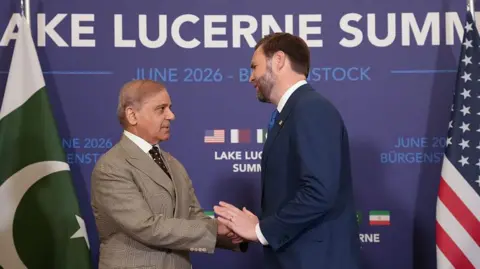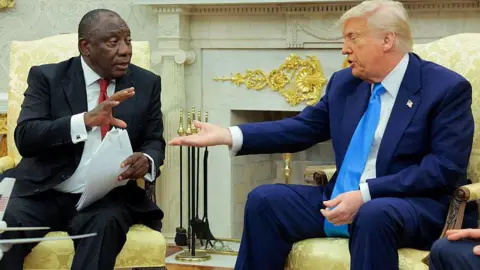
The 2026 FIFA World Cup is unfolding as an arena where geopolitics, economics and football intersect in unprecedented ways. Co‑hosted by the United States, Canada and Mexico, the event runs in parallel with the US–Canada‑Mexico trade war over the USMCA agreement and a tense diplomatic landscape that includes conflict between the US and Iran.
Dynamic pricing has become a headline feature, with tickets for high‑profile matches now reaching five‑figure dollar amounts. A $1,000 ticket is standard for attractive group games while “dead‑rubber” fixtures still command premium prices. This structure mirrors the NFL’s revenue‑maximising model, where stadiums built for major events often feature luxury suites and variable pricing tiers.
FIFA’s financial plan is to direct the bulk of ticketing income into its reserve, promising to redistribute funds to developing football associations globally. However, the model leaves host cities and stadium owners with minimal share of the revenue, while they shoulder security and infrastructure costs that have been hard‑pressed by previous host nations.
Fans face an added squeeze: travel expenses to stadiums are inflated, with New Jersey’s train fare sometimes listed at $98 per return trip, while parking rates can reach $225. In contrast, previous host countries provided free or subsidised transport for ticket holders.
The economic ripple extends beyond ticket sales. The K‑shaped model, seen in the US economy where the richest 10% drive the majority of spending, is reflected in stadium pricing: the most passionate and affordable fans are locked out by steep costs. Critics question whether this will leave stadiums under‑filled or drive out the grassroots atmosphere that defined earlier World Cups.
The 2026 edition represents a high‑stakes bet on commercialisation and profit generation. Its outcome may pave the way for a new era in sporting event economics, but it also risks alienating the very supporters who bring football home.