Middle East in Turmoil: Ceasefire Talks Amidst War and Reshuffling
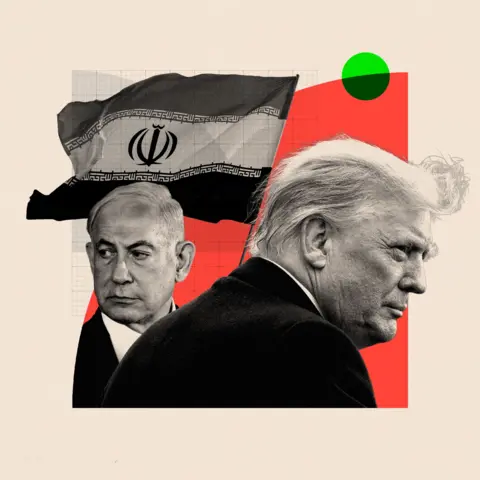
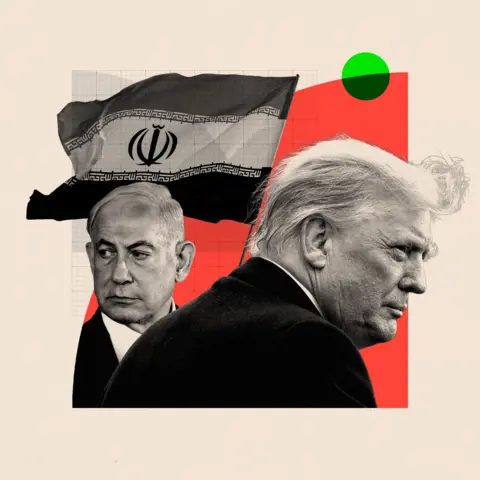
As ceasefire talks unfold between the United States and Iran, tensions in the Middle East continue to escalate. The best hope for halting hostilities lies in the mutual interests of both superpowers, driving both to seek a negotiated end to the conflict. However, significant hurdles remain, particularly a lack of trust and diverging goals.
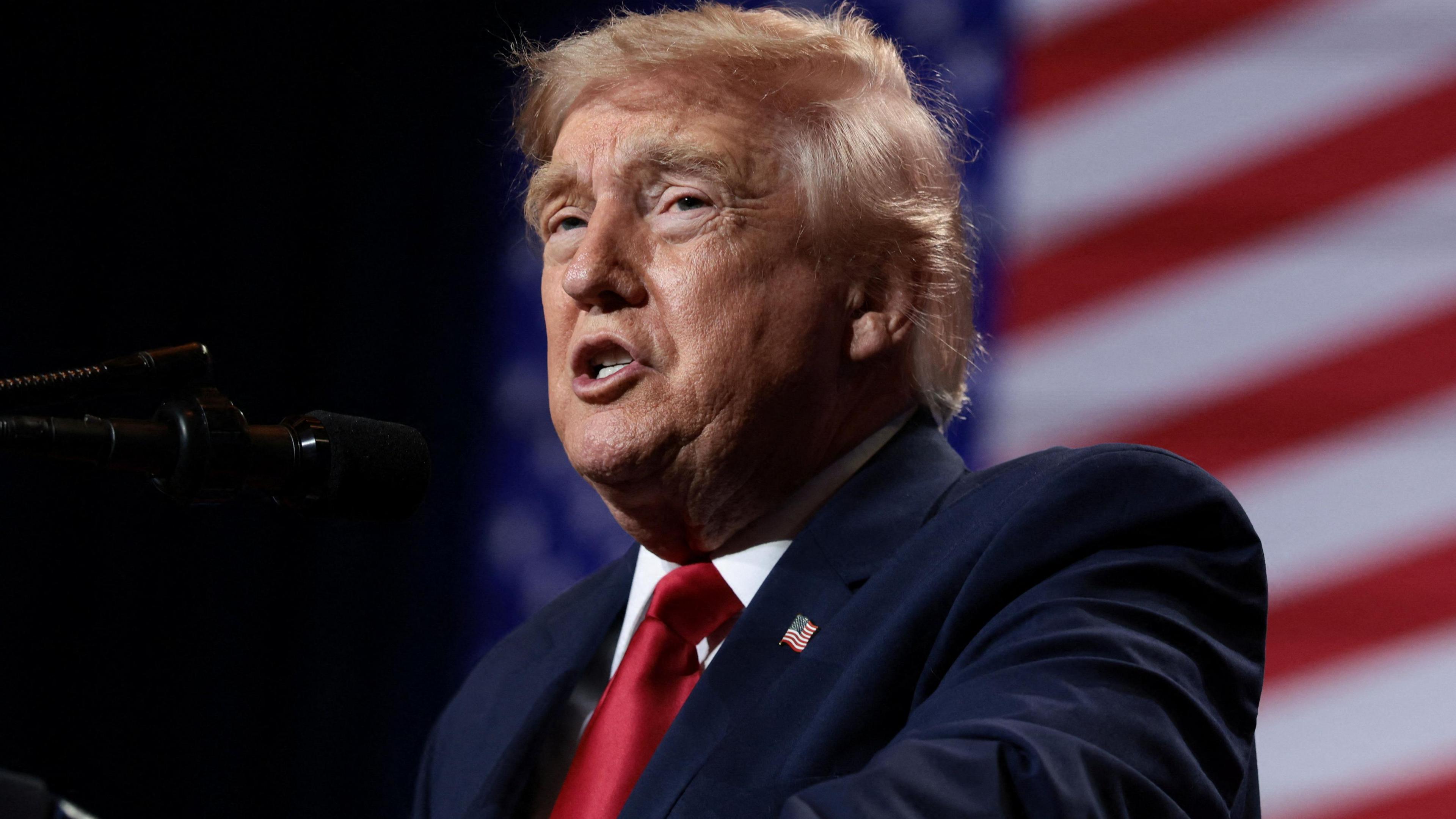
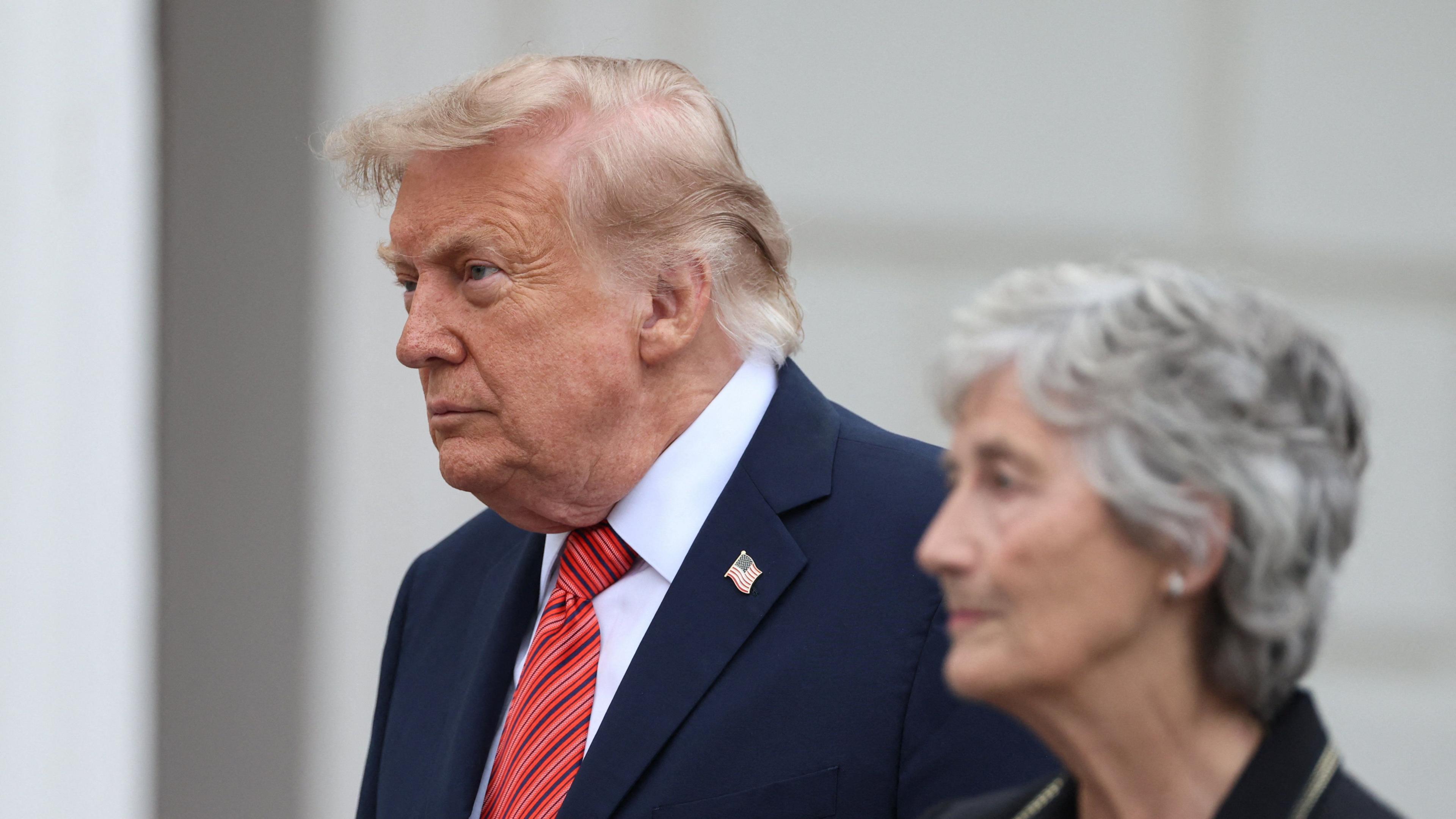
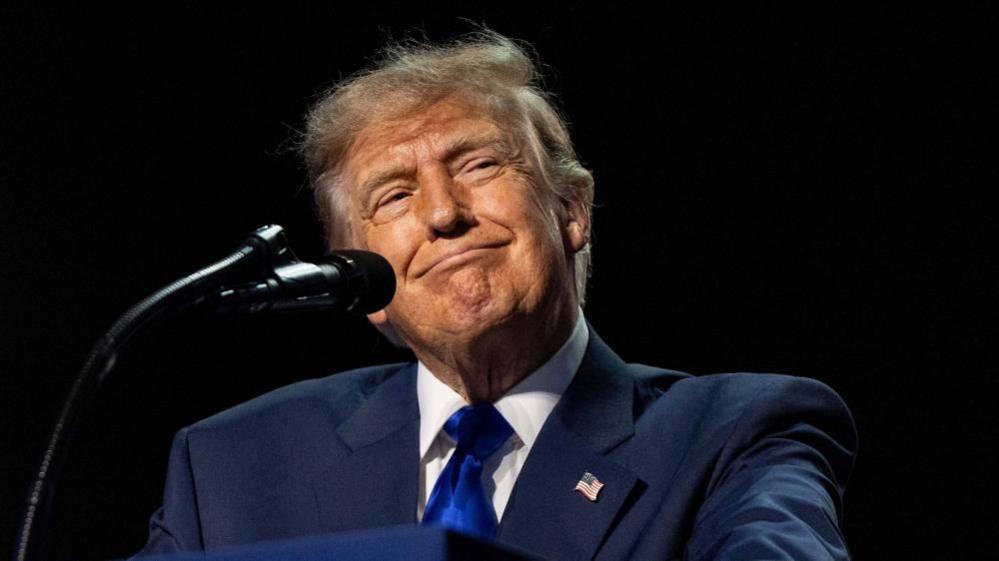
In the wake of a brutal military campaign, President Donald Trump is poised to declare victory but is also seeking an exit strategy as political pressures mount with upcoming international engagements. Concurrently, Iran faces profound economic devastation and must navigate the negotiations to stabilize its regime and restore its position on the global stage.
However, the ceasefire talks, mediated by Pakistan, are fraught with complications as each side's preconditions and terms sharply differ. Trump’s proposed agreement has been critiqued as leaning towards capitulation, while Iran's demands for reparations and control of the Strait of Hormuz challenge the possibility of a sustainable truce.
No victory parade
Operatives from both nations are engaged in a difficult chess game where further military actions have already taken place against Lebanon, complicating the prospects of peaceful negotiations. As the ceasefire is proclaimed, both nations wrestle with conflicting narratives—who holds the victory, and under what terms peace can realistically be achieved?
The ongoing violence, particularly the airstrikes over Beirut that have inflicted substantial civilian casualties, underscores a troubling reality: the weaponization of diplomacy amid destruction. As this conflict continues to reshape the geopolitical landscape, the American allies in the region, like the Gulf monarchies, reassess their relationships with the U.S., eyeing future security strategies.
Ultimately, as global powers reposition themselves and the remnants of trust hang in a precarious balance, the outcome of these negotiations could alter the very fabric of the Middle Eastern order. The closure of critical shipping routes like the Strait of Hormuz adds urgency to the discussions, emphasizing the stakes involved for both regional and global economies.
The people caught in the crossfire remain hopeful for an end to hostilities but face an uncertain future, trapped behind a regime that seeks to tighten its grip amidst chaos. As this ongoing saga plays out, the world watches with bated breath, waiting to see if peace can prevail amidst the rubble.