MADISON, Wisc. (OnPointInfo) — The starkest critique of Republican setbacks in recent elections comes from within the party itself.
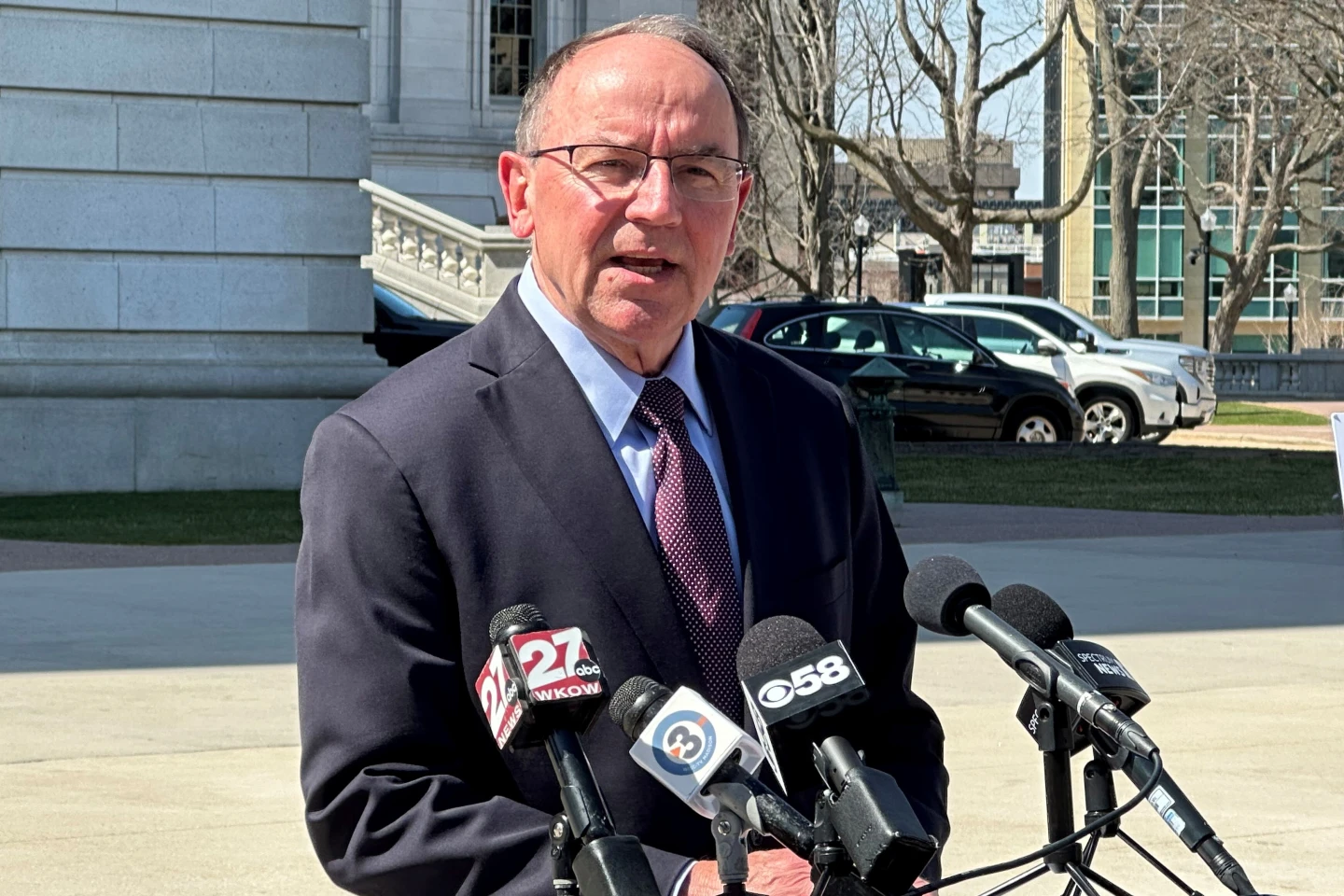
“We got our butts kicked,” stated U.S. Rep. Tom Tiffany, who is currently campaigning for governor.
His remark pointed to Democratic triumphs in the Wisconsin Supreme Court and the mayor's race in Waukesha, among other locations. The discontent extended to the state of Georgia, where the GOP candidate to succeed Marjorie Taylor Greene won with a margin significantly slimmer than in the past.
These results bolster an evolving narrative of Democratic strength as they gear up for the November midterms, which will determine control of the U.S. House, Senate, and various state governments.
Analysis from Democratic strategist Jared Leopold noted, “From rural to urban areas, Democrats are showing strong performances across the board. This signals clear momentum as we approach November.”
Republican Response
Despite the defeats, some Republicans like Georgia strategist Stephen Lawson contended there is no cause for alarm, emphasizing that fundraising remains robust. “The sky is not falling,” Lawson remarked, yet he acknowledged a need to scrutinize the election results closely.
Moreover, some party officials viewed these results as a wake-up call, referring to them as a “red alarm for Republicans,” with implications for future electoral strategies.
Shifting Voter Sentiment
The elections in Wisconsin featured a significant 20-point win by Democrats in a key judicial election, which some believe signals increasing dissatisfaction with the GOP among voters.
In Georgia, the Republican Clay Fuller won by just 12 points to fill Greene’s seat, a stark contrast to the previous election where Greene triumphed by a commanding 29-point margin.
Experts are carefully watching voter sentiment, especially in traditionally Republican strongholds as anxiety over national politics permeates local issues.
In light of recent events, Democratic leaders like Milwaukee County Executive David Crowley caution that voter dissatisfaction doesn't translate directly to Democratic success, urging candidates to focus on addressing core voter concerns.
As Tiffany cautioned against overanalyzing individual results, the fate of the Republican Party may hinge on its adaptability and responsiveness to the evolving political landscape as the November elections draw near.