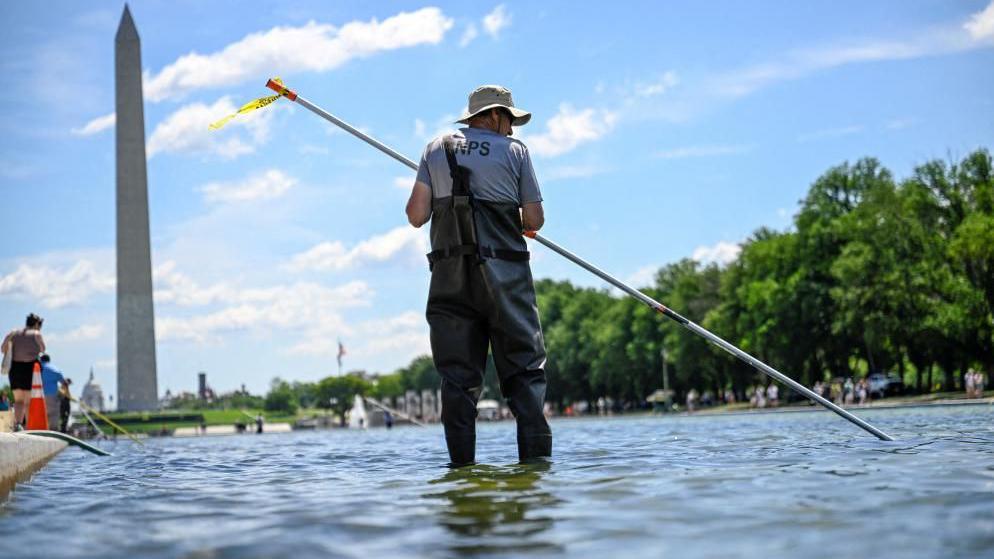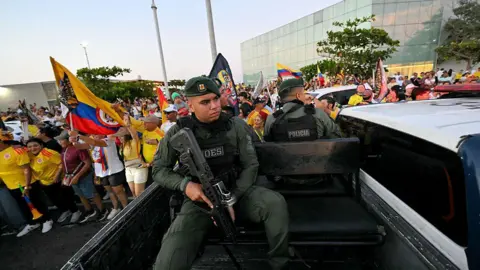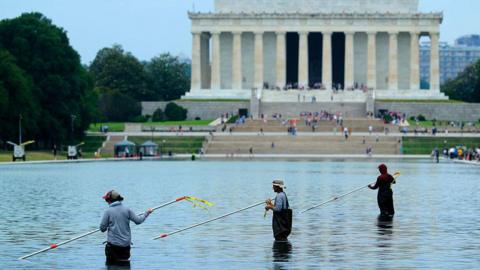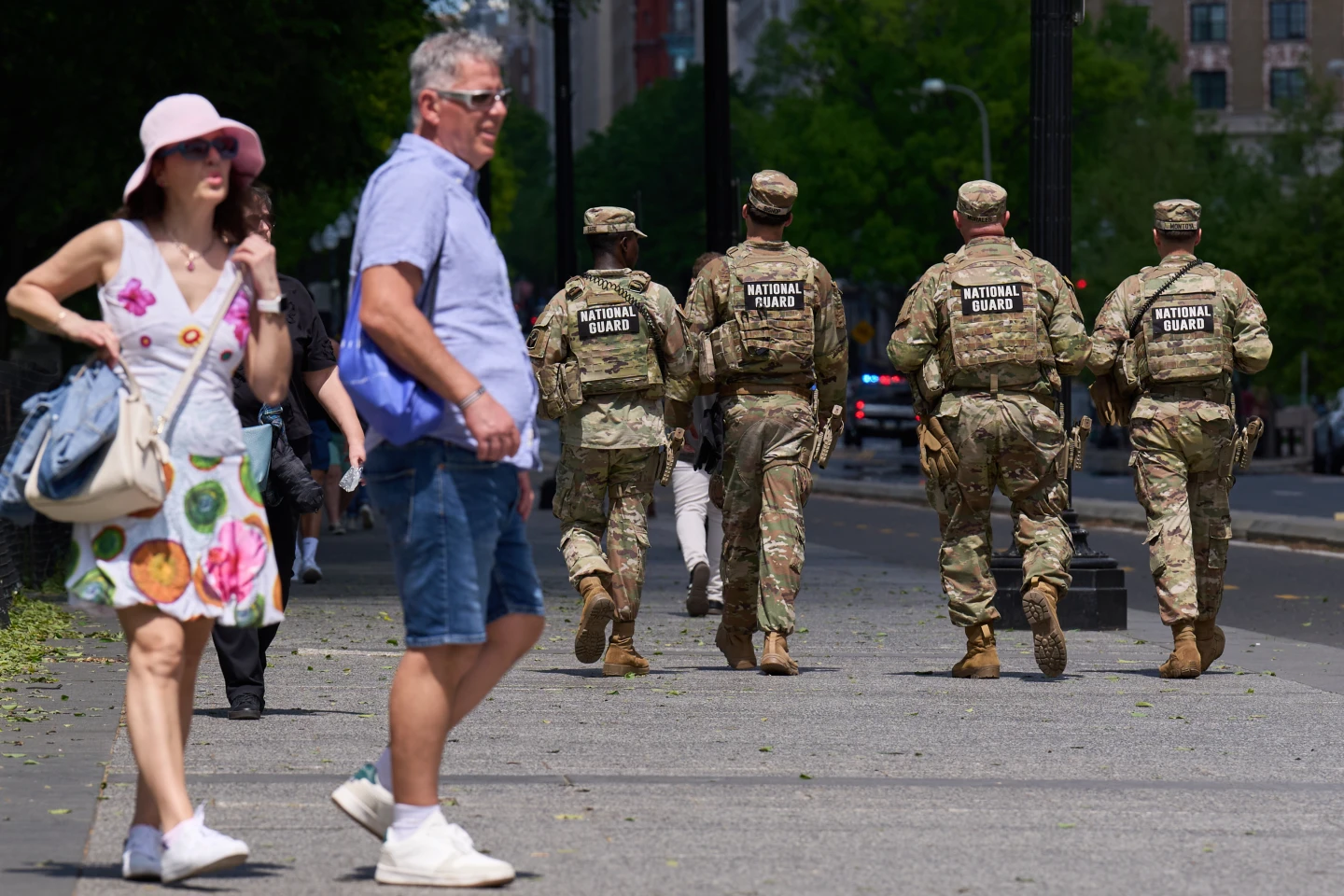
WASHINGTON (AP) — The annual cherry blossom festival in Washington D.C. brings in more than a million visitors to the Tidal Basin, but among the crowd this year were soldiers dressed in camouflage and bearing arms. This visible military presence is a continuation of an order that has seen over 2,500 National Guard troops deployed to the nation’s capital for nearly a year.
After former President Trump announced a crime emergency in August and mobilized the National Guard, their presence has become a regular sight on Washington's streets. Unlike deployments in cities such as California and Illinois, where troop numbers have either decreased or paused, Washington D.C.'s guard remains active, tasked with various duties including patrolling neighborhoods, tourist attractions, and assisting local police. As pivotal elections approach, the ongoing deployment rarely surfaces in discussions among city officials or candidates. This silence may reflect an understanding of local officials' limited power to influence a federal decision.
Phil Mendelson, chairman of the D.C. Council, notes that the cost to taxpayers exceeds a million dollars daily, stating, the presence of armed soldiers on American streets is not a good look. Despite these concerns, the presence has hardly been addressed in recent political discourse, overshadowed by pressing issues such as economic recovery and housing affordability.
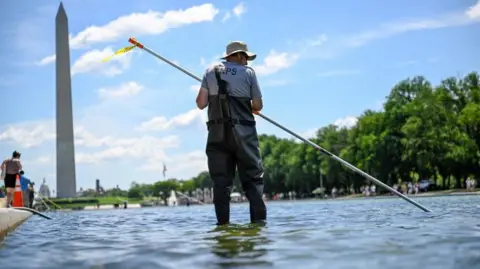
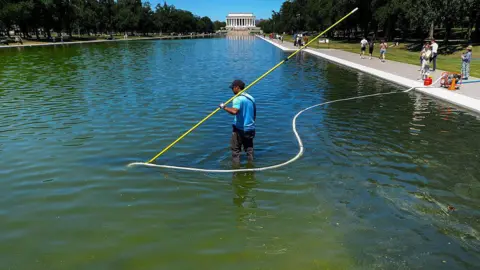
Throughout their deployment, the troops have responded to emergencies, supported police in maintaining curfews, and even participated in community beautification projects. The administration claims the operations have resulted in significant arrests and reductions in crime, yet opponents argue that crime rates were already declining before their arrival and that the focus should return to local governance.
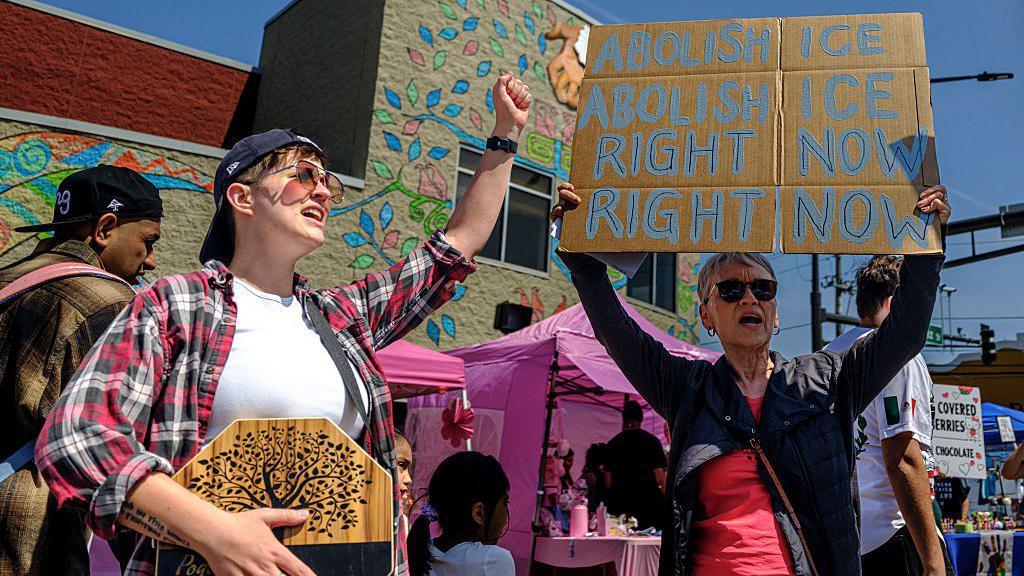
As challenges to their deployment unfold in court, the D.C. Attorney General’s office has been vocal against the ongoing military presence. The National Guard's indefinite deployment raises further concerns about the rights of D.C. residents as they prepare to head to the polls in June. Advocacy groups are organizing protests against the military presence, framing it as an occupation that stifles democracy.
Council member Brianne Nadeau observed that while there remains some public discontent, concerns regarding the Guard have lessened since their initial arrival. Local officials, may candidates, aim to push for a return to normal local governance while maintaining transparency and accountability with the federal influence within the district.
In a unique political environment where local control is significant yet limited, Washington D.C. continues to navigate the complexities of federal military presence amidst societal needs and the push for self-governance.