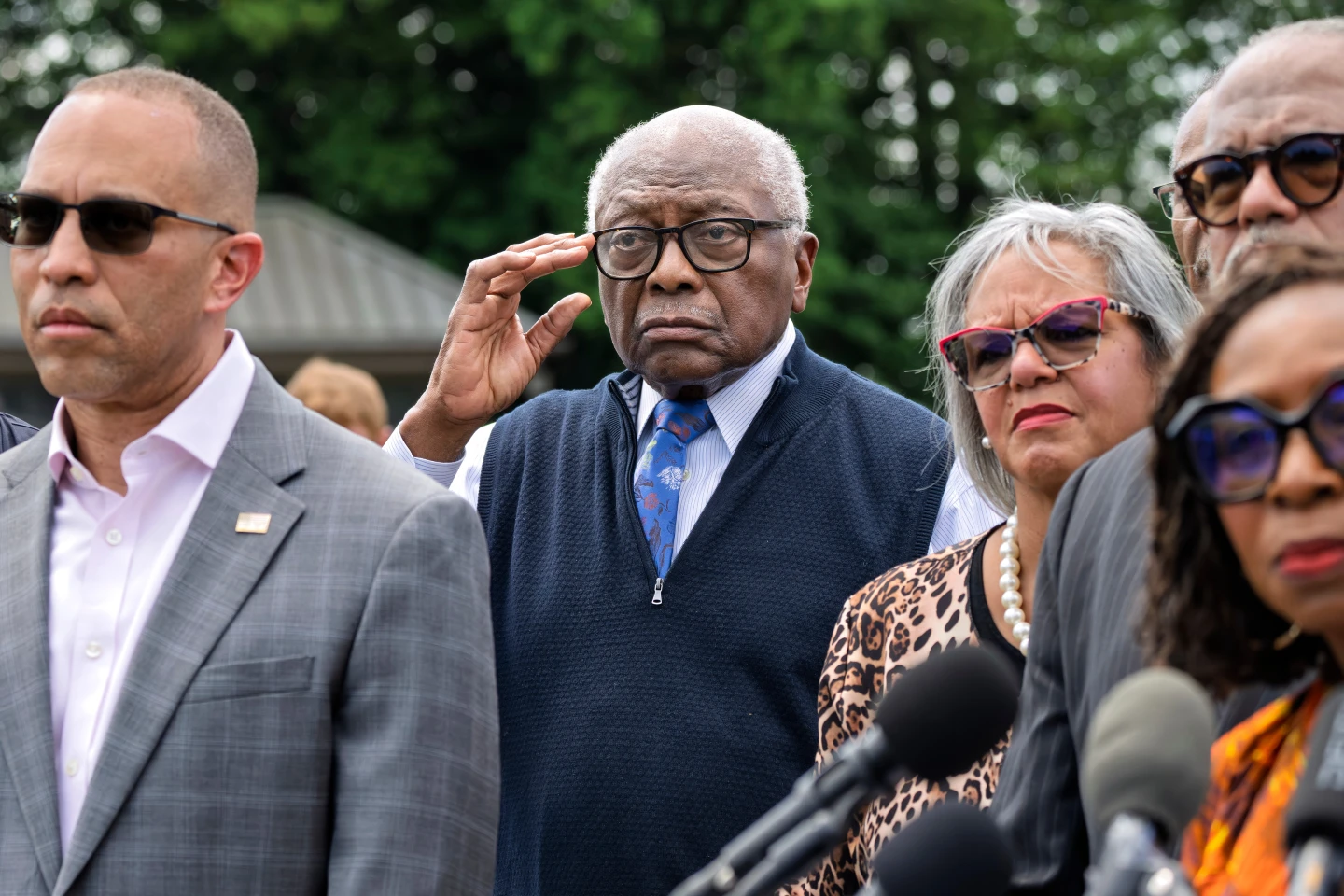
On the morning of Tuesday, as South Carolina voters headed to the polls for its primary elections, the state Senate faced a pivotal decision: should they cancel the ongoing votes and redraw congressional districts—or let the current primaries finish? The senators answered the latter, rejecting a Republican‑led plan that would have postponed the primaries to a new map believed to favor Republican candidates in the state’s seven House seats.
Senator Richard Cash, a Republican, summed up the impasse, saying, South Carolina citizens are going to the polls today. And neither my conscience nor common sense is going to let me stop an election that is already underway. Early in‑person voting began in earnest that day, and by 1 p.m. more than 32,000 ballots had been cast, a stark contrast to the 125,000 early votes in the first two weeks of the 2022 cycle.
The congressional map that the Senate was asked to alter had been drawn by Republicans with the help of President Trump, who has urged GOP‑led states to gerrymander ahead of the November elections to counteract the typical mid‑term headwinds that paralyze the president’s party. The plan would have taken the incumbent, Democrat U.S. Rep. Jim Clyburn, out of his district without a primary and set a new, Trump‑favored map for an August primary.
Clyburn, a long‑time Democrat who has represented his district for a decade, called the effort a political vendetta and warned that the White House was pushing a map that ignored the Constitution.
The failure in South Carolina ripples across the nation. In Alabama, a federal panel of three judges issued a preliminary injunction blocking a Republican‑drawn map that could have added an extra seat for the GOP. The court ruled that the map intentionally discriminated based on race by including only one Black‑majority district. Thus, the court ordered the continued use of a court‑imposed map that preserves two districts with significant Black populations.
Alabama Attorney General Steve Marshall, a Republican, vowed a quick appeal to the Supreme Court and expressed confidence a final victory would prove that the GOP could overturn the injunction.
The redistricting fight spans a decade and chains states across the South. Texas, Missouri, North Carolina, Ohio, Florida, Tennessee, and Louisiana are all in various stages of redrawing their congressional maps. Republicans believe that these new maps could net them up to 15 or more seats if the courts allow them to use their versions.
Meanwhile, Democrats are chasing gains in California and Utah via voter‑approved and court‑imposed maps that could add about six seats apportioning to the party. The fight over redistricting has become a proxy for a broader racial justice debate. Last week, the Congressional Black Caucus called corporations nationwide to oppose maps that eliminate majority‑Black districts, and urged those companies to boycott public universities in states that draw such maps.
The narrative underscores that redistricting is not just a matter of electoral math but also a clash over representation for communities of color. As the US Supreme Court has weakened minority protections under the Voting Rights Act, states have the latitude to redraw maps that may erode equitable representation.
In short, while the Trump‑backed plan in South Carolina faltered due to legislators citing the timing of the primary, the Alabama injunction further stalls Republican ambitions to secure a clean sweep of House seats. Democrats have celebrated the legal victories, but the redistricting battle has now reached the apex of federal judicial interference, setting the stage for a hotly contested mid‑term election across the country.”
Senator Richard Cash, a Republican, summed up the impasse, saying, South Carolina citizens are going to the polls today. And neither my conscience nor common sense is going to let me stop an election that is already underway. Early in‑person voting began in earnest that day, and by 1 p.m. more than 32,000 ballots had been cast, a stark contrast to the 125,000 early votes in the first two weeks of the 2022 cycle.
The congressional map that the Senate was asked to alter had been drawn by Republicans with the help of President Trump, who has urged GOP‑led states to gerrymander ahead of the November elections to counteract the typical mid‑term headwinds that paralyze the president’s party. The plan would have taken the incumbent, Democrat U.S. Rep. Jim Clyburn, out of his district without a primary and set a new, Trump‑favored map for an August primary.
Clyburn, a long‑time Democrat who has represented his district for a decade, called the effort a political vendetta and warned that the White House was pushing a map that ignored the Constitution.
The failure in South Carolina ripples across the nation. In Alabama, a federal panel of three judges issued a preliminary injunction blocking a Republican‑drawn map that could have added an extra seat for the GOP. The court ruled that the map intentionally discriminated based on race by including only one Black‑majority district. Thus, the court ordered the continued use of a court‑imposed map that preserves two districts with significant Black populations.
Alabama Attorney General Steve Marshall, a Republican, vowed a quick appeal to the Supreme Court and expressed confidence a final victory would prove that the GOP could overturn the injunction.
The redistricting fight spans a decade and chains states across the South. Texas, Missouri, North Carolina, Ohio, Florida, Tennessee, and Louisiana are all in various stages of redrawing their congressional maps. Republicans believe that these new maps could net them up to 15 or more seats if the courts allow them to use their versions.
Meanwhile, Democrats are chasing gains in California and Utah via voter‑approved and court‑imposed maps that could add about six seats apportioning to the party. The fight over redistricting has become a proxy for a broader racial justice debate. Last week, the Congressional Black Caucus called corporations nationwide to oppose maps that eliminate majority‑Black districts, and urged those companies to boycott public universities in states that draw such maps.
The narrative underscores that redistricting is not just a matter of electoral math but also a clash over representation for communities of color. As the US Supreme Court has weakened minority protections under the Voting Rights Act, states have the latitude to redraw maps that may erode equitable representation.
In short, while the Trump‑backed plan in South Carolina faltered due to legislators citing the timing of the primary, the Alabama injunction further stalls Republican ambitions to secure a clean sweep of House seats. Democrats have celebrated the legal victories, but the redistricting battle has now reached the apex of federal judicial interference, setting the stage for a hotly contested mid‑term election across the country.”