Educated and employed but still struggling: India's middle class under strain
In a darkened control room in Navi Mumbai, 100 operators oversee bots monitoring 30,000 ATMs across India. Their cameras, sensors and bots do the work that 60,000 security guards once did. This setup reflects how automation is reshaping and even eliminating the jobs foundational to the middle class, with people now grappling with its far-reaching impact.
A case in point is VS, a 27-year-old BTech graduate from Rajasthan, who earns 14,000 rupees ($151) a month as a freelance salesperson. After losing 1.3 million rupees from his family's savings through risky stock market trades, he represents a growing number of Indians (about nine million) collectively losing over $12 billion a year in similar ventures. These aren't gamblers, but ambitious individuals left with few options.
Similar stories emerge from other middle-class members, like Rahul Singh, a food delivery agent who has taken loans for both essential and discretionary spending. Although they come from different backgrounds, their financial predicaments mirror each other, spotlighting the silent crisis affecting India’s middle class.
Research indicates that job creation for graduates has plummeted, and AI is accelerating this decline by rendering many traditional roles obsolete. For example, white-collar jobs grew from 11% before 2020 to just 1% today. The economic dynamics have shifted, with many middle-class families facing rising living costs that greatly outpace the modest growth in incomes.
The average yearly income for middle-class taxpayers barely keeps pace with inflation; the true cost of living is doubling approximately every eight years, while debt levels are mounting. Nearly half of all Indian families have taken personal loans, and many struggle to keep up with payments, tying up a large portion of their income in debt servicing.
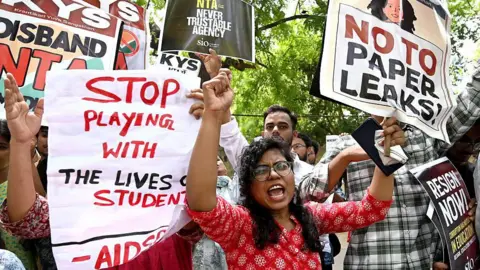
The paradox of having more graduates than ever, yet witnessing a high unemployment rate among them, raises critical questions about the future of India’s economic framework. Education, once seen as the key to prosperity, no longer guarantees job security. This situation underscores an urgent need for political and economic reforms that address the plight of the middle class.
As we sink deeper into this fiscal maze, the middle class's ability to sustain itself and contribute to the economy is in jeopardy. Whether the modern Indian state can protect or revive this crucial segment of society remains to be seen.