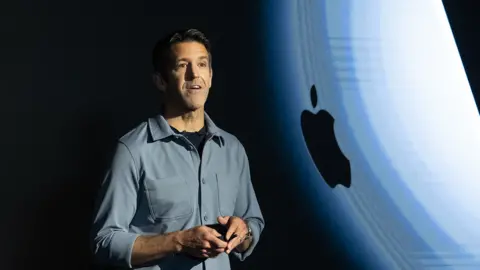
Apple will have been planning this succession for a long time.
Rumours were circulating for a while that 65-year-old Tim Cook was thinking about stepping down, and while a few potential replacements popped up, the name which stuck was the firm’s vice president of hardware, 51-year-old John Ternus.
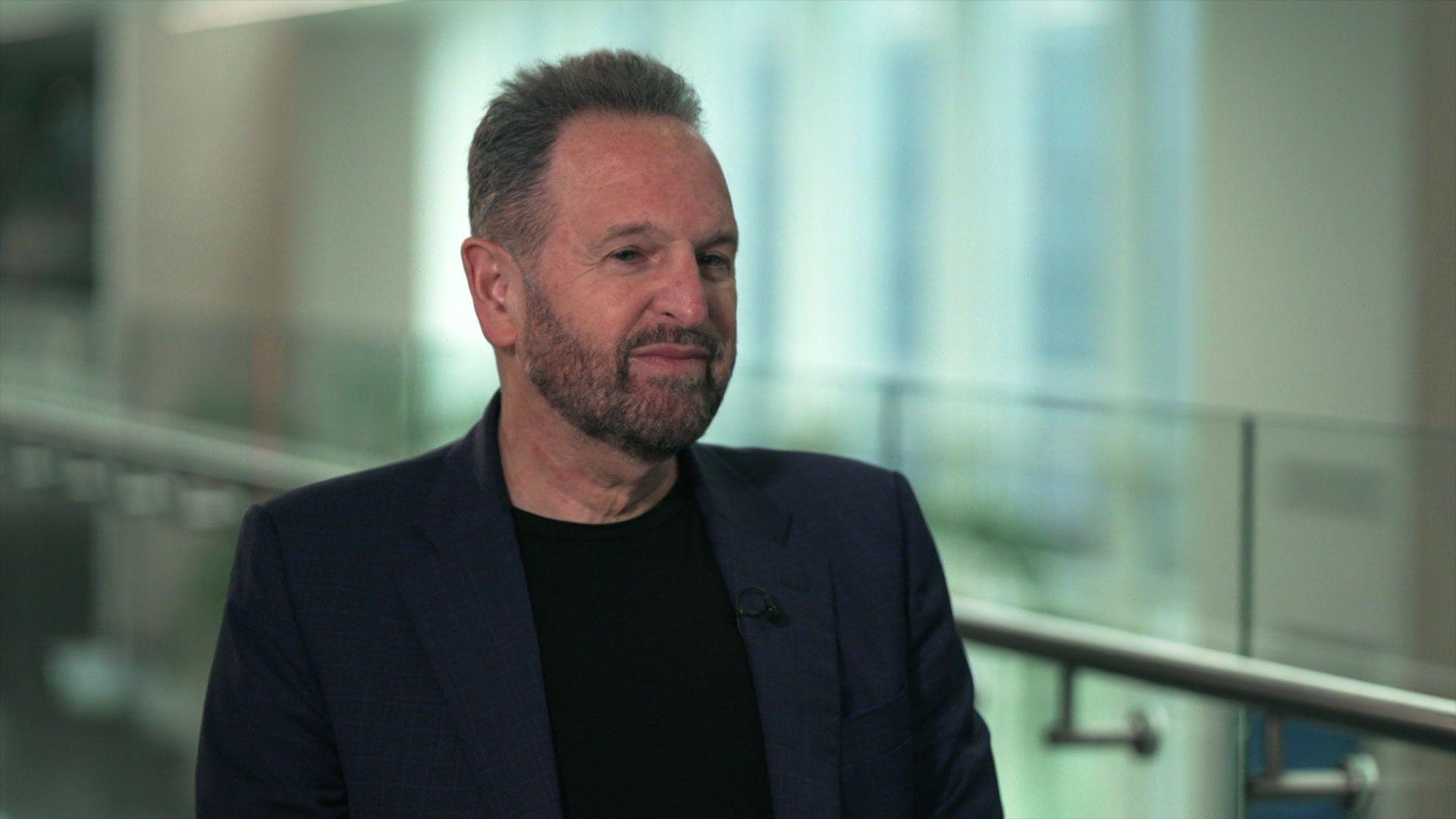
I had an informal meeting with him in the UK recently and I asked him then whether he really was heir apparent to the Apple throne.
He laughed and very smoothly gave me what’s known in the newsroom as a politician’s answer - that is, he didn’t actually answer the question at all.
Instead, he enthused about Tim Cook's leadership. But there was no other obvious reason why I was suddenly invited to have coffee with him at that moment, some 25 years after he joined the firm.
I found Ternus polite, friendly, and everything he told me was perfectly delivered, if a bit bland. I wish I could tell you I got some good gossip, but there wasn’t a single unguarded moment. Apple is frustratingly good at curating what it chooses to say, even in private.
You could say Cook has chosen a replacement in his own mould: calm, steady, reliable. While co-founder Steve Jobs was legendary for being brilliant, but also difficult to work with and prone to tantrums, it’s hard to imagine either Tim Cook or John Ternus really kicking off. Neither are the kind of fiery characters which currently dominate U.S. public life.
Between them, Cook and Jobs ran the show for around 30 of Apple’s 50-year history. And, despite telling me a few years ago that there was no good excuse for the lack of women in the tech sector, Apple - like many big tech firms - is yet to appoint a woman in charge.
John Ternus is affectionately described as a product guy. He told me he likes to be hands-on with the development teams. Tim Cook was originally known as the operations guy but he also has a very keen interest in hardware.
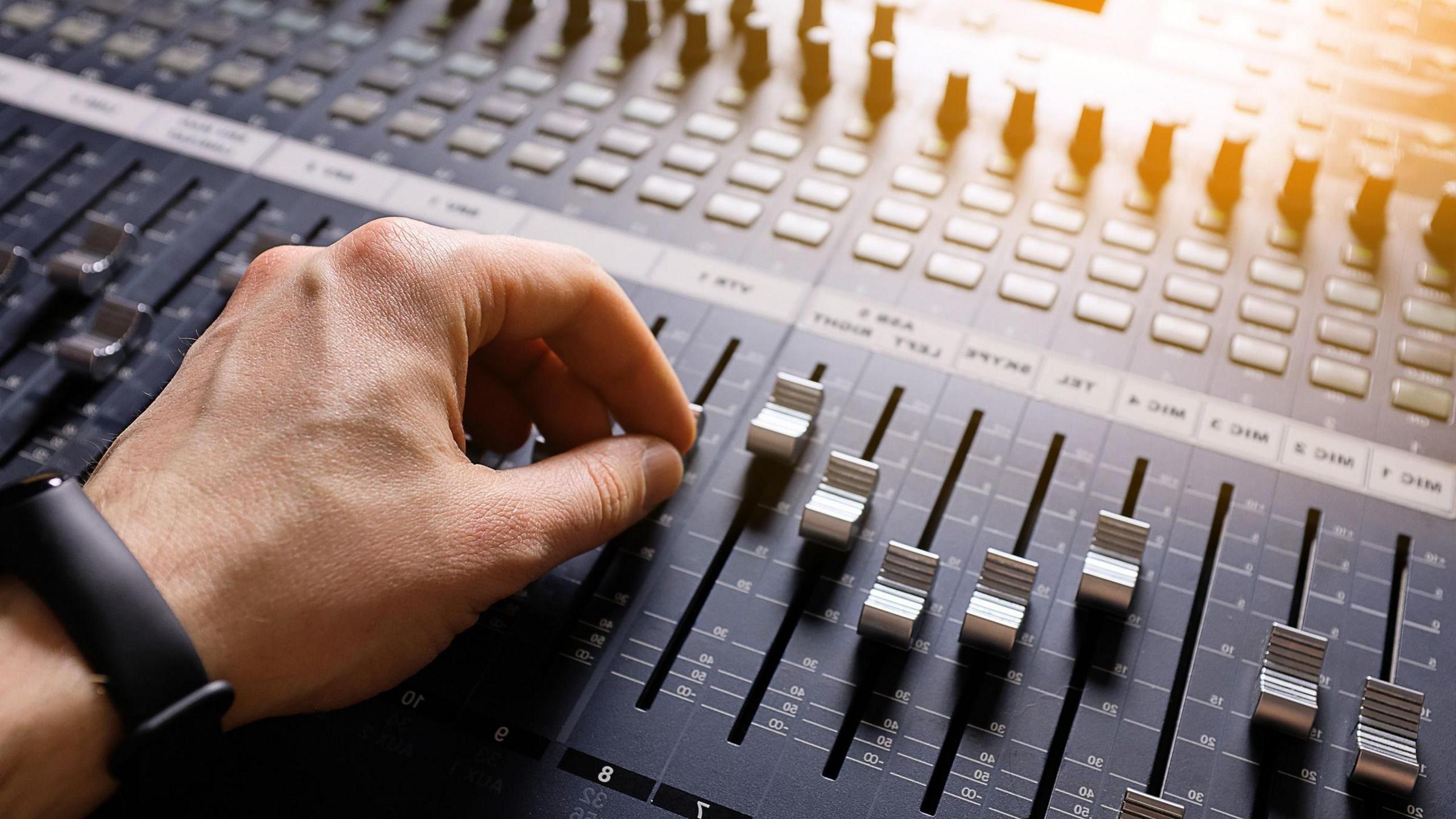
The first time I met him, he was fascinated by my vintage BBC-issued audio recorder, turning it over and over in his hands and admiring the buttons and dials.
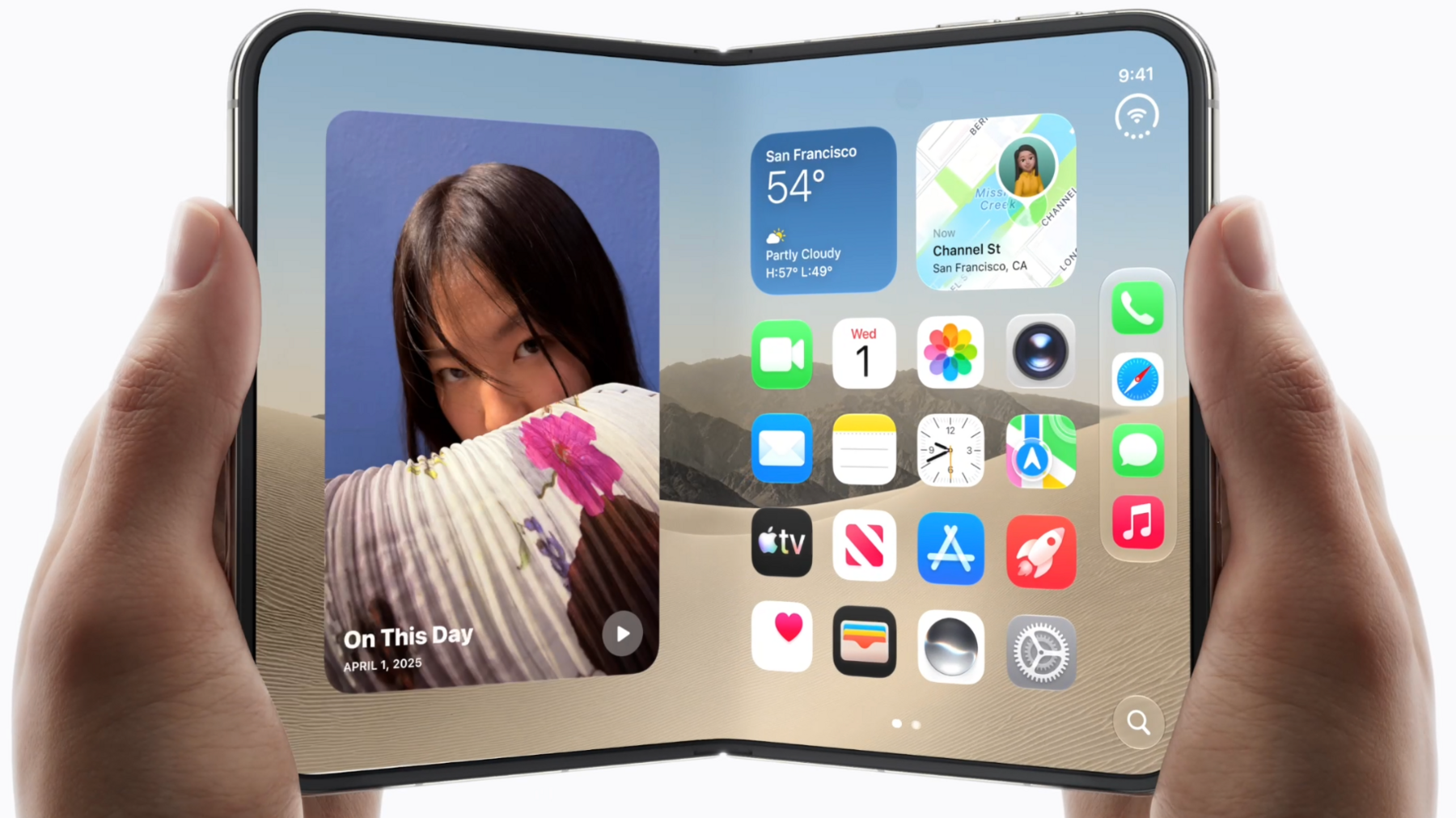
It’s unfortunate for Cook that his last big product launch, Apple's VR headset, the Vision Pro, which arrived years after VR got going and cost ten times more than its rivals, does not appear to have been a success.
New boss, new challenges
The big challenge for Ternus is AI. Apple is renowned for moving slowly and strategically - and this has paid vast dividends so far when it comes to its gadgets. The iPhone wasn’t the first smartphone on the market when it launched in 2007 but it was the one which redefined the landscape.
At the same time, the company has faced criticism for being slow to jump on soaring AI demand, eventually choosing to incorporate OpenAI’s ChatGPT and Google’s Gemini technology into its operating systems, opting for partnerships over proprietary AI in this booming area.
That said, AI is proving hit and miss with reports of disappointing adoption rates among businesses.
Apple hasn’t thrown the kitchen sink at AI opportunities, comments Susannah Streeter, chief investment strategist at Wealth Club. There’s an expectation that John Ternus will maintain this defensive strategy, without over-deploying capital, which seems sensible given concerns about an AI bubble potentially bursting.
Ternus will also need to navigate political waters—particularly with a U.S. president known for being unpredictable. Tim Cook has attempted to present himself as politically neutral but has engaged in notable gestures, including a controversial donation to Trump’s inauguration fund.
Finally, how much of his private life is Ternus willing to share? Unlike Cook, who famously came out as gay in 2014, Ternus is more private about his life beyond Apple. He once admitted to not being much of a role model for work-life balance.
In an age that craves authenticity, Ternus faces the dilemma of whether to open up more—especially in a culture that yearns to see powerful figures as more relatable, even if that means playing a part.