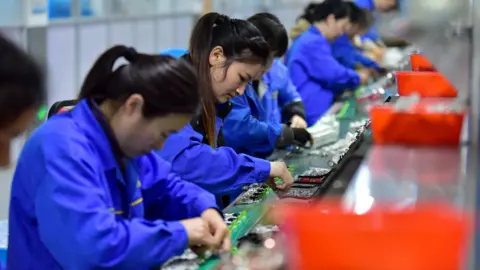
A somber atmosphere hovers over Jingxi in Foshan, a hub of manufacturing in China, where workers congregate in search of fleeting factory jobs amid reports of stagnant wages and rising costs. No one understands what our life is like, shares one anonymous worker, echoing a sentiment of desperation.
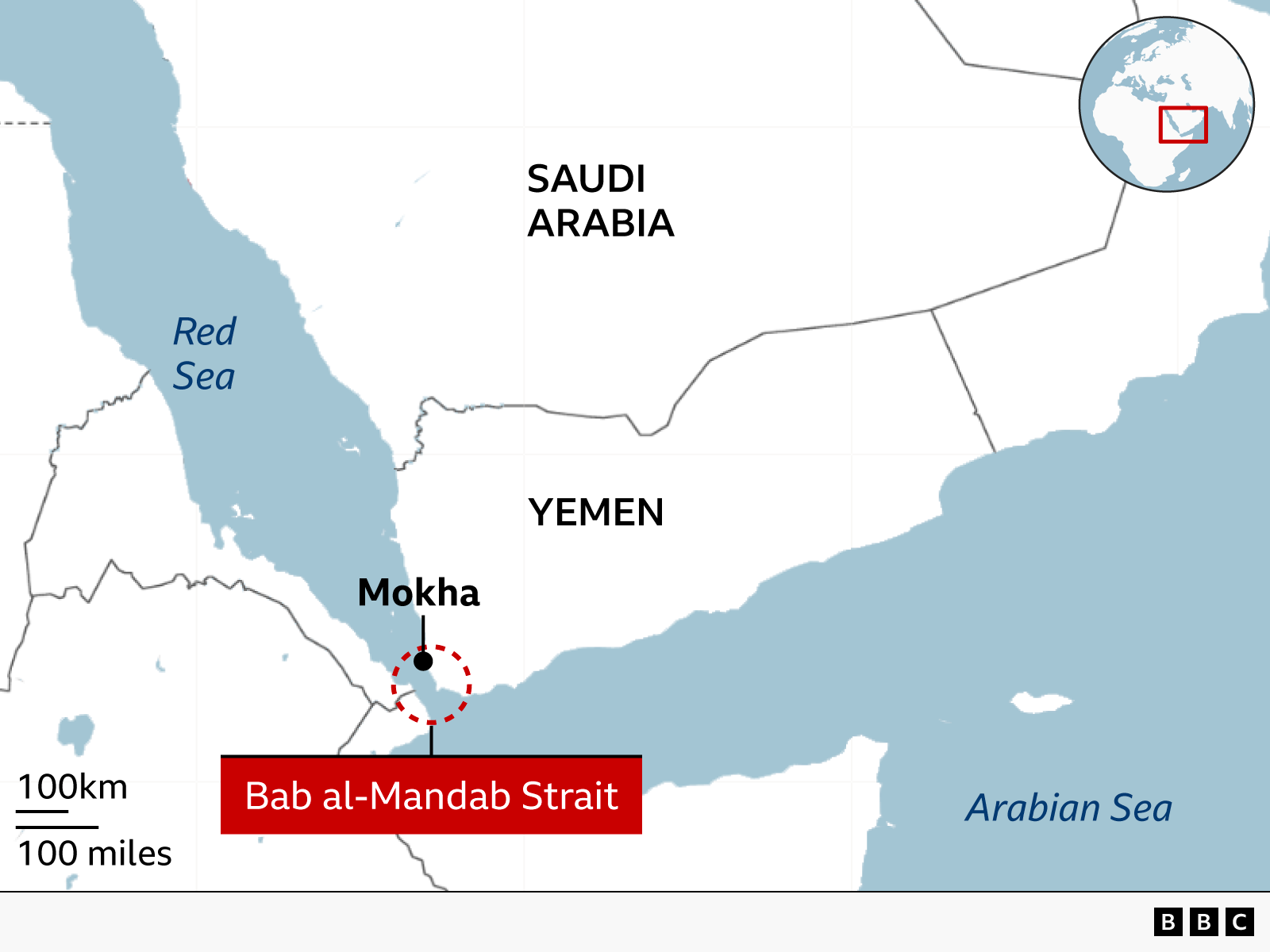
For many, the prospect of working long hours for minimal pay has become a grim reality within the rapidly changing landscape of Chinese manufacturing. As the sector evolves away from cheap, mass-produced goods to more automated processes, job security has become increasingly tenuous, a situation further exacerbated by the ongoing conflict in the Middle East.
In the context of these global uncertainties, China's economy already grappling with slow growth and unemployment must now contend with pressures stemming from the Iran war. Although GDP reported a growth of around 5% following Trump's tariffs, the escalation in geopolitical conflict threatens factory orders and employment.
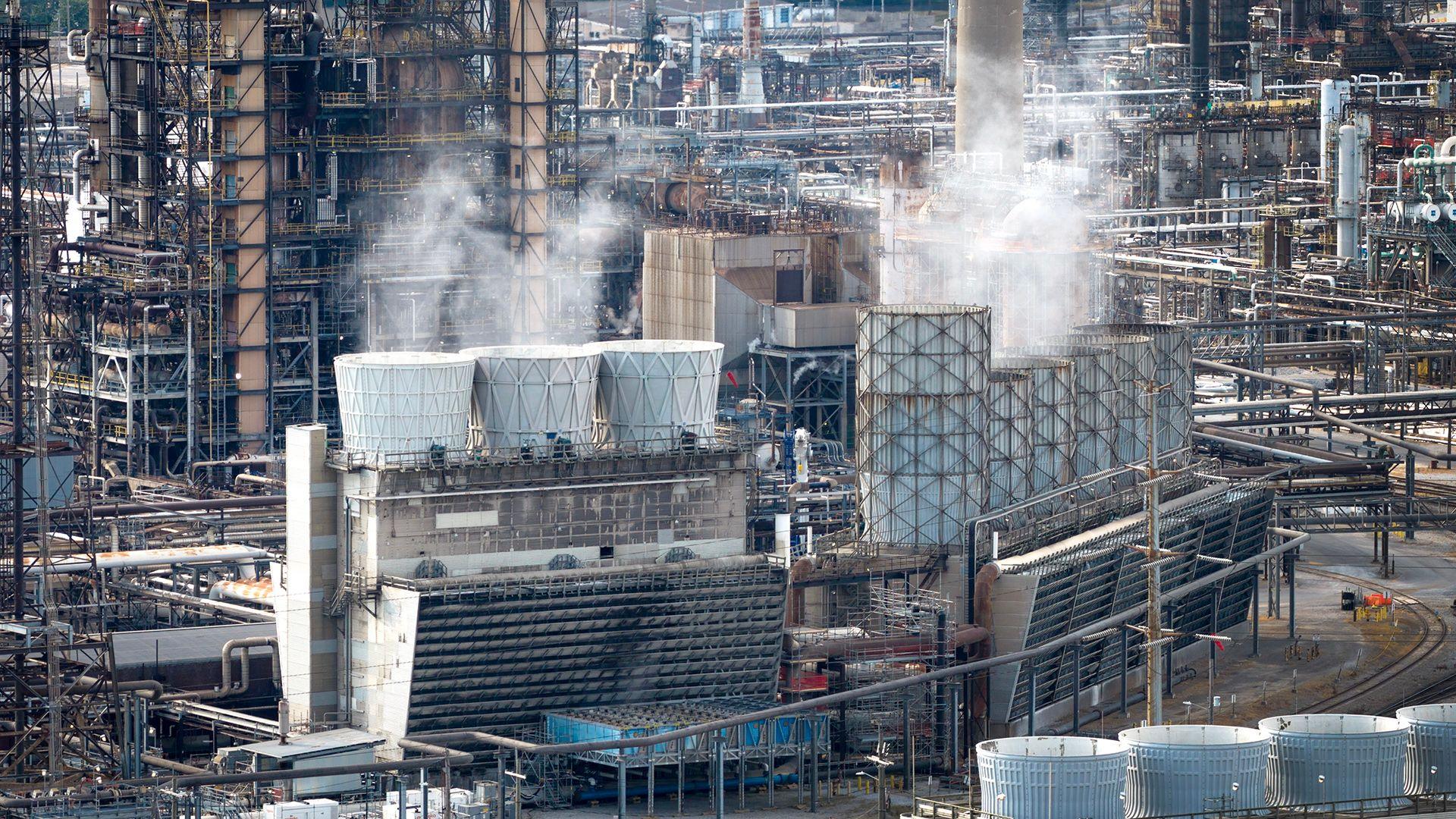
Moreover, the spirit of resistance seen during previous trade disputes has shifted to resignation as visible in China’s bustling manufacturing centers like Guangzhou. Fabric traders and manufacturers warn that rising oil prices—due to the Iran war—are squeezing profit margins, making it increasingly difficult to fulfill orders.
Despite these challenges, opportunities persist. The recent Canton Fair reveals a surge in potential buyers for China's electric vehicle sector—an area where manufacturers are looking beyond traditional markets as conflicts disrupt established trading routes to the Middle East.
Ultimately, while China appears to show resilience on the global stage, many individuals feel the stifling pressure of economic uncertainty. As leaders call for diplomatic solutions and a return to stability, the everyday worker in China remains caught in the limbo of broader geopolitical dynamics.