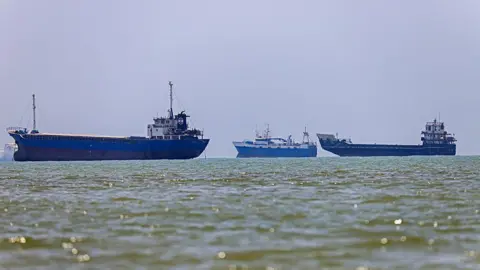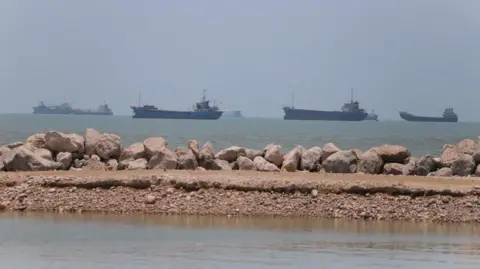
The ongoing diplomatic tensions between the US and Iran have culminated in a standoff marked by a war of blockades over the strategically critical Strait of Hormuz. Recently, US President Donald Trump confirmed that the ceasefire between the two nations, initially set to expire, continues, albeit under increasingly tense circumstances. Instead of direct conflict, both nations have resorted to intercepting and seizing commercial vessels, escalating maritime tensions in this vital waterway.
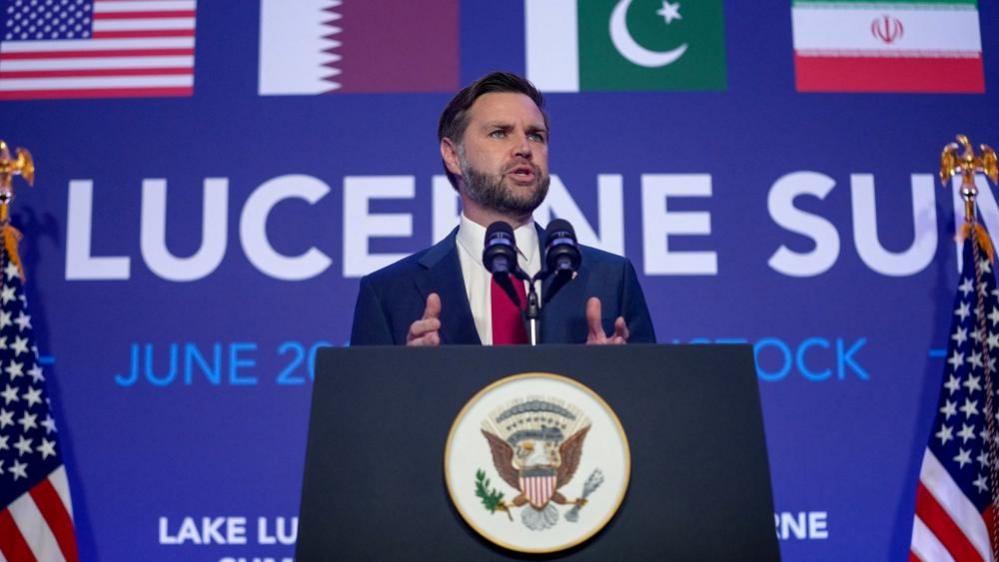
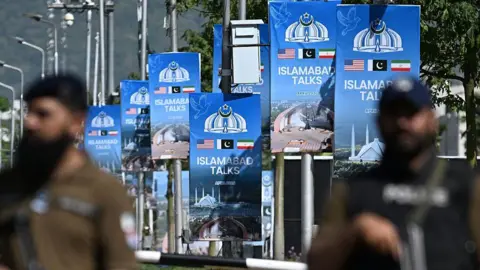
As Islamabad encourages dialogue, it finds itself in a precarious position waiting for Iranian and American representatives to convene for peace talks. Despite a sealed-off environment within the capital and an empty venue prepared for high-level negotiations, understanding has proven elusive. Reports indicate a shift in atmosphere, undermining earlier optimism for a diplomatic resolution.
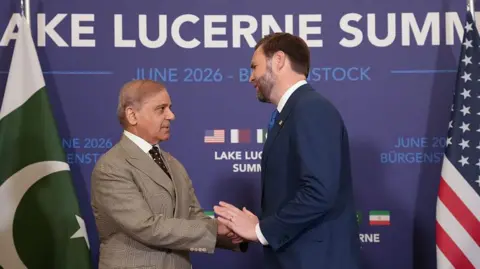
Pakistani Prime Minister Shehbaz Sharif has demonstrated a commitment to mediating the conflict, leveraging his diplomatic influence in reaching out to both parties. However, the recent backdrop includes accusations and counterclaims, with Iranian officials citing US breaches of commitments as a barrier to meaningful discussions. Trump’s fluctuating public statements regarding Iran have added complexity to negotiations, leaving many uncertain about the true state of diplomatic relations.
As tensions rise over the blockade, observers question Iran’s hesitance to engage in talks and the broader implications of a divided Iranian leadership on future diplomacy. With the potential for a significant geopolitical shift at stake, the situation remains dynamic, with both sides at a precipice that could redefine regional relations.
As Islamabad encourages dialogue, it finds itself in a precarious position waiting for Iranian and American representatives to convene for peace talks. Despite a sealed-off environment within the capital and an empty venue prepared for high-level negotiations, understanding has proven elusive. Reports indicate a shift in atmosphere, undermining earlier optimism for a diplomatic resolution.
Pakistani Prime Minister Shehbaz Sharif has demonstrated a commitment to mediating the conflict, leveraging his diplomatic influence in reaching out to both parties. However, the recent backdrop includes accusations and counterclaims, with Iranian officials citing US breaches of commitments as a barrier to meaningful discussions. Trump’s fluctuating public statements regarding Iran have added complexity to negotiations, leaving many uncertain about the true state of diplomatic relations.
As tensions rise over the blockade, observers question Iran’s hesitance to engage in talks and the broader implications of a divided Iranian leadership on future diplomacy. With the potential for a significant geopolitical shift at stake, the situation remains dynamic, with both sides at a precipice that could redefine regional relations.