A recent social media post by US President Donald Trump confirmed that the ceasefire between Iran, the US, and Israel, which was on the brink of expiration, has been extended. Instead of a traditional military conflict, both nations are currently engaged in a 'war of blockades' over the Strait of Hormuz, one of the world's most critical waterways. The situation in this region is increasingly volatile, with speculation that tensions could escalate further.
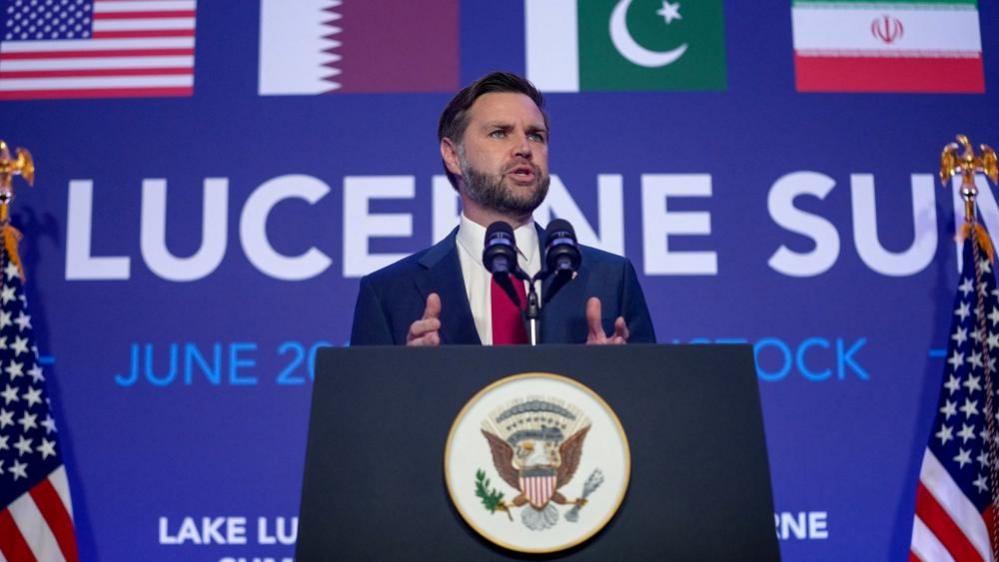
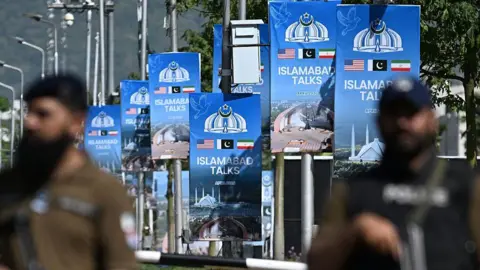
In Islamabad, preparations are ongoing as the city awaits representatives from both Iran and the US for proposed peace negotiations. However, high-level talks are still in limbo, with portions of the city sealed off and venues awaiting delegations that have not yet materialized.
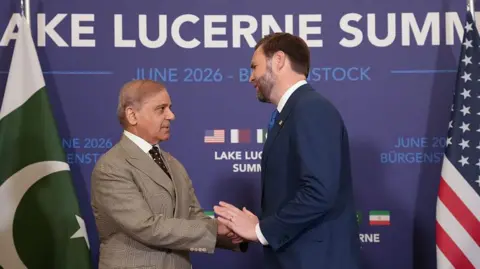
Despite preliminary hopes, the mood has shifted away from optimism. Pakistan's Prime Minister Shehbaz Sharif has expressed his government's commitment to facilitating discussions, stating the country will persist in its diplomatic efforts. On the other hand, Trump remains hopeful for a resolution, suggesting a deal could be on the horizon, although skepticism remains regarding whether such claims reflect genuine progress or mere rhetoric.
Iran has responded by criticizing the US for 'contradictory behavior' during these negotiations, suggesting ongoing frustration over past attempts at dialogue and the sudden military threats. The Iranian delegation's hesitance to travel to Islamabad has raised further concerns about the potential for meaningful negotiations.
As the geopolitical dynamics surrounding this confrontation evolve, military actions, psychological posturing, and diplomatic maneuvers continue to overlap, leading to an unpredictable situation where both sides remain locked in a tense standoff over the fate of the Strait of Hormuz.
In Islamabad, preparations are ongoing as the city awaits representatives from both Iran and the US for proposed peace negotiations. However, high-level talks are still in limbo, with portions of the city sealed off and venues awaiting delegations that have not yet materialized.
Despite preliminary hopes, the mood has shifted away from optimism. Pakistan's Prime Minister Shehbaz Sharif has expressed his government's commitment to facilitating discussions, stating the country will persist in its diplomatic efforts. On the other hand, Trump remains hopeful for a resolution, suggesting a deal could be on the horizon, although skepticism remains regarding whether such claims reflect genuine progress or mere rhetoric.
Iran has responded by criticizing the US for 'contradictory behavior' during these negotiations, suggesting ongoing frustration over past attempts at dialogue and the sudden military threats. The Iranian delegation's hesitance to travel to Islamabad has raised further concerns about the potential for meaningful negotiations.
As the geopolitical dynamics surrounding this confrontation evolve, military actions, psychological posturing, and diplomatic maneuvers continue to overlap, leading to an unpredictable situation where both sides remain locked in a tense standoff over the fate of the Strait of Hormuz.