Rape and sexual violence remain part of everyday life in areas of Sudan even when fighting in the country's civil war has moved elsewhere, according to a new report by medical charity Médecins Sans Frontières (MSF).
Calling rape a defining feature of the conflict, it states that sexual assault is overwhelmingly committed by armed men and is often accompanied by acts of brutality and humiliation.
But MSF observes that rape has been an insidious part of life for communities in western Darfur that have moved out of the frontline areas.
The report is the most comprehensive account yet on sexual violence in Sudan's nearly three-year war, based on testimonies from 3,396 victims who sought treatment in MSF-supported facilities across North and South Darfur between January 2024 and November 2025.
The warring parties — Sudan's army and the paramilitary Rapid Support Forces (RSF) — are both implicated in sexual violence, with the RSF being particularly prominent in Darfur. The vast majority of perpetrators identified by survivors were RSF fighters.
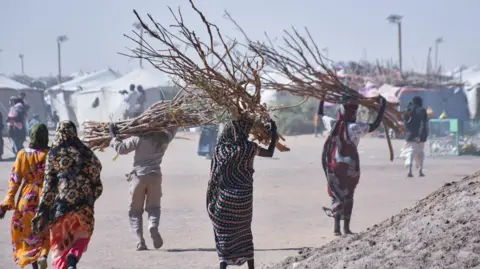
MSF highlights that more than 90% of victims it treated were assaulted while traveling from conflict zones towards safety in Tawila. These attacks often include multiple perpetrators and extreme violence, such as physical beatings and murder of relatives.
A survivor's account depicted the horror of such assaults: They took us to an open area. The first man raped me twice, the second once, the third four times and the fourth once. Apart from the rapes, they beat us with sticks and pointed guns at my head. Another girl who was 15 was raped by three men. We were raped throughout the night.
In addition, the report indicates a troubling ethnic dimension to many of the attacks, with non-Arab communities, such as the Zaghawa, Massalit, and Fur, being systematically targeted.
Despite the RSF leadership acknowledging individual violations during their takeover of el-Fasher, they claim these incidents are under investigation and dismiss the overall scale of allegations as exaggerated.
MSF's findings indicate that sexual violence does not diminish when fighting fronts shift, sustained by the ongoing militarization of the region and deep-seated gender inequalities that foster a sense of impunity among the aggressors.
In the documented cases from South Darfur, 68% of victims reported attacks by armed men, while one in five survivors of sexual assault there were minors, including 41 under the age of five.
Overall, the medical charity asserts that the humanitarian response has failed to address the needs of survivors adequately, calling for accountability and immediate action to alleviate these atrocities.