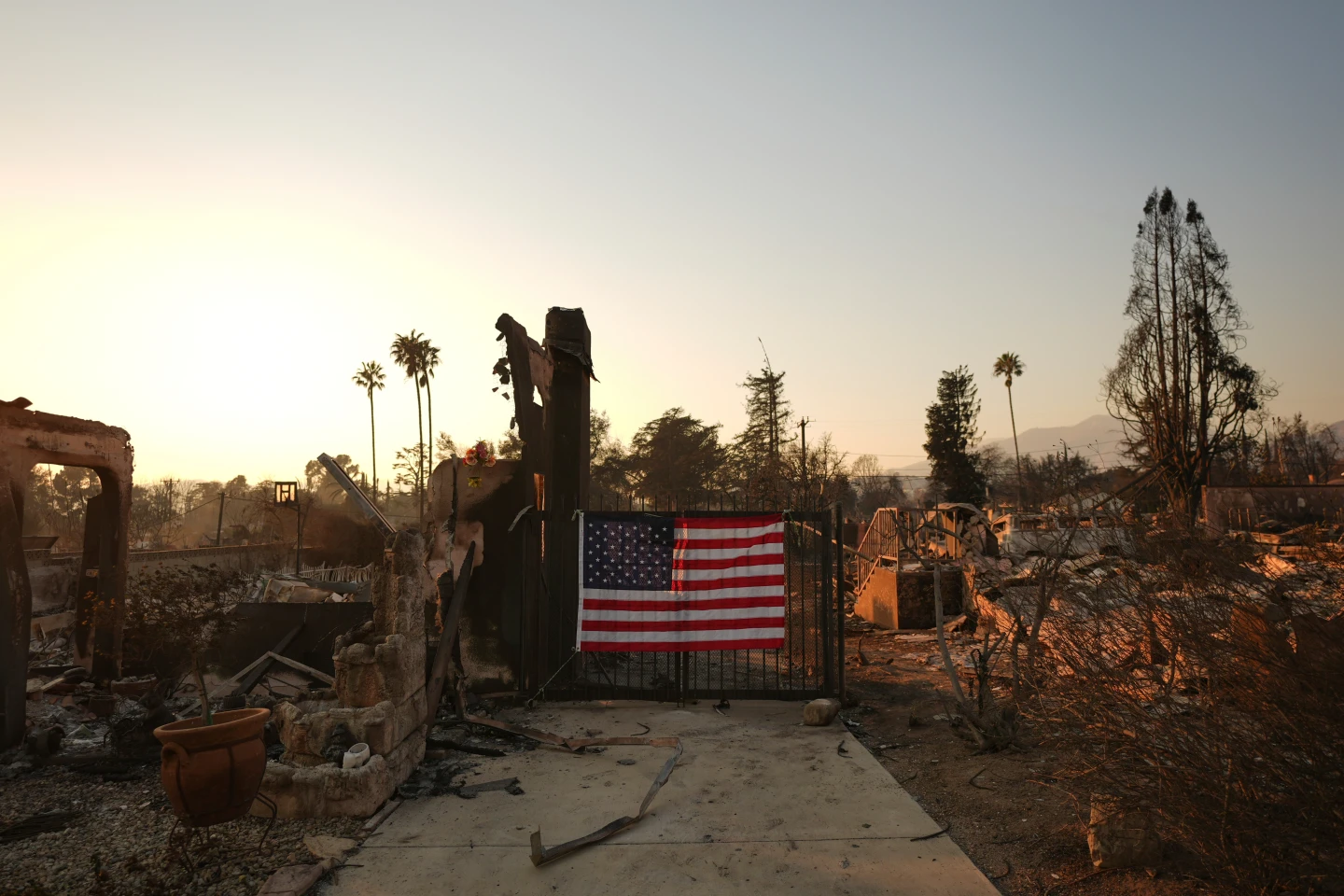
Thousands of survivors of the 2025 Eaton Fire in Altadena, California, have decided to accept upfront settlements from the utility accused of causing the devastating fire, opting for faster compensation over prolonged litigation. This financial aid could significantly assist in their efforts to rebuild or relocate.
However, survivors are facing a major financial obstacle: if a bill currently moving through Congress fails to become law, these settlement payments may be subject to taxation, severely diminishing the funds that victims rely on to restore their lives and possibly disqualifying them from other crucial government benefits.
“There was this terrifying disbelief,” said Bree Jensen, communications director for the Eaton Fire Long-Term Recovery Group, reflecting on the shock experienced by residents learning about the potential tax implications.
Many survivors in California, as well as others involved in lawsuits against utility companies in Colorado, Hawaii, and Oregon, are also feeling the weight of this issue. A tax exemption that protected wildfire-related compensations from taxation expired at the end of 2025, leaving many questioning the future of their settlements and recovery.
While Congress has historically protected such settlements from taxes, this relief has been temporary and contentious, often leaving survivors in precarious financial situations. A bipartisan House bill aimed at extending tax relief was passed out of committee last month, but the timeline for a full floor vote remains uncertain, leaving evacuees in limbo regarding their financial futures.
As one Altadena homeowner, who requested anonymity to protect her claim, pointed out, “We have to assume we don’t have that money, so we’re making decisions, choosing cheaper materials, forgoing the solar.” She stands to receive about $700,000 in settlement but estimates that taxes could potentially take 37% of that amount.
Families like hers have been displaced for over a year, staying with relatives and in rentals, hoping swift settlements will help them rebuild their homes. The homeowner expressed a forlorn sentiment, saying, “All we wanted was to rebuild a comfortable house and get out of the situation we were in,” remarking on estimated construction costs reaching $1 million.
Many survivors, now watching lawmakers squabble over unrelated matters, fear their situation will be deprioritized amidst national crises. “People have low expectations of anything actually getting done,” stated Jenn Kaaoush, a survivor of the 2021 Marshall Fire and now a town council member in Superior, Colorado.
Compensation Has Become Crucial to Rebuilding
Utilities have long been implicated in igniting some of the most destructive fires, and while multi-billion-dollar settlements are common, they often take years to resolve. With soaring construction costs and increasingly expensive insurance, these compensations are critical for households to start anew.
“It’s the difference between towns getting rebuilt and not getting rebuilt, quite frankly,” asserted attorney Doug Boxer, who has represented over 17,000 California clients in utility lawsuits regarding fires.
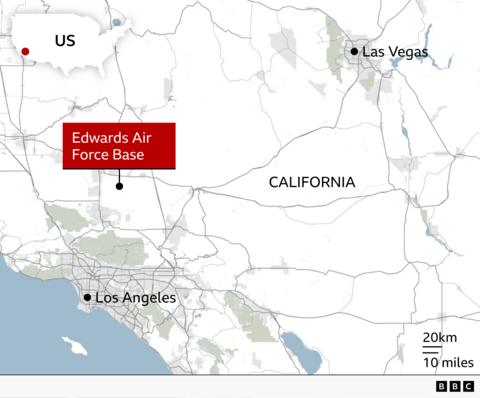
Southern California Edison and its parent company, Edison International, recently acknowledged the role of their equipment in sparking the Eaton Fire, which killed 19 people and affected approximately 9,000 structures. Their compensation program promises swift payouts, attracting more than 2,800 applications from households affected by the disaster.
“It sounds like a lot of money, but not in regards to how expensive it is to actually build in the community,” mentioned Jensen, whose home also burned.
A Bipartisan Bill Would Extend Tax Relief
A House Ways and Means Committee has approved legislation that would exempt payments related to federally declared wildfire disasters from 2015 to 2026 from taxable income. Although this measure aims to provide relief for 2026 and beyond, the future of this bill’s passage remains in question.
Legislators like Rep. Greg Steube of Florida champion the need for extended tax relief, emphasizing the importance of these provisions for disaster-stricken constituents.
While two similar bills are pending action in the Senate, survivors continue to press for action, urging for tangible relief as new disasters unfold. Jennifer Gray Thompson, executive director of survivor nonprofit After The Fire, emphasizes, “As these disasters come in quick succession, we are going to have to adapt on all levels, and our tax code will have to adapt along with it.”
Residents impacted by the recent wildfire incidents in Hawaii and Oregon echo the same sentiment of uncertainty regarding their compensation and rebuilding efforts.
The complications arising from potential taxation of settlement funds could lead to further struggles in qualifying for crucial government benefits related to food, healthcare, and other essential services.
Many survivors feel trapped in a cycle of obstacles that extend their suffering. “Being taxed would just add more pain and suffering for us, really,” expressed one Altadena resident, emphasizing the broader implications for their families and livelihoods.