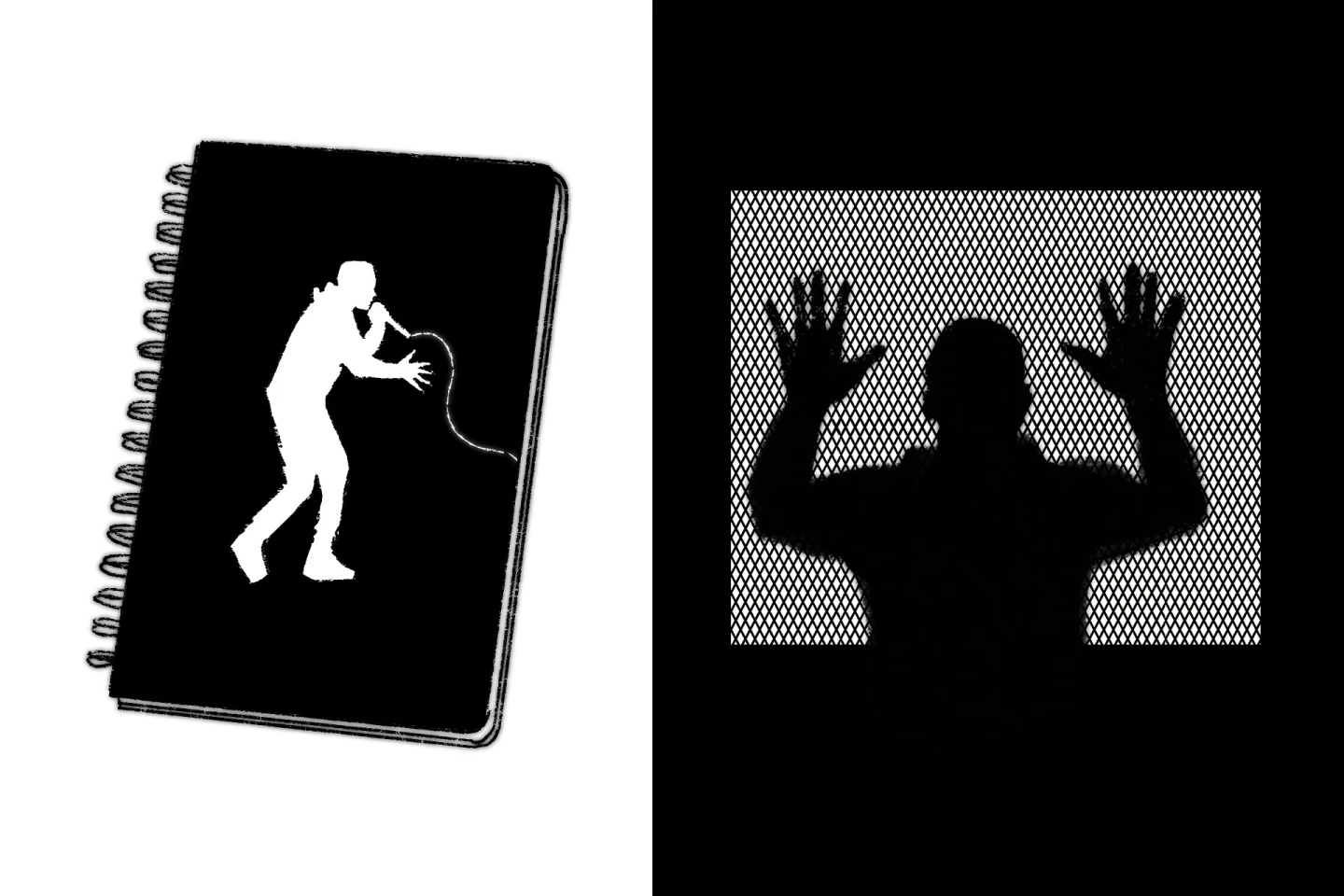
At just 19, James Broadnax recorded rap lyrics in a notebook which would eventually be introduced as evidence in his capital murder trial. Prosecutors parsed through these lyrics, focusing on those that seemed to reference gang affiliations and violent acts, thereby painting a narrative that he deserved the death penalty rather than life in prison.
This case is not isolated; it represents a broader trend where rap lyrics are used in court across the United States as incriminating evidence against defendants, typically Black and from low-income backgrounds. Critics argue that this practice unfairly targets young men of color and reduces a complex artistic expression into a simplistic autobiography that fits preconceived racial stereotypes.
According to Erik Nielson, co-author of 'Rap on Trial,' treating rap music as mere autobiography diminishes its artistic merit. Nielson notes that while such expressions are routinely judged in the context of criminality, other forms of artistic expression are often shielded from being introduced as evidence in trials.
The ramifications can be severe. In Broadnax's case, his attorneys stress that the nearly all-white jury's bias may have been influenced by their exposure to rap lyrics, attaching a racial narrative that could have affected their judgment. His execution is currently scheduled for April 30, pending an appeal that seeks to highlight this bias.
Academics and activists have begun to speak out against the use of rap lyrics in legal proceedings, asserting that the judicial system must develop clearer guidelines regarding artistic expression and its relevance in crimes. New legislation is being proposed in several states aimed at offering protections for creative works, which may help in preventing their characterizations as confessions or autobiographical accounts in the court of law.
As society grapples with these issues, the intersection of art and justice raises critical questions about race, representation, and the nature of truth in the legal system.