
In brief
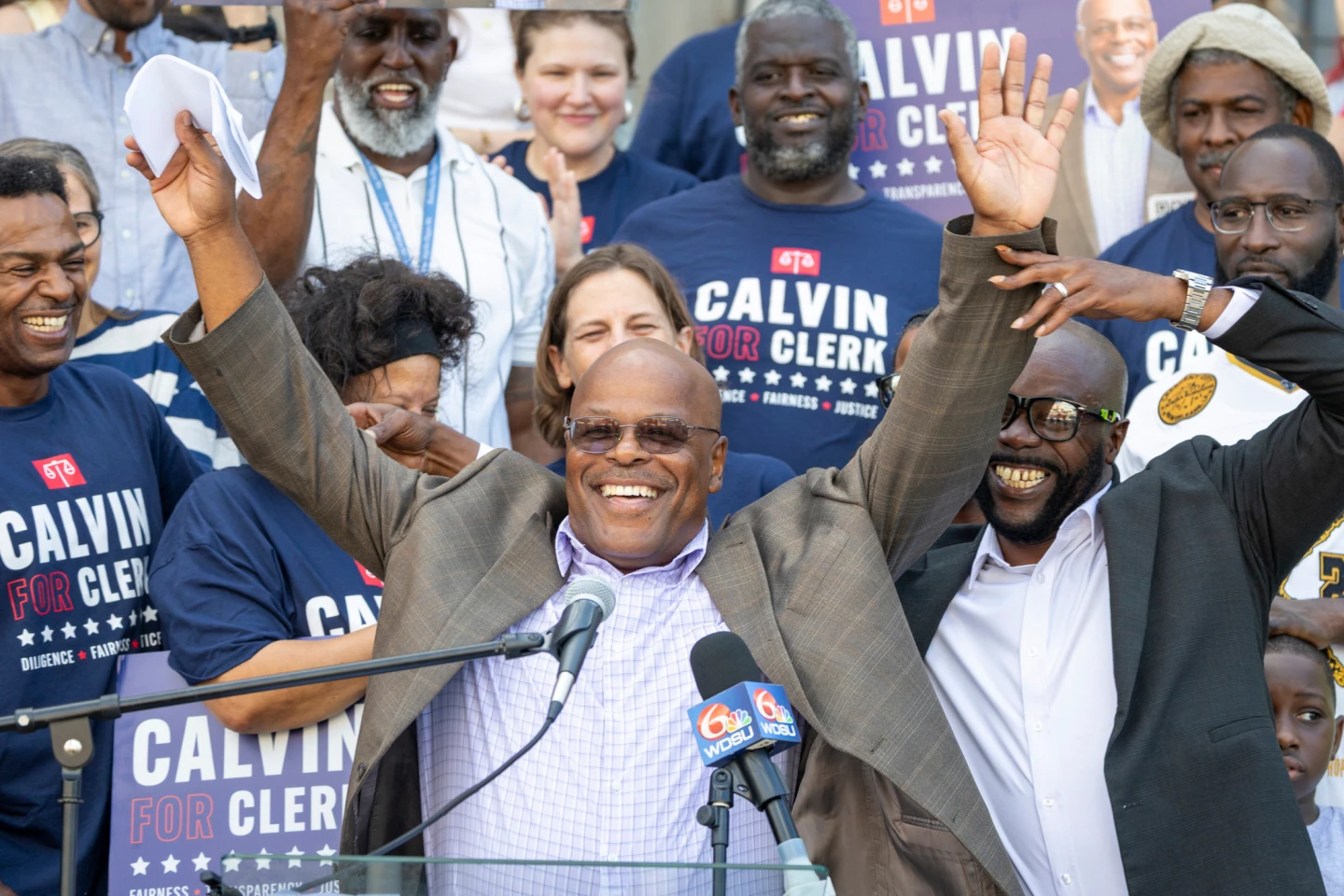
Calvin Duncan, exonerated after nearly 30 years in prison, won the Orleans Parish clerk of criminal court election with 68% of the vote. Despite his victory, Louisiana's GOP-controlled legislature is fast-tracking a measure to eliminate his position, citing government efficiency and judicial dysfunction. Duncan claims this move reflects retaliation for his pursuit of justice and calls into question the integrity of the electoral process in predominantly Democratic New Orleans.
NEW ORLEANS — Calvin Duncan, who spent nearly 30 years wrongly imprisoned before his exoneration, has won a significant election in New Orleans. He received 68% of the vote to become the clerk of criminal court, pledging to reform a judicial system that failed him. However, his ascent to office is now threatened as Louisiana Republicans, led by Governor Jeff Landry, move swiftly to eliminate the position before he is sworn in.
After enduring a long battle to clear his name while incarcerated, Duncan managed to rebuild his life and secured a role in the very system that had wronged him. His election win was celebrated within the predominantly Black electorate of New Orleans, representing a shift towards reform. Yet, the GOP-controlled Louisiana Senate voted to dissolve Duncan's new position amidst claims of the need to streamline the judicial process in a city known for its Democratic leanings.
Scheduled to take office on May 4, Duncan has expressed concerns that these actions represent retaliation from state officials who previously denied his innocence. He sees the move as an affront to the democratic process and the will of the voters who placed their trust in him.
Republican lawmakers argue that the elimination of Duncan's post is necessary for improved governmental efficiency, with proponents of the plan asserting that such roles are often consolidated in other parishes. They maintain that this consolidation will cut costs, although critics believe it undermines the electoral mandate.
As the events unfold, Duncan remains resolute, arguing that his election was a beacon of hope for justice reform. He states that the bill designed to remove him from office ultimately disenfranchises the voters of New Orleans, who have spoken through the ballot. The future of his role, and of judicial reform in Louisiana, now hangs in the balance.

