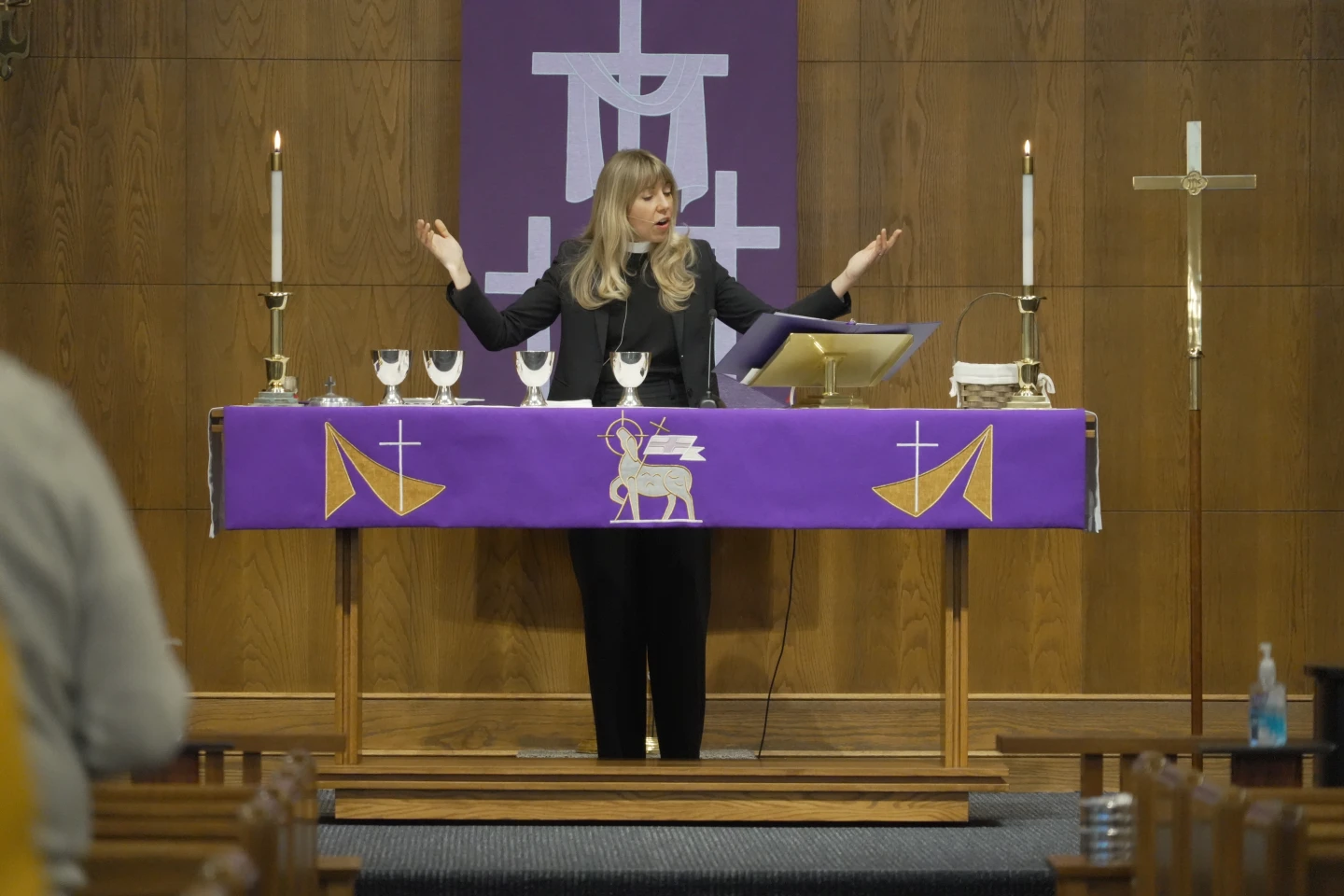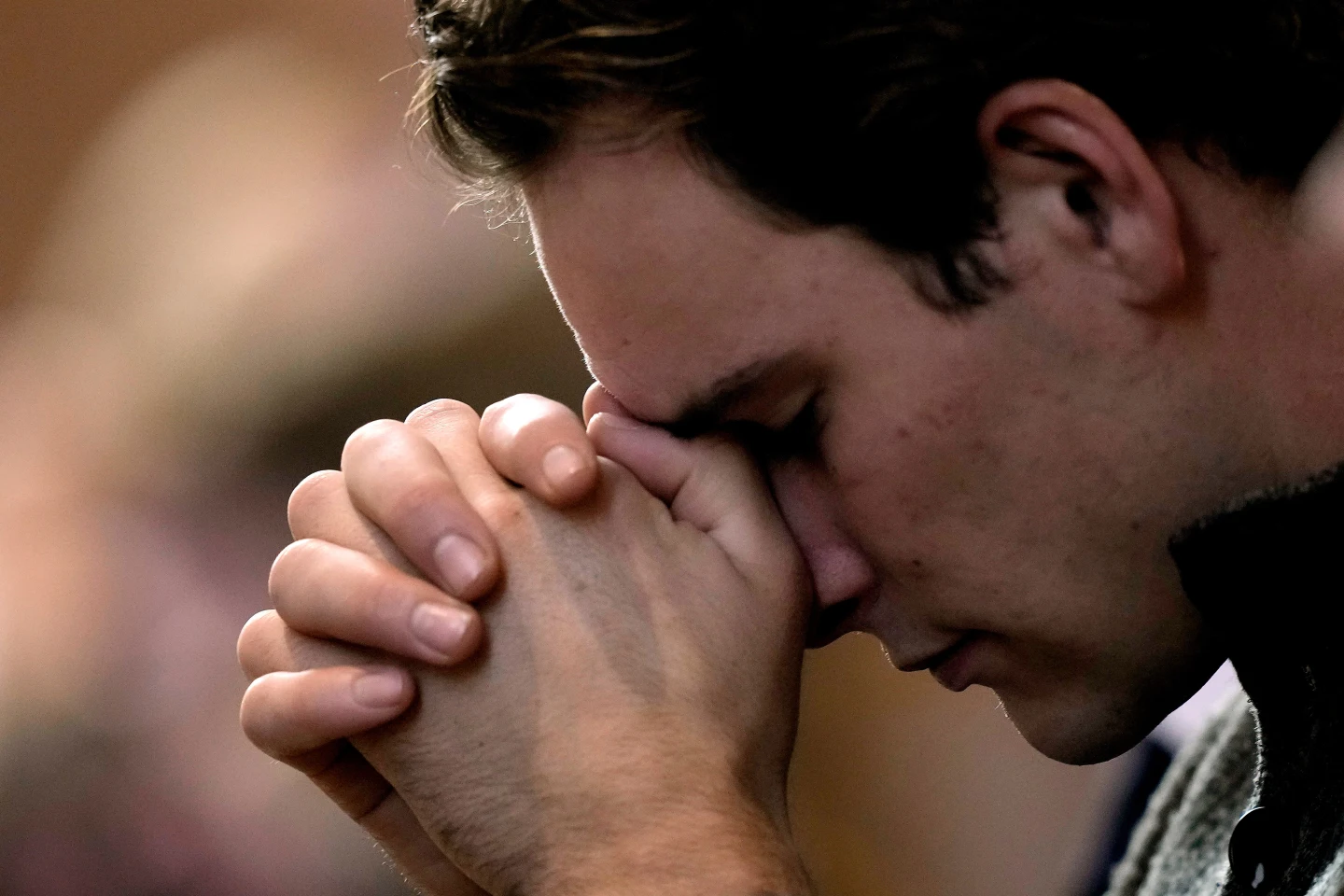
A new Gallup poll released Thursday shows that more young men in the U.S. now say religion is 'very important' in their lives compared to young women — marking a notable shift in religious sentiment for the first time in 25 years.
According to Gallup’s latest data, 42% of men ages 18-29 express that religion plays a significant role in their lives, up from just 28% in 2022-2023. Meanwhile, the religiosity among young women has remained stagnant at around 30%.
This represents a significant reversal from previous decades when young women typically exhibited higher degrees of religious involvement. Over recent years, the religiosity between young men and women had been fairly equal until this latest data emerged.
Interestingly, this increase in religiosity is largely driven by young men identifying as Republicans. Their attendance to religious services has risen significantly since 2019, contrasting sharply with the decline observed among young Democratic men and women.
Political scientist Ryan Burge from Washington University in St. Louis notes that this change may fundamentally alter societal norms, stating that the reversal of the gender gap in religion among young adults is a 'seismic change' and could influence how future generations are raised.
Furthermore, men appear to be gravitating toward religious spaces more than ever, as these platforms seem to offer them a sense of acceptance in a society that increasingly prioritizes diversity and inclusion in other areas.
On moral questions, young men are diverging from their female counterparts, with many expressing traditional views on issues such as divorce and abortion. Pew Research indicates that 40% of young men consider divorce morally wrong compared to only 20% of young women, and similar discrepancies exist on other ethical matters.
Rabbi Nicole Guzik remarked on the growing interest in religious affiliations, emphasizing that faith is increasingly valued for its role in providing community and belonging during turbulent times.
The Gallup findings reflect not only changing attitudes among young men but also highlight a broader context wherein traditional religious doctrines are influencing and potentially shaping the values of a new generation amidst evolving societal landscapes.