With control of Congress on the ballot in November, state attorney general races can get lost in the shuffle. But just outside the election spotlight, there are partisan groups, corporate interests, and advocacy networks revving up campaigns for offices that are playing a growing role in American politics.
The group of Republican organizations dedicated to these contests reported raising a record amount of money last year, pulling in $29 million in preparation for the 2026 midterms. Democratic counterparts said they brought in $28 million, twice as much as usual at this stage of the election cycle.
Some 30 seats are on the ballot this year. Money is pouring in from technology companies, tobacco companies, and others, all of which could face scrutiny from states’ top legal officers. The money includes millions from law firms, unions, and ideological groups, and it reflects the rising stature of the job in national policy and as a springboard for higher office.
“Because we try to solve so many of our problems with lawsuits, the office of attorney general has become more important,” said James Tierney, a former Maine attorney general who teaches about the position at Harvard.
Attorneys General are Key to Political Benches
At least six current attorneys general are running for governor this year. Ten current governors first won the position as they wrapped up their attorney general terms, including three elected in 2024.
When Kamala Harris, a former California attorney general, ran for president in 2024, three of the finalists to be her running mate — Andy Beshear of Kentucky, Roy Cooper of North Carolina, and Josh Shapiro of Pennsylvania — were each a former attorney general serving as governor.
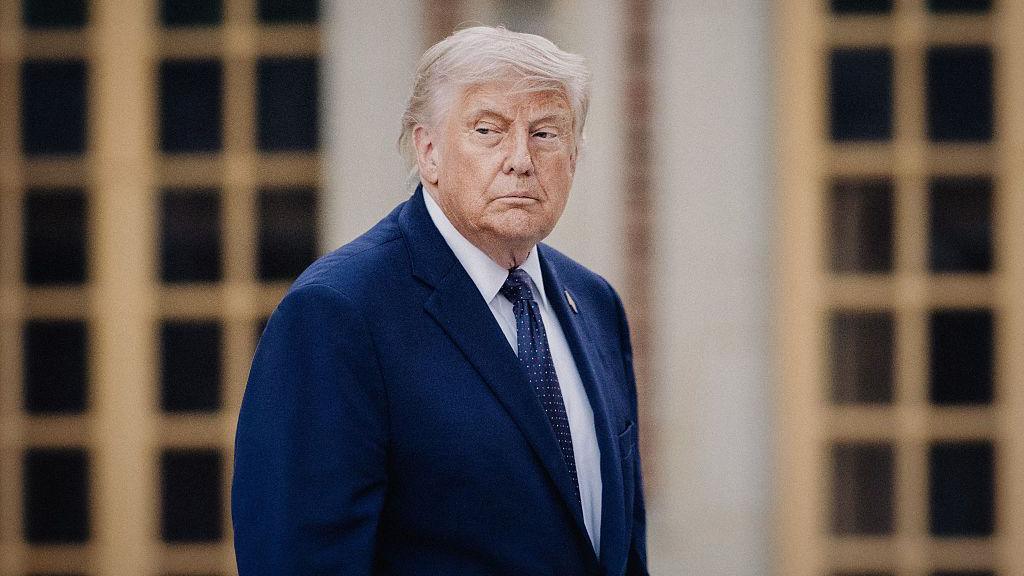
On the Republican side, President Donald Trump’s attorney general, Pam Bondi, previously served in that role in Florida.
Adam Piper, executive director of the Republican Attorneys General Association, stated, “The AGs used to be the underdogs in the races for top-of-the-ballot offices. Now, they’re the favorite in them.”
Some of the races that are priorities for the party organizations are in swing states where Democrats won in 2022: Arizona, Michigan, Nevada, and Wisconsin. Meanwhile, Democrats believe they could seize seats in Republican-leaning territories such as Georgia, Kansas, and Ohio, while Republicans are targeting pickups in Minnesota and New York.
In Texas, Flexing Legal Muscle Across State Lines
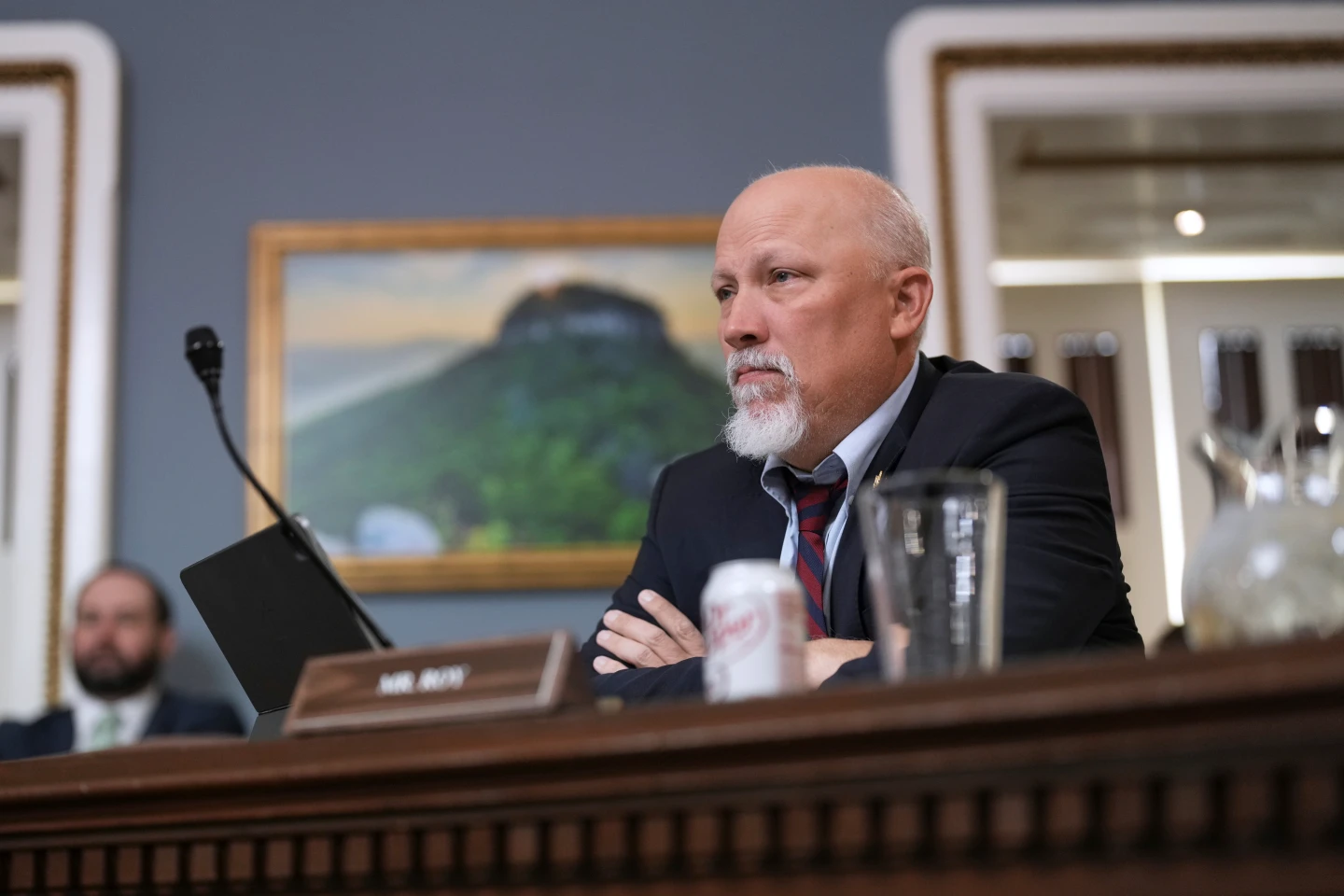
In Texas, U.S. Rep. Chip Roy, among the former and current members of Congress from both parties running for attorney general, is in a tight race against state Sen. Mayes Middleton for the party’s nomination.
Ken Paxton, the current officeholder, is in a runoff for the GOP nomination for U.S. Senate against incumbent John Cornyn, another former attorney general. Paxton has made headlines for his controversial tenure, including investigations into gender-affirming care for minors and abortion cases that have crossed state lines.
Both Roy and Middleton have vowed to combat what they term the “Islamification” of Texas. Middleton has even solicited investigations into financier George Soros, reflecting the growing trend of targeting perceived adversaries within these races.
Frequent Lawsuits Against Trump’s Administration
This month, 24 Democratic officials — 22 attorneys general and two governors in states with Republican attorneys general — filed a lawsuit against the Trump administration over attempts to impose tariffs after the U.S. Supreme Court struck down a previous version.
With more than 80 lawsuits filed against the administration by Democratic attorneys general, including numerous favorable rulings, this legal action is seen as a pivotal mechanism for accountability during Republican congressional control.
In Arizona, The Fate of a High-Profile Prosecution
Arizona’s Attorney General Kris Mayes, a Democrat, won her seat by a narrow margin and claims her lawsuits against the administration have saved the state money and protected key programs. Her predecessor’s criminal prosecutions against Trump loyalists are now a focal point of debate in the upcoming elections.
As she faces challenges from the Republican candidates who aim to overturn her actions, the outcome could further influence the political landscape and legal battles surrounding election integrity and accountability in the state.