SIOUX FALLS, S.D. (AP) — Millions of Americans now have an easier path to Canadian citizenship, following the introduction of a new law. The legislation has prompted many to explore their ancestry and apply for dual citizenship.
American citizens like Zack Loud from Minnesota were surprised to discover that under the new rules, they and their siblings are considered citizens due to their Canadian grandmother.
“My wife and I were considering job opportunities outside the U.S., but this citizenship makes Canada much more appealing,” he remarked.
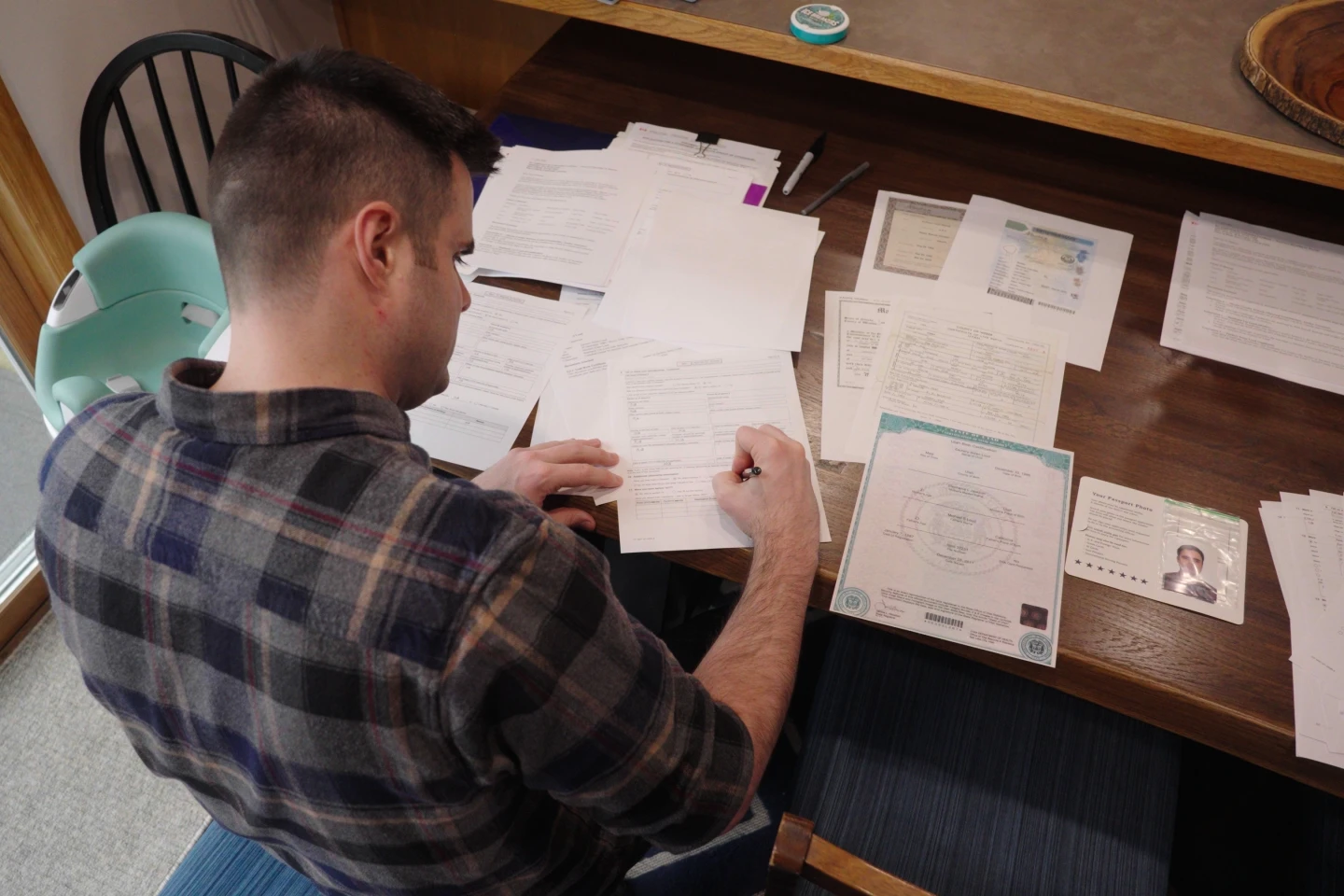
Since the law took effect on December 15, 2025, immigration lawyers across both nations have been inundated with clients needing assistance in filing proof of citizenship applications. The surge is driven by various factors including political tensions, family heritage, and career prospects.
Nicholas Berning, an immigration attorney from Washington state, noted his practice has been “flooded” with inquiries regarding this new once-in-a-lifetime opportunity.
Under the stipulations of the new law, Canadian citizenship by descent is extended to those finding a direct ancestor—grandparents or further back—as long as they can provide proof. Immigration attorney Amandeep Hayer reported that his consultations have escalated to more than twenty per day, a sharp rise from the previous average.
“The legislation allows you to reclaim an identity that you have inherently,” said Hayer, explaining the importance of this newfound recognition for American descendants of Canadians.
Many American applicants cite political discontent as a motivating factor for seeking citizenship. Michelle Cunha from Massachusetts, along with others, expressed frustration with the political climate over the years, indicating they are ready for a change and a new start in a different environment.
Costs for obtaining Canadian citizenship vary, with a straightforward application fee of 75 Canadian dollars, but some applicants seek legal assistance that can escalate costs significantly. While processing times can take up to ten months, the demand remains high, with evidence of over 56,000 individuals currently awaiting decisions.
Canadians exhibit a welcoming attitude toward new citizens but are cautious about individuals without substantial ties to the country. Fen Hampson, a professor of international affairs, emphasized that Canadians appreciate those ready to contribute meaningfully to society.
As interest in Canadian citizenship grows among Americans, experts note the potential for delayed processing for refugees and asylum seekers, as the system could become overwhelmed.