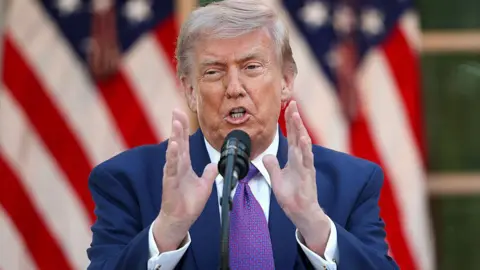
WASHINGTON (AP) — The Food and Drug Administration (FDA) announced Friday that it would present ultra-fast review capabilities to three psychedelic drugs being developed for the treatment of mental health conditions, such as depression. This marks a pronounced shift in federal policy, as President Donald Trump signed an executive order last weekend directing the FDA to expedite access and reduce restrictions on psychedelics, which are still classified as illegal at the federal level.
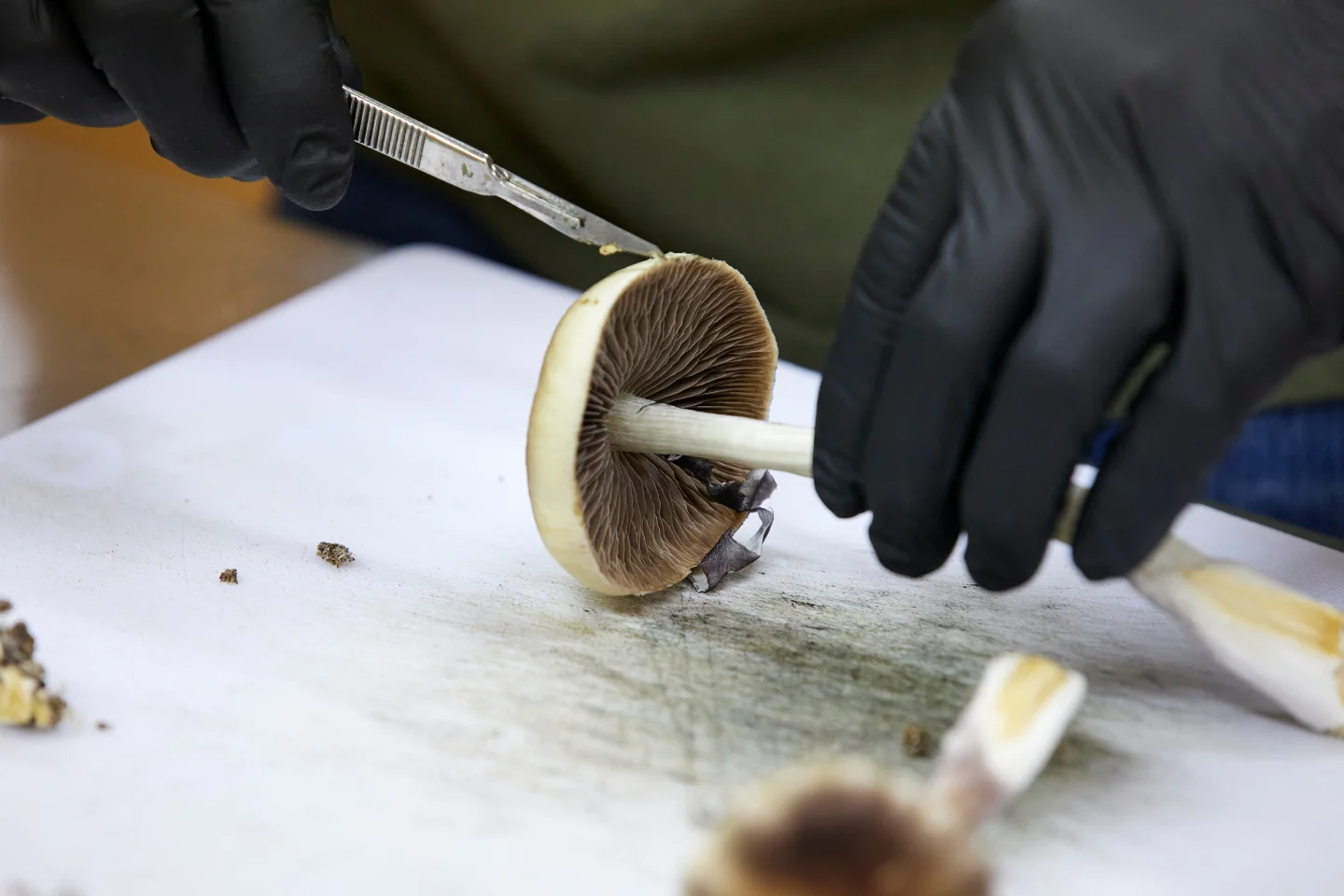
The FDA confirmed that it awarded priority review vouchers to two companies researching psilocybin—the active compound in magic mushrooms—for severe cases of depression, as well as to a third company developing methylone, related to MDMA, intended for post-traumatic stress disorder treatment. The specific companies involved were not disclosed in the FDA’s announcement.
Though the vouchers do not guarantee drug approval, they aim to narrow the review process from months down to weeks.
Recent developments in psychedelic research mirror the increasing popular support for these mind-altering substances among Trump’s constituents, notably among combat veterans and advocates of the Make America Healthy Again movement. This initiative is led by Health Secretary Robert F. Kennedy Jr., who has actively lobbied for making psychedelics available for challenging psychiatric conditions within a year.
Further, the FDA has initiated testing for a drug derived from ibogaine, a powerful psychedelic from an African shrub, targeting alcohol addiction issues. One research entity leading this testing, DemeRx, claims that their ibogaine metabolite poses lesser risks compared to its parent compound.
Supporting these changes, figures such as podcaster Joe Rogan have influenced the discourse surrounding psychedelics, engaging with President Trump directly about the potential for expedited FDA approval.
As discussions on psychedelics gain momentum, they are provoking scrutiny of the FDA’s rapid drug review programs, especially considering allegations that such vouchers may favor certain politically connected companies. With a history of regulatory challenges and risks associated with these substances, the future of psychedelic treatments continues to be an evolving landscape.
The FDA confirmed that it awarded priority review vouchers to two companies researching psilocybin—the active compound in magic mushrooms—for severe cases of depression, as well as to a third company developing methylone, related to MDMA, intended for post-traumatic stress disorder treatment. The specific companies involved were not disclosed in the FDA’s announcement.
Though the vouchers do not guarantee drug approval, they aim to narrow the review process from months down to weeks.
Recent developments in psychedelic research mirror the increasing popular support for these mind-altering substances among Trump’s constituents, notably among combat veterans and advocates of the Make America Healthy Again movement. This initiative is led by Health Secretary Robert F. Kennedy Jr., who has actively lobbied for making psychedelics available for challenging psychiatric conditions within a year.
Further, the FDA has initiated testing for a drug derived from ibogaine, a powerful psychedelic from an African shrub, targeting alcohol addiction issues. One research entity leading this testing, DemeRx, claims that their ibogaine metabolite poses lesser risks compared to its parent compound.
Supporting these changes, figures such as podcaster Joe Rogan have influenced the discourse surrounding psychedelics, engaging with President Trump directly about the potential for expedited FDA approval.
As discussions on psychedelics gain momentum, they are provoking scrutiny of the FDA’s rapid drug review programs, especially considering allegations that such vouchers may favor certain politically connected companies. With a history of regulatory challenges and risks associated with these substances, the future of psychedelic treatments continues to be an evolving landscape.