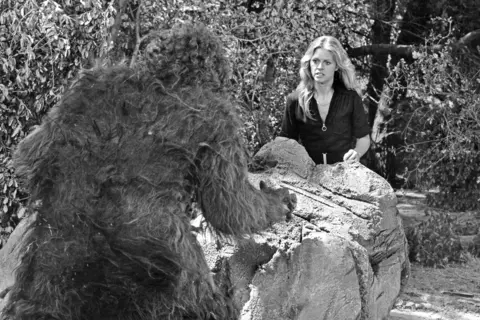
For decades, the mystery of Bigfoot has captivated many, whether as a hoax or a possibly undiscovered species. A cultural icon since a grainy footage of a large, ape-like creature surfaced in 1967 in California, the debate over Bigfoot's existence has persisted for nearly 60 years.
To explore this odd fascination, sociologists Dr. Jamie Lewis from Cardiff University and Dr. Andrew Bartlett from the University of Sheffield conducted extensive interviews with over 160 individuals who earnestly pursue proof of Bigfoot's existence.
According to Dr. Lewis, Bigfoot exists - at least as a known object that people shape their lives around, affirming the dedication of many in the community. The researchers spent more than three years interviewing believers, skeptics, and academics while examining the motivations behind those passionate about Bigfoot.
Bigfoot hunters, known colloquially as 'Bigfooters', typically venture into dense forests equipped with sophisticated tools like drones and infrared cameras, driven largely by childhood encounters or the influence of others.
The Bigfoot community is characterized significantly by its members—often middle-aged white men, many of whom hail from blue-collar backgrounds and have military experience. This group frequently takes part in extensive expeditions and engages in making 'calls' that mimic Bigfoot, as many believe the creature communicates through such sounds.
Testimonials from veterans of Bigfoot hunting reveal personal interactions that fuel continued interest and dedication. One investigator, Glenn Adkins, recounts his firsthand encounter: It was standing right there and looking at us... both froze of course. The last thing on my mind was getting a picture. Such stories illustrate a passionate commitment among researchers, who are often vindicated by compelling, though scientifically unverified, evidence captured during their pursuits.
While some skeptics attribute sightings to misinterpretations of wildlife or deliberate hoaxes, a significant number—nearly a quarter of Americans based on a recent survey—remain convinced of Bigfoot's realness.
Striking a balance, researchers like Lewis and Bartlett seek to validate the perspectives of dedicated individuals in this community while maintaining scientific rigor. They understand the narratives of the Bigfooters they interview, acknowledging that some tales induce a certain level of belief, even in those who approach the subject skeptically.
Ultimately, as these sociologists argue, Bigfoot represents more than a mythical creature; it signifies a longing for adventure and an enchanting mystery that continues to resonate deeply within the culture.