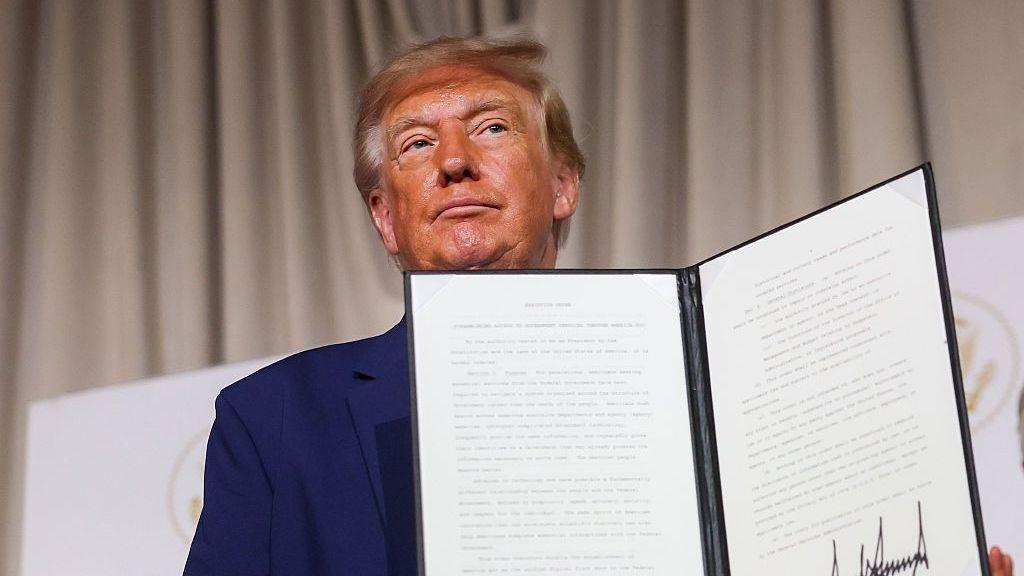
On April 21, 2026, the Trump administration made waves by announcing a key decision regarding the classification of medical marijuana. Acting Attorney General Todd Blanche signed an order that shifts state-licensed medical marijuana from Schedule I to Schedule III, a significant change that reflects a major shift in the government’s approach to cannabis regulation.
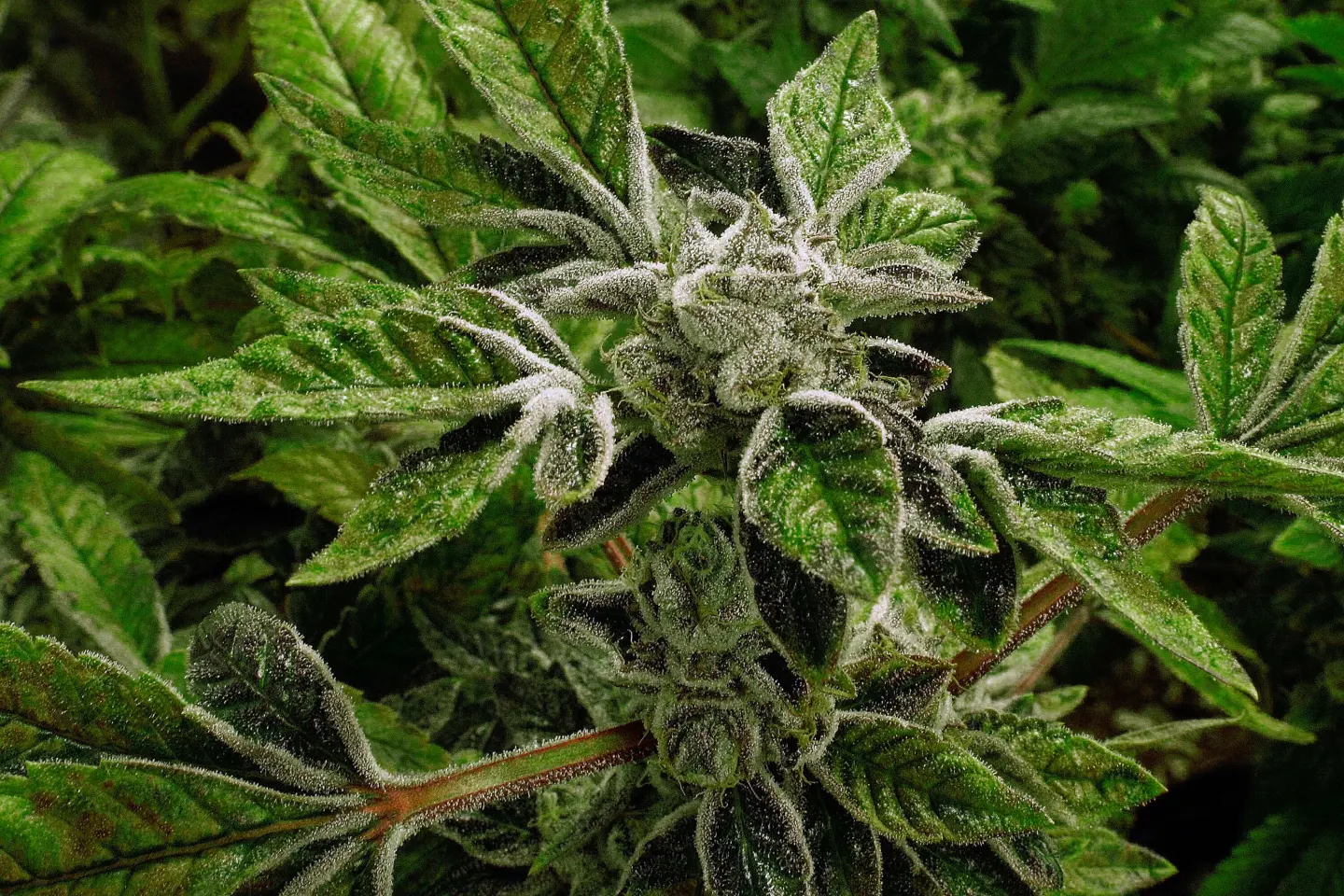
This new classification recognizes the medical use of cannabis, previously treated harshly under federal law alongside drugs like heroin. While the order does not legalize marijuana, it allows for more flexible regulation that could greatly benefit patients and health practitioners.
In a statement, Blanche emphasized the importance of delivering on President Trump's commitment to expand access to medical treatment options. He stated, “This rescheduling action allows for research on the safety and efficacy of this substance, ultimately providing patients with better care and doctors with more reliable information.”
The implications of this order are extensive. It positions medical marijuana as a legitimate option for patients seeking relief while also encouraging more research on its therapeutic uses. Furthermore, it paves the way for tax deductions for medical marijuana businesses, enhancing their financial viability.
Despite the positive reception from advocates, the new rules could spark concerns among those wary of the potential effects of loosening cannabis regulations, especially in states where both recreational and medical use are allowed.
The reclassification aligns with a broader trend across many states, which indicate a growing acceptance of cannabis in therapeutic settings. Currently, 40 states have medical marijuana programs, while two dozen states and Washington, D.C., have fully legalized recreational use.
This decision represents not just a policy shift but also a potential cultural change, positioning the U.S. to adapt to the evolving landscape around medical marijuana amid a backdrop of ongoing debates about drug policy. With regulations still in flux, states will need to clarify how operations for both medical and recreational sales will interact with this newly established framework.
As the Trump administration prepares for further action, including a new administrative hearing process set to begin by June, one thing remains clear: the landscape of U.S. marijuana policy is changing, focusing increasingly on the medical potential of cannabis.