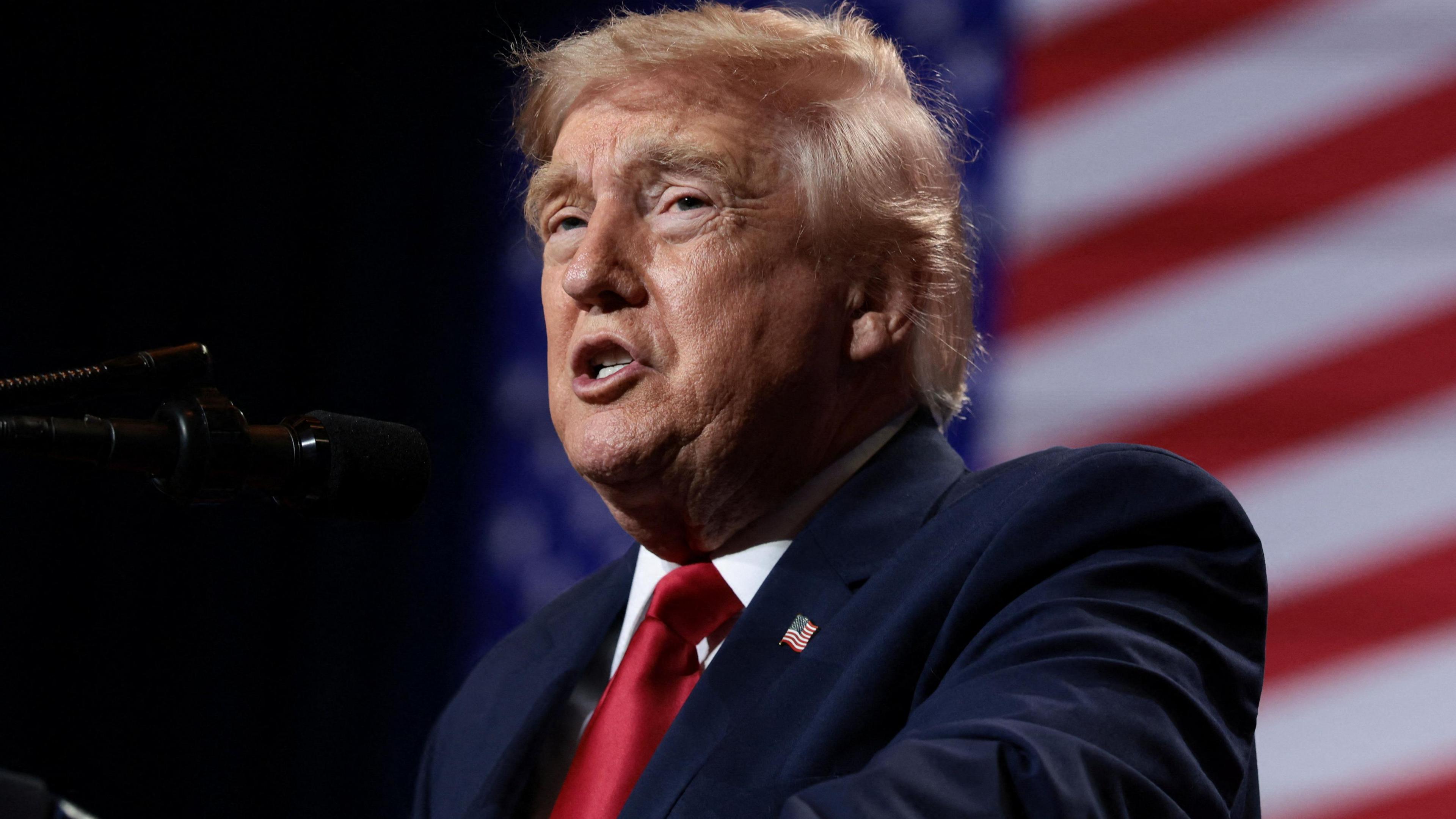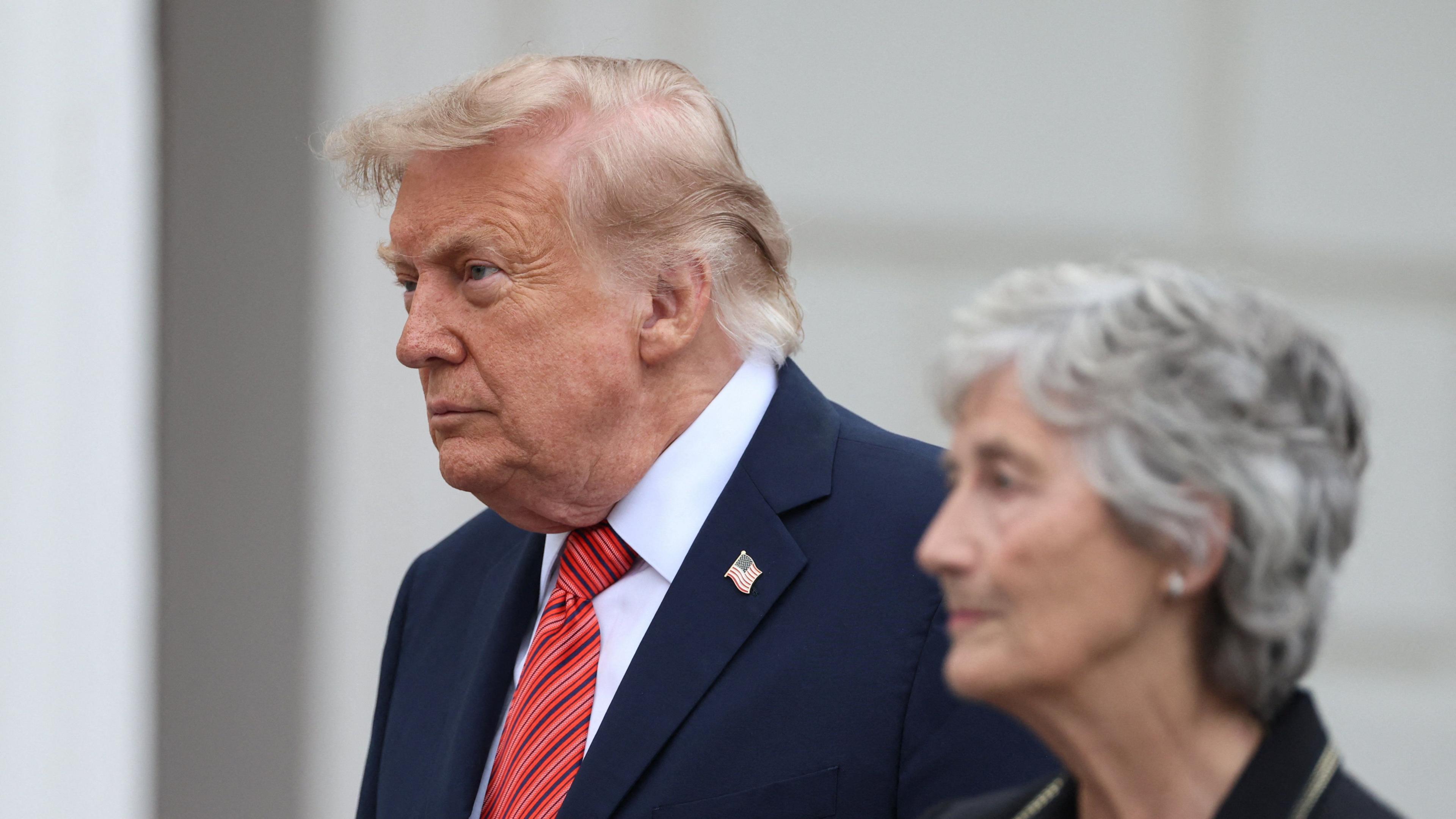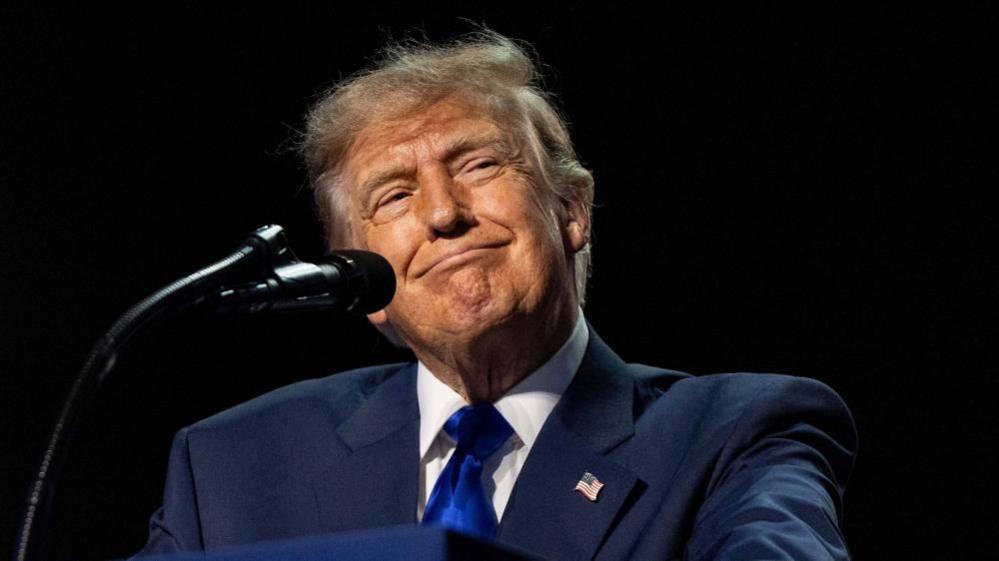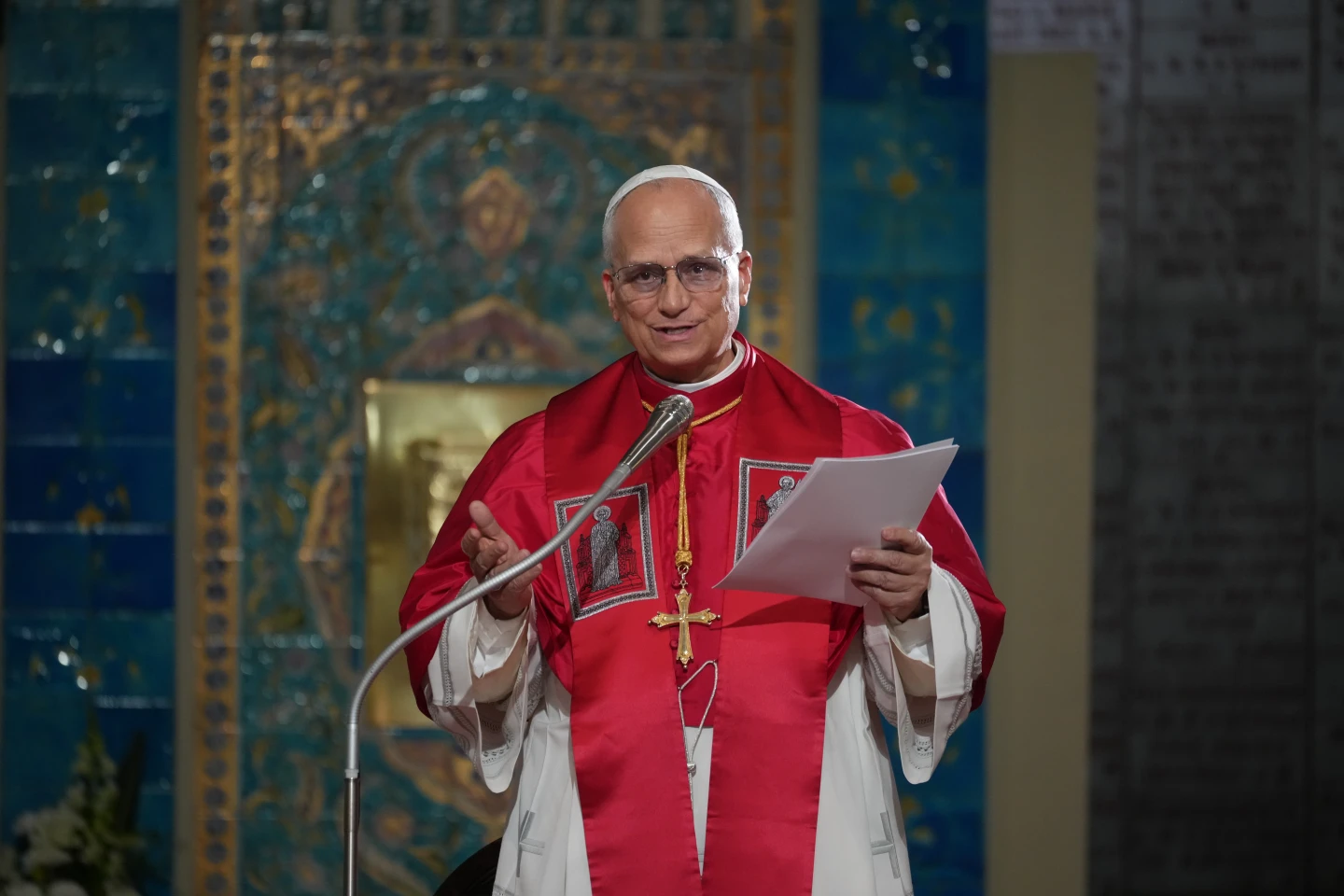
WASHINGTON (AP) — Donald Trump, who enjoyed considerable support from U.S. Catholic voters during his 2024 presidential victory, is now facing significant backlash following his public criticism of Pope Leo XIV, the first American pope. This conflict emerges as Trump continues to navigate his relationship with religious constituencies, especially influential Catholic bishops.
Pope Leo XIV has responded to Trump's remarks emphasizing that his focus is on promoting peace, not directly criticizing any individual. This has done little to quell rising discontent among conservative Catholic leaders.
Catholic Archbishop Paul Coakley and Bishop Robert Barron have publicly condemned Trump's remarks, labelling them as “entirely inappropriate and disrespectful.” Barron, who only days earlier had welcomed Trump to the White House as an Easter guest, now sees a need for an apology.
The evangelicals, who have been crucial supporters of Trump, are also reacting negatively. Some notable figures, including David Brody, a conservative commentator, admonished Trump on social media for comparing himself to Christ.
“TAKE THIS DOWN, MR. PRESIDENT,” Brody urged. “You’re not God. None of us are. This goes too far. It crosses the line.”
By midday Monday, Trump appeared to have removed the contentious image from his social media platform, Truth Social. He subsequently claimed he had no intention of presenting himself as a Christ-like figure but instead intended to portray himself as a healer.
Looking ahead to the midterm elections, Trump remains unpopular among some segments of the Catholic vote. Historical patterns show that while U.S. presidents have often had policy disagreements with the Vatican, the current exchange of criticisms represents an unprecedented level of discord. Political experts have voiced concerns that this conflict could lead to significant shifts in loyalty among Catholic voters.
Despite criticisms, some of Trump's allies maintain confidence that his faith-based policies will overshadow this recent controversy. Ralph Reed, a member of Trump's faith advisory board, expressed optimism for the president’s support among religious voters.
This emerging tension poses questions not only for Trump's relationship with the Catholic Church but also for how it could impact his broader appeal leading up to the midterms.