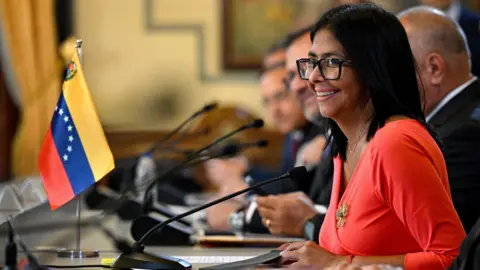
Human rights groups in Venezuela have criticized interim President Delcy Rodríguez for stating that a scheme to release political prisoners is 'coming to an end' after only nine weeks of implementation.
According to the prisoner rights organization Foro Penal, nearly 500 political prisoners have been released under an amnesty law passed by the National Assembly, but many more are believed to remain imprisoned.
Foro Penal contends that Rodríguez does not have the authority to halt the releases, while the watchdog group Provea characterized the decision as 'arbitrary and unconstitutional.'
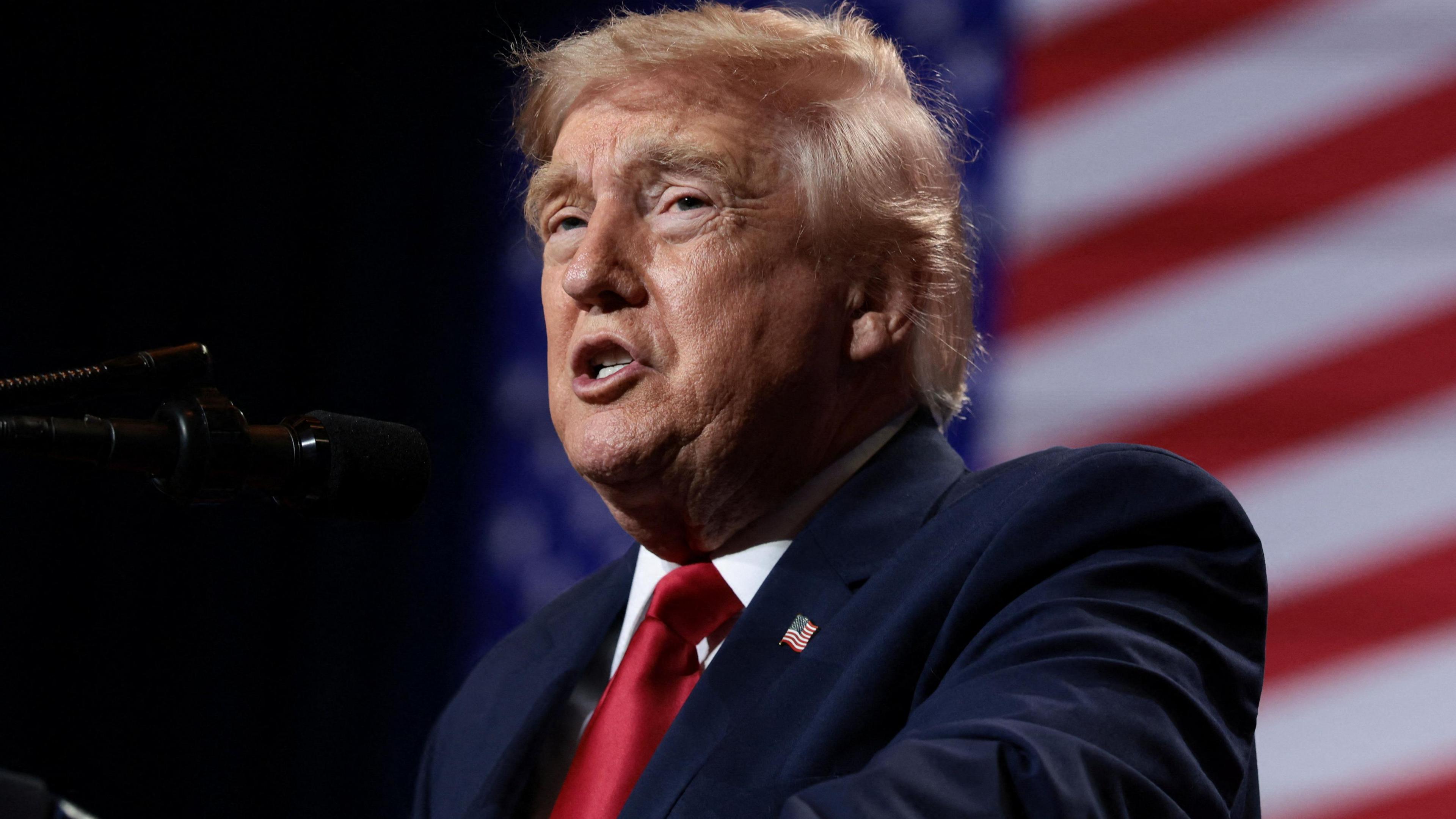
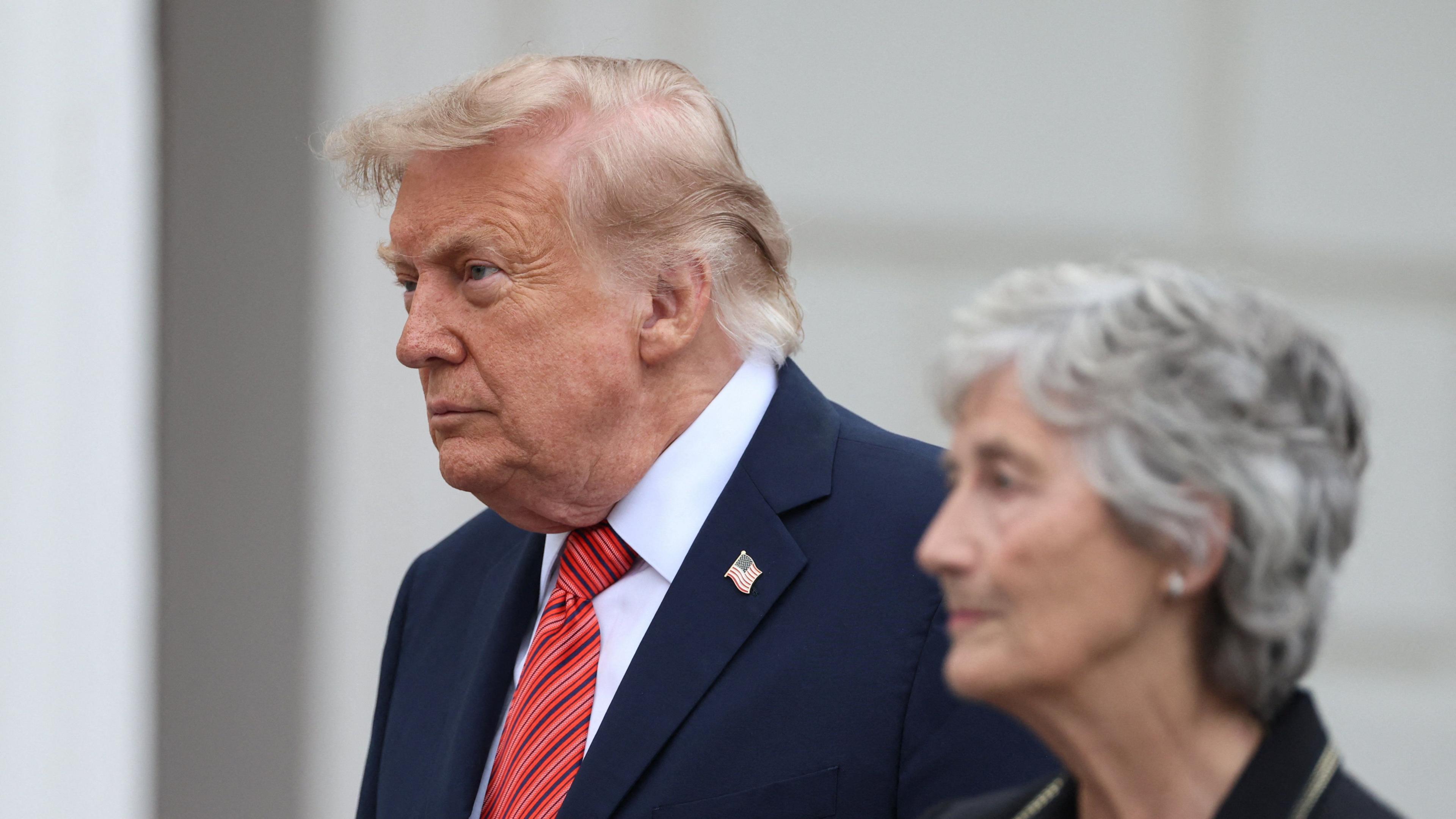
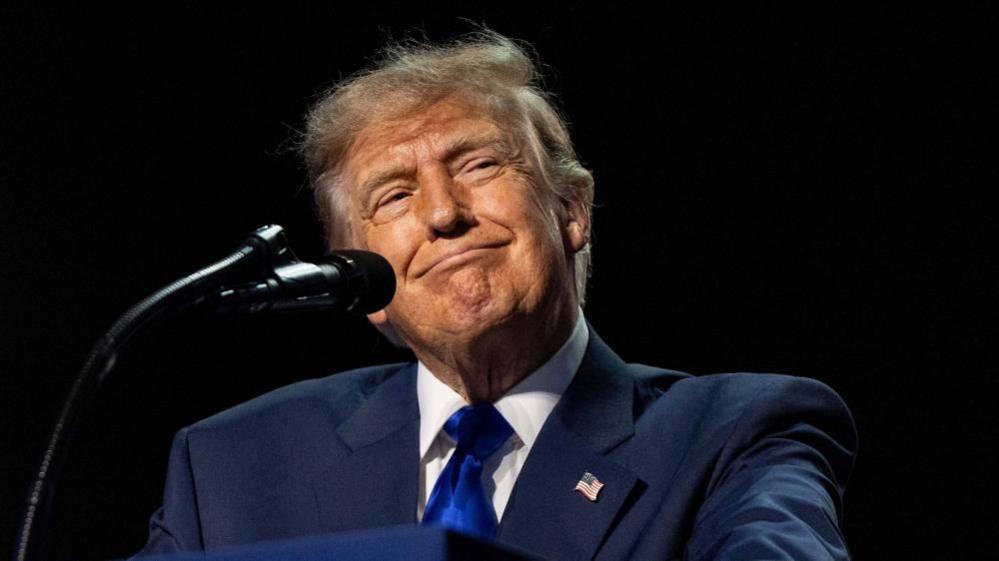
Despite being a key ally of former President Nicolás Maduro, Rodríguez's interim administration has unexpectedly garnered support from former President Donald Trump, who endorsed her over opposition leader María Corina Machado. The release of political prisoners, including Machado's associates, was a significant concession made to the US.
The National Assembly president, Jorge Rodríguez (Delcy's brother), initially announced that 1,557 political prisoners had applied for amnesty, with the law intended to eventually cover about 11,000 individuals.
As of April 20, Foro Penal reported that 473 political prisoners had been released, while estimates suggest that over 500 remain incarcerated.
During a meeting of justice officials in Caracas, Delcy Rodríguez claimed that 8,616 individuals have been freed under the amnesty law, which she deemed a 'very successful' endeavor. She also mentioned that alternative legal avenues exist for cases outside the law's scope.
However, Foro Penal vice-president Gonzalo Himiob remarked that only another legislative action or referendum can revoke the amnesty law, which lacks an expiration date. He argued that the judicial bodies, part of the same repressive system that necessitated the law, have not shown the willingness or ability to apply it effectively.
The organization Provea expressed that ending the release of political prisoners undermines the declared efforts for peace and coexistence. They noted that, despite its limitations, the Amnesty Law was a crucial initial step towards dismantling the oppressive structure that has suppressed the rights of Venezuelans.
Meanwhile, the Justice, Encounter and Pardon group condemned the announcement as a severe violation of the rule of law, suggesting it reveals an inclination towards political rhetoric rather than earnest action to liberate political prisoners.
Under Maduro's rule, the government has systematically used political prisoner detentions to quell dissent and silence critics. Rodríguez has attempted to portray her interim government as more tolerant of political opposition while seeking to gain favor with the US.
This month, the US lifted sanctions against her, citing progress toward stability, economic recovery, and political reconciliation. Trump's preference for Rodríguez over Machado raises concerns among analysts about prioritizing stability over democratic principles in Venezuela.
US Secretary of State Marco Rubio recently characterized the ongoing situation in Venezuela as a 'transition phase' before conducting 'free and fair' elections. Machado, for her part, has stated her intention to lead the country when the appropriate moment arises.
Nonetheless, critics have noted a distinct lack of discussion regarding democratic elections since the removal of Maduro by US forces, who have brought him and his wife to New York for trial on drug trafficking charges.