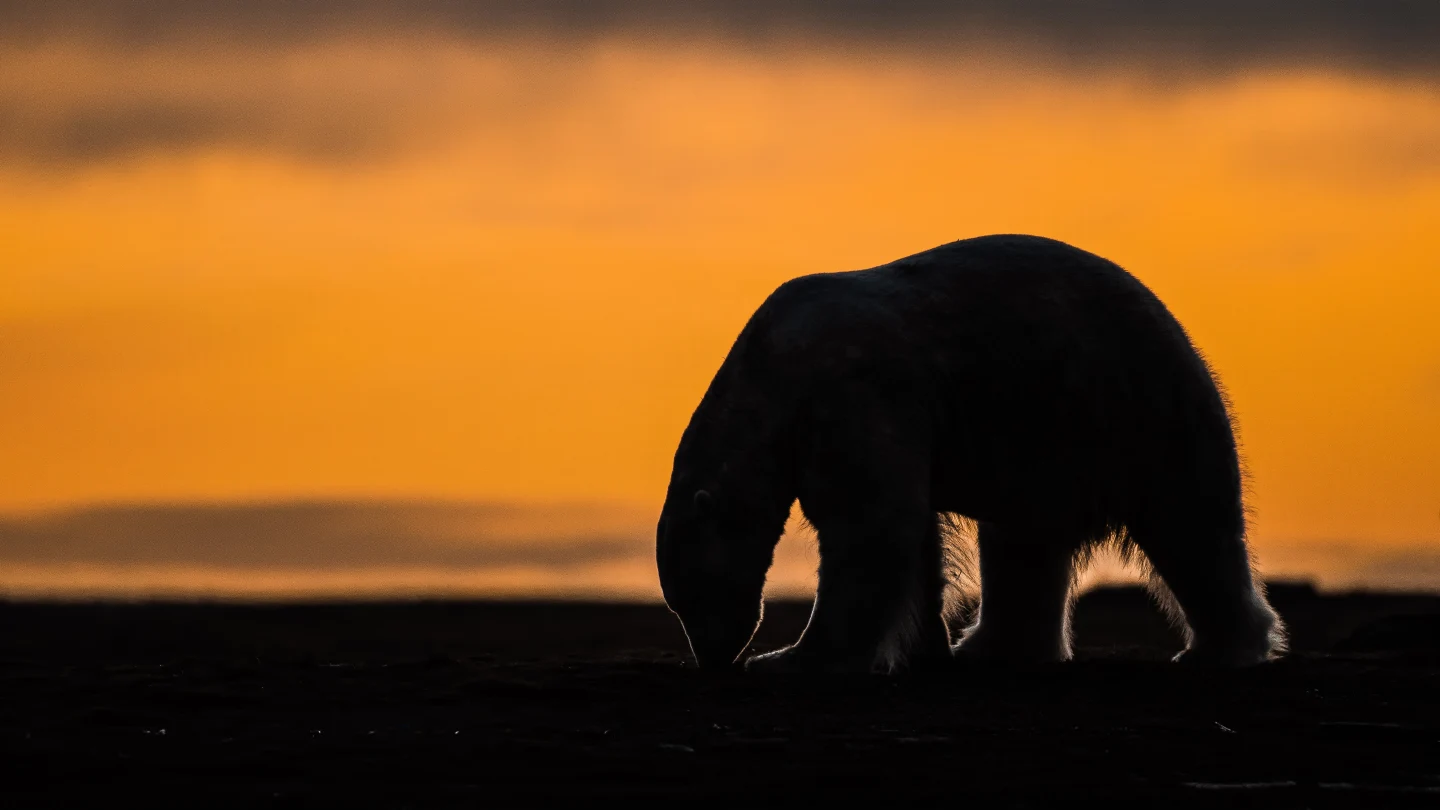
Scientists expected the opposite, but polar bears in the Norwegian Arctic archipelago of Svalbard have become fatter and healthier since the early 1990s, all while sea ice has steadily declined due to climate change.
Polar bears rely on sea ice as a platform from which to hunt the seals that they rely on for blubber-rich meals. The bears' fat reserves provide energy and insulation and allow mothers to produce rich milk for cubs.
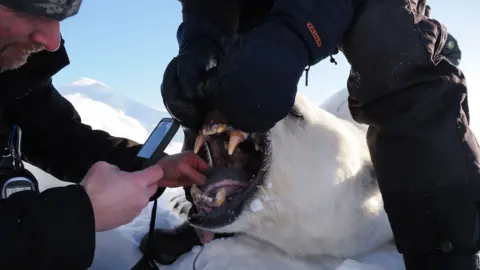
Researchers weighed and measured 770 adults in Svalbard between 1992 and 2019 and found that bears had become significantly fatter.
They think that Svalbard bears have adapted to recent ice loss by eating more land-based prey, including reindeer and walruses.
The discovery, published in Scientific Reports, was particularly puzzling because of the impact of climate change in Svalbard.
During the same period that this research was carried out, global temperature rise has reduced the number of ice-free days per year in the region by almost 100 - at a rate of about four days each year.
Lead researcher Dr. Jon Aars from the Norwegian Polar Institute explained, The fatter a bear is the better it is, and I would have expected to see a decline in body condition when the loss of sea ice has been so profound.
Walruses have been officially protected in Norway since the 1950s, after they were hunted to near extinction. That protection has boosted their numbers, and apparently provided a new source of fatty food for polar bears. There are a lot more walruses around [for them to hunt] these days, said Aars.
However, while this is unexpected good news for these Arctic predators, the researchers think it is unlikely to last. As the sea ice continues to decline, bears will have to travel further to access hunting grounds, using more energy and depleting precious fat reserves.
The charity Polar Bears International points out that Svalbard's polar bears were some of the most heavily-hunted in the world, until international protections were introduced in the 1970s.
Experts think the new findings could be linked to the population recovering from that hunting pressure. That, combined with an increase in the number of walruses - and of reindeer - in recent decades, appears to have provided the bears with a temporary boost.
Dr. John Whiteman, chief research scientist at PBI, described the results as positive in the short term, but cautions: Ice loss ultimately means bear declines, but this study shows that the short-term picture can be very region-specific.
Overall, the long-term survival of polar bears remains in jeopardy, as Dr. Whiteman adds, if ice loss continues unchecked, we know the bears will eventually disappear.