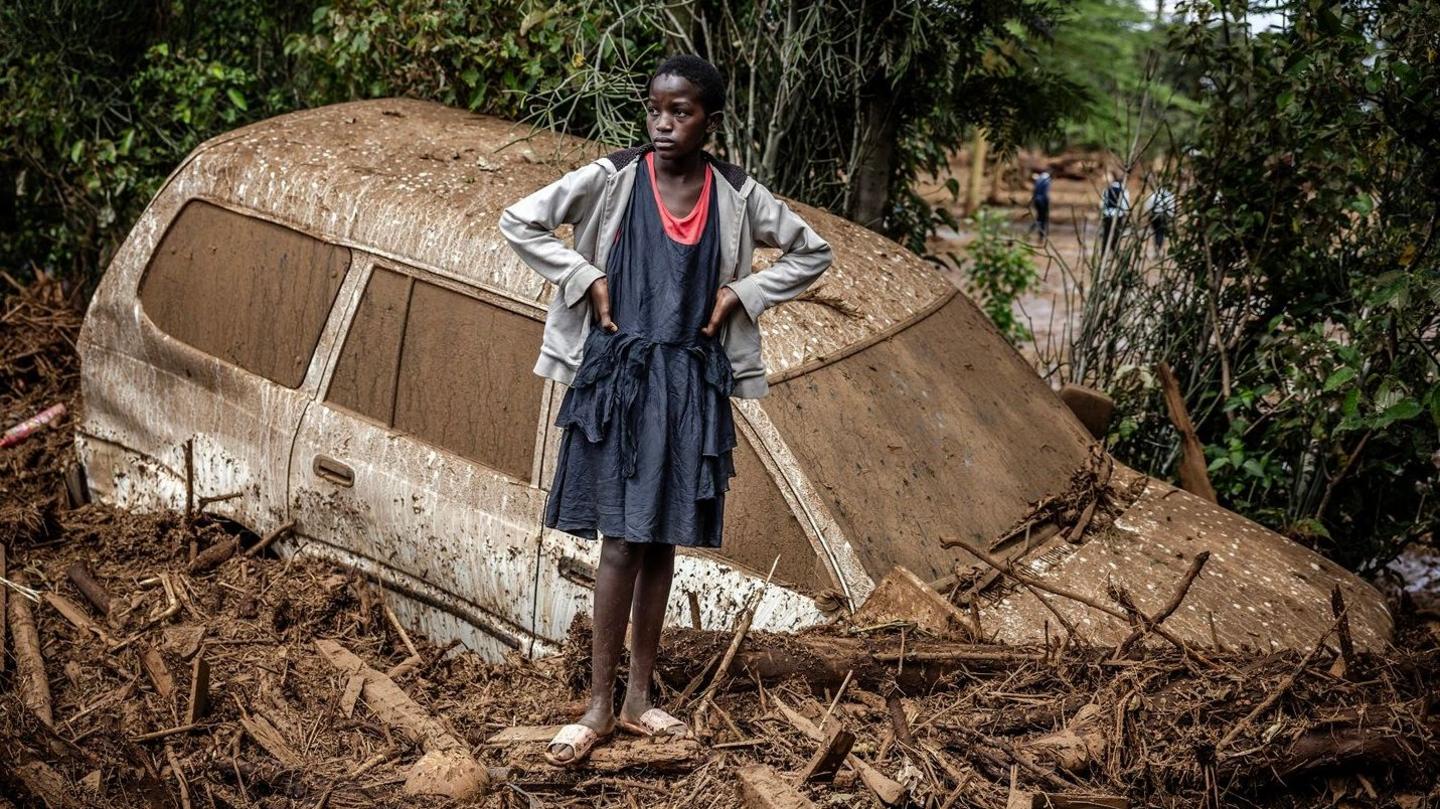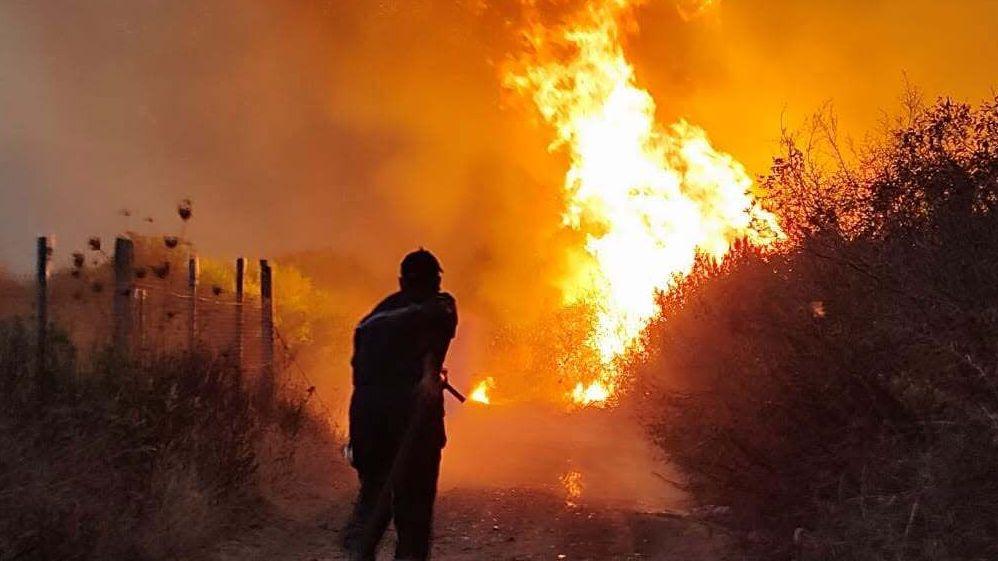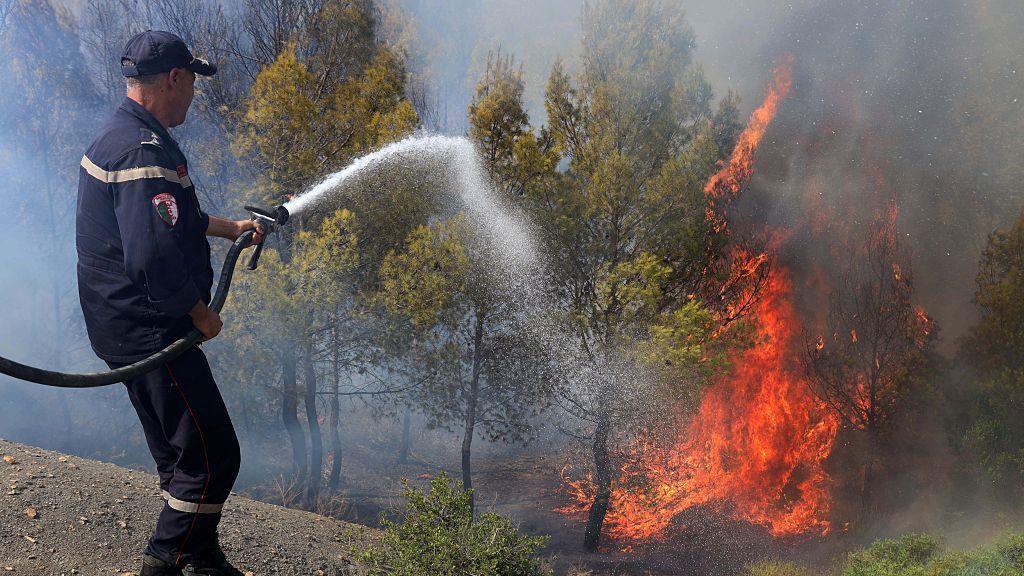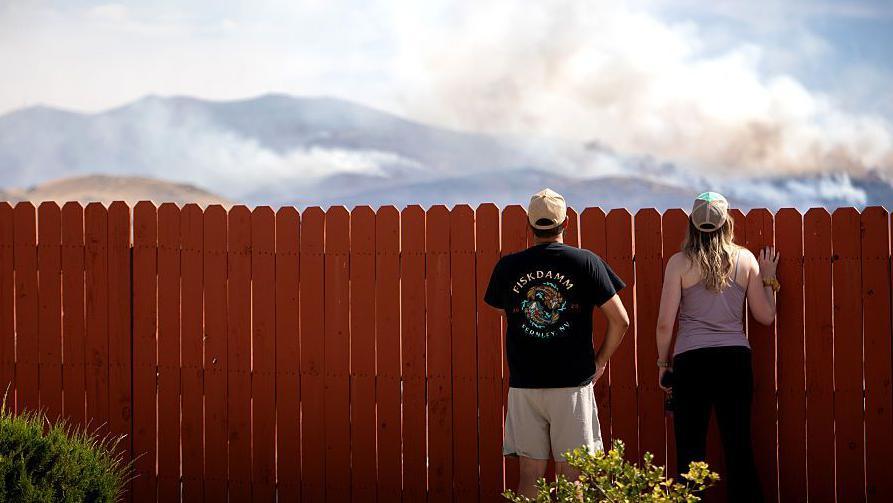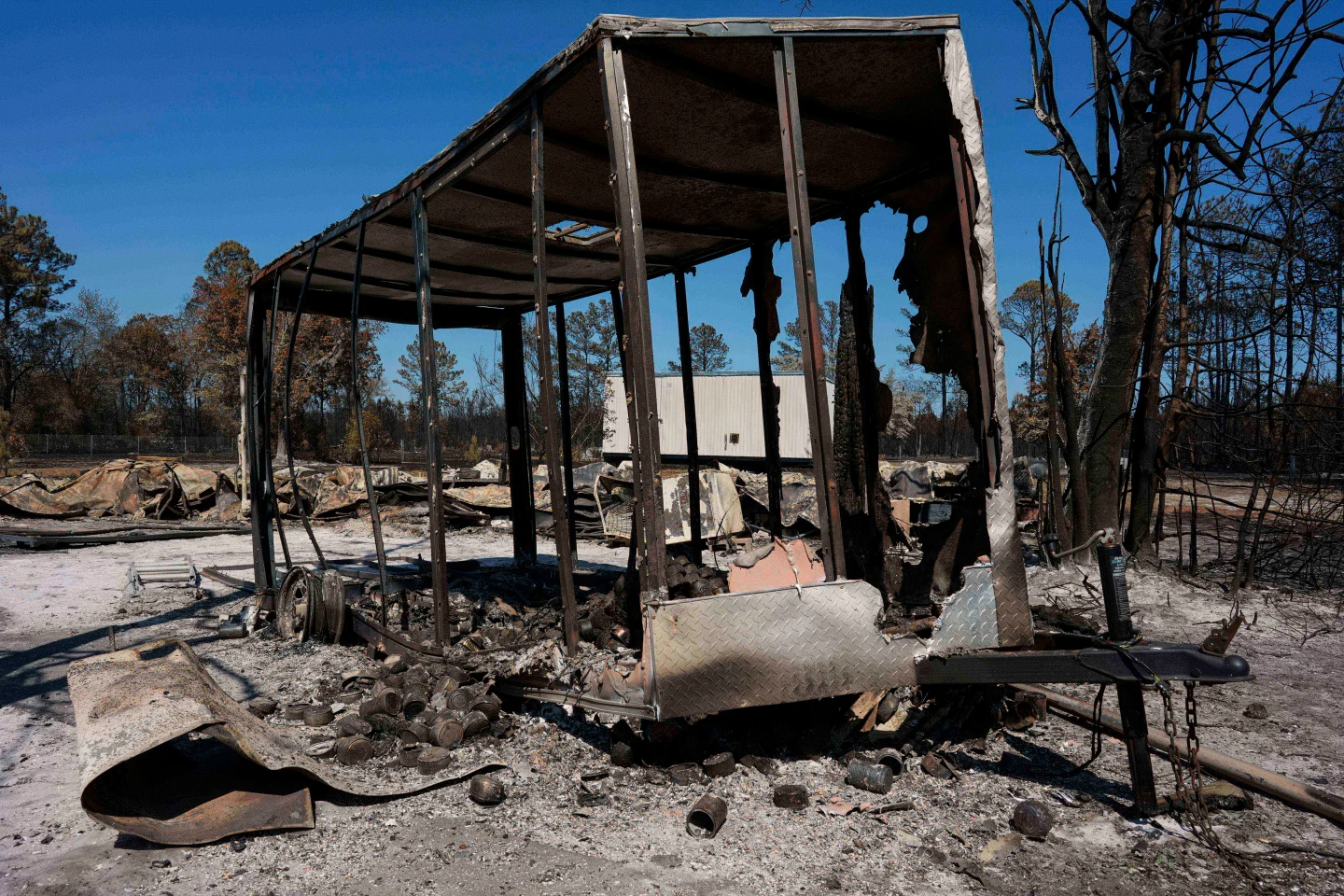
Wildfires are increasingly becoming a pressing issue in the Eastern United States, challenging the long-held perception that severe wildfires are primarily a problem for Western regions. Recent reports indicate that over 50 homes were destroyed in Georgia during a wildfire that scientists believe may be a symptom of larger climactic and environmental issues.
Several factors contribute to the escalating danger. Climate change is causing fuels to dry out and become more flammable, coupled with a record drought that leaves extensive areas vulnerable. The aftermath of Hurricane Helene resulted in the death of tens of millions of trees, which further increases the potential for catastrophic fires.
In total, 2,802 square miles (7,258 square kilometers) of land has burned in wildfires across the U.S. this year, significantly exceeding the ten-year average. This year's spate of fires is attributed to an unusually warm winter and early drought conditions.
The warmer we get, the more fire we see, stated fire scientist Mike Flannigan. He predicts that as temperatures continue to rise, the East will face not only longer fire seasons but also additional challenges from increased lightning and drier fuels.
Escalating Risks in the East
Recent studies indicate a stark increase in large wildfires in the Southeast from 1984 to 2020. Researchers point out that while Eastern fires have traditionally been smaller, the current dynamics reflect a shift that necessitates more attention.
Victoria Donovan, a fire ecologist, stressed the urgency of addressing the growing threat, stating, Even if changes in fire behavior in the East are smaller compared to the West, we need to proactively tackle this issue.
Much of the land affected by these wildfires overlaps with densely populated areas known as the wildland-urban interface (WUI), where the potential for fire damage is particularly pronounced. Donovan and her team underscore that nearly half of all large wildfires in the East occur in these WUI regions.
In addition, the forests on the East Coast tend to be denser and less managed than those in the West, complicating fire control efforts and potential mitigation strategies.
Fueling the Fires
The aftermath of Hurricane Helene has created what experts describe as a 'ticking time bomb' with millions of dead trees serving as fuel for wildfires. Following the hurricane, federal officials issued warnings that the combination of dried conditions and elevated temperatures could lead to more uncontrolled fires.
As dry air persists in the region, moisture is drawn out from available fuels, making them easier to ignite and harder to extinguish. The drier the fuel, the easier it is for a fire to start, Flannigan noted, emphasizing the unique challenges the East is now facing due to climate change and its effects on fire dynamics.
The increased frequency of these devastating fires in the East illustrates an urgent need for better forest management, community preparedness, and strategies for minimizing the impact of climate change on these vulnerable regions.