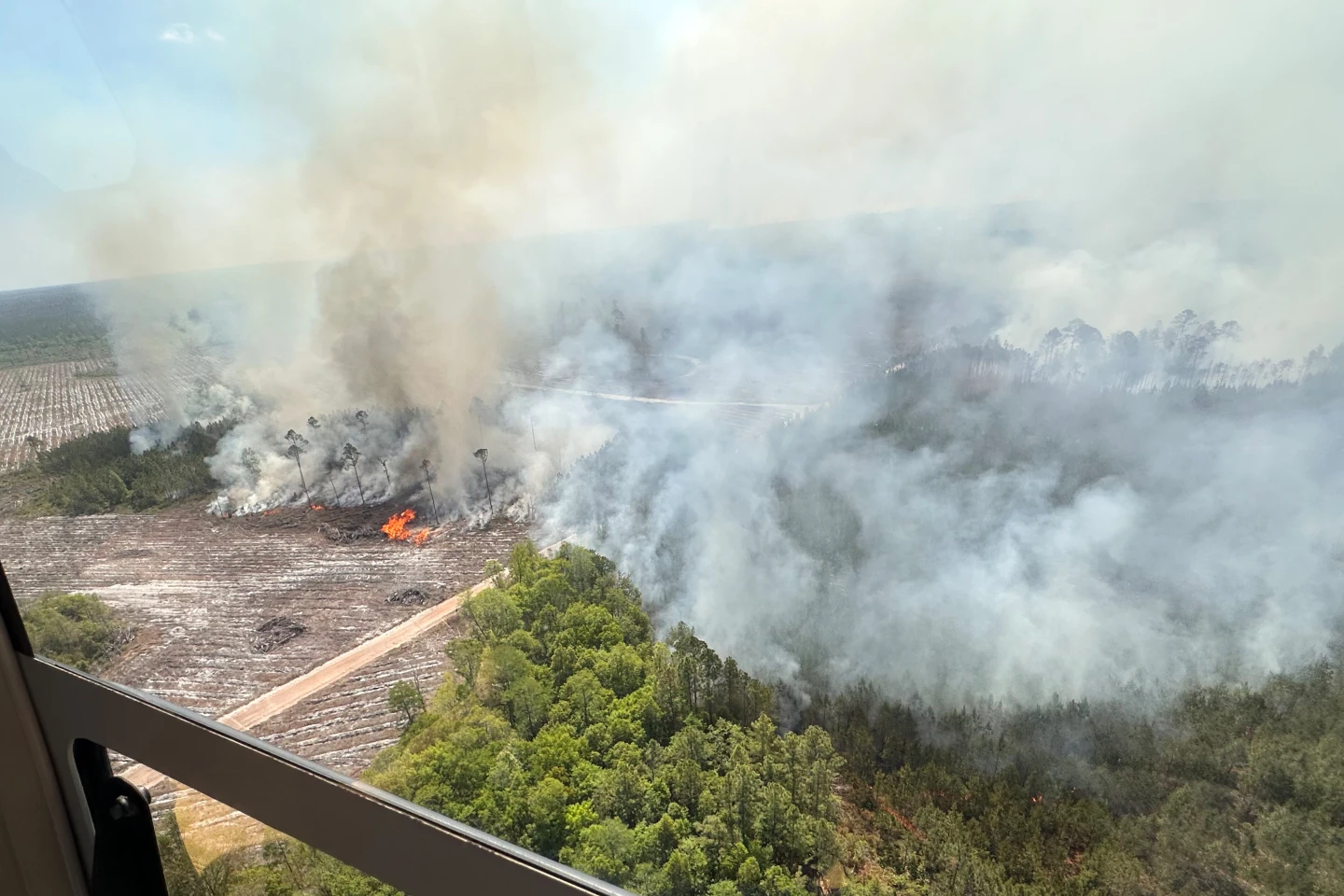
This week, the Trump administration approved major disaster declarations for seven states, as outlined by the Federal Emergency Management Agency (FEMA). The states affected are Alaska, Idaho, Montana, Oregon, South Carolina, South Dakota, and Washington. These declarations allow for federal assistance to help communities recover from various disasters, including funding for public infrastructure repairs and survivor aid.
The announcement comes amidst a turbulent time for FEMA under the leadership of Secretary Markwayne Mullin, who has indicated a commitment to accelerating the handling of disaster requests as the Atlantic hurricane season approaches on June 1. With around 15 assistance requests from other states still pending and three appeals in response to earlier denials, the urgency is palpable.
However, the ongoing eight-week shutdown at the Department of Homeland Security (DHS) adds a layer of complexity to disaster response efforts. Although FEMA's Disaster Relief Fund remains available during the shutdown, the resources are dwindling, emphasizing the need for budget resolutions to replenish the Fund that's facing a critical shortfall.
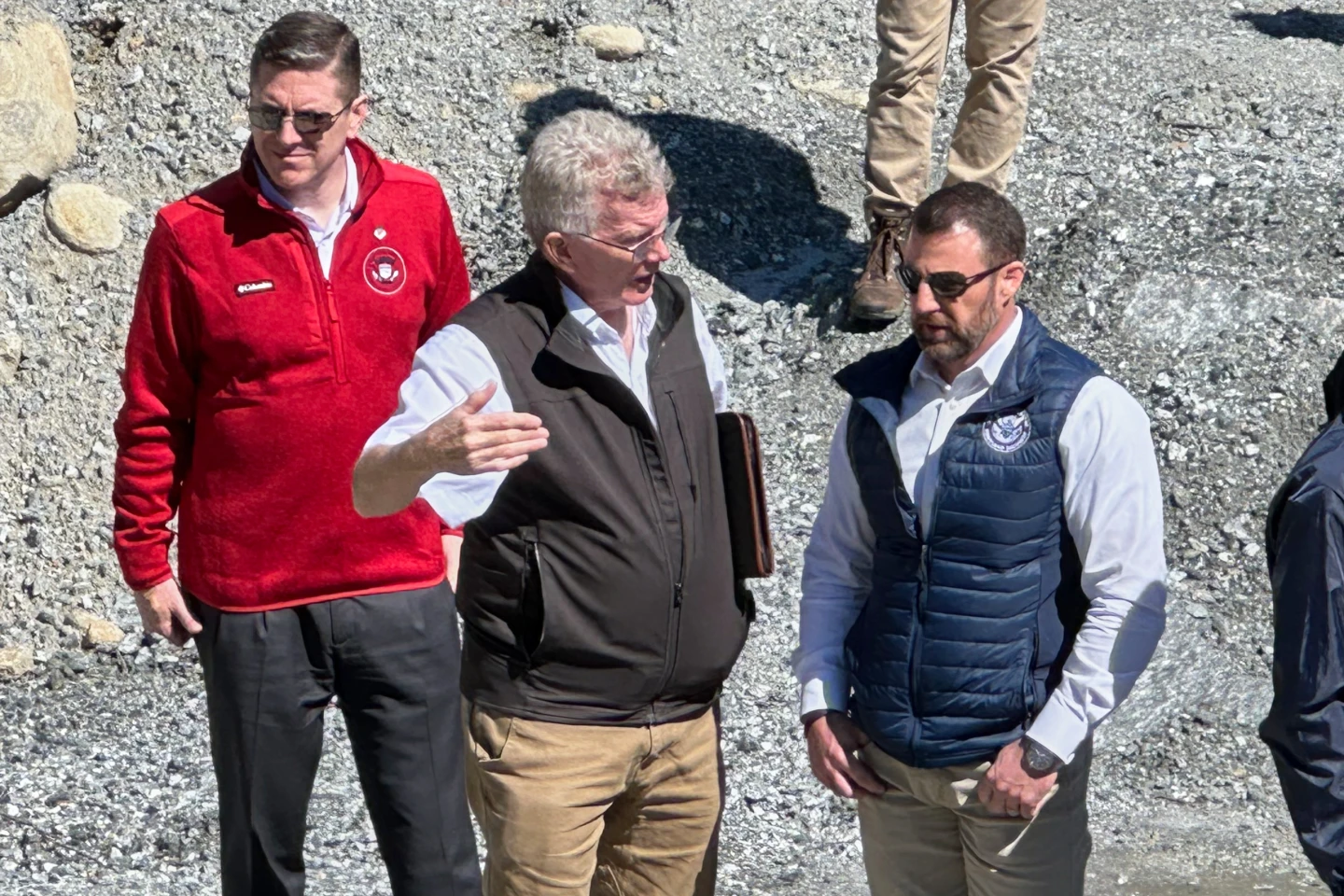
In a recent statement, Mullin expressed the urgency of revitalizing FEMA's operations. We’re trying to push this stuff forward as fast as possible, he stated following a tour of recovery work in North Carolina tied to Hurricane Helene. The commitment is to not only respond promptly but to effectively manage future disasters.
Despite Mullin's assurances during his confirmation hearing that he supports FEMA's mission, questions loom over the agency's future direction, as President Trump appears keen to shift more responsibilities for disaster management back to the states. This potential shift in policy comes at a time when some Democrat-led states voiced concerns over disaster declaration requests being denied or delayed. Maryland's Governor expressed frustration at the president's denials despite FEMA findings of substantial damages in the state.
With Mueller aiming to brief Trump about pending declarations, the coming weeks will be critical in shaping how federal disaster aid will be allocated, especially as communities anticipate the challenges posed by hurricane season.