FORT COLLINS, Colo. — Canyons in eastern Utah will churn this spring with huge volumes of water — as much as 50,000 toilets flushing constantly at the same time — in a desperate attempt to maintain electricity generation for thousands of homes across much of the Western U.S. The Green and Colorado river flows might seem like a bounty of moisture in a parched desert of sandstone arches and prickly cacti, but in fact it’s just the opposite.
After the driest winter on record, officials this spring want to raise the level of badly depleted Lake Powell on the Colorado River to keep its hydropower humming. To do so, they plan to eventually let out as much as a third of the water in Flaming Gorge Reservoir upstream on the Green River in Wyoming and Utah, which would exceed a record 2022 surge that kept electricity flowing.
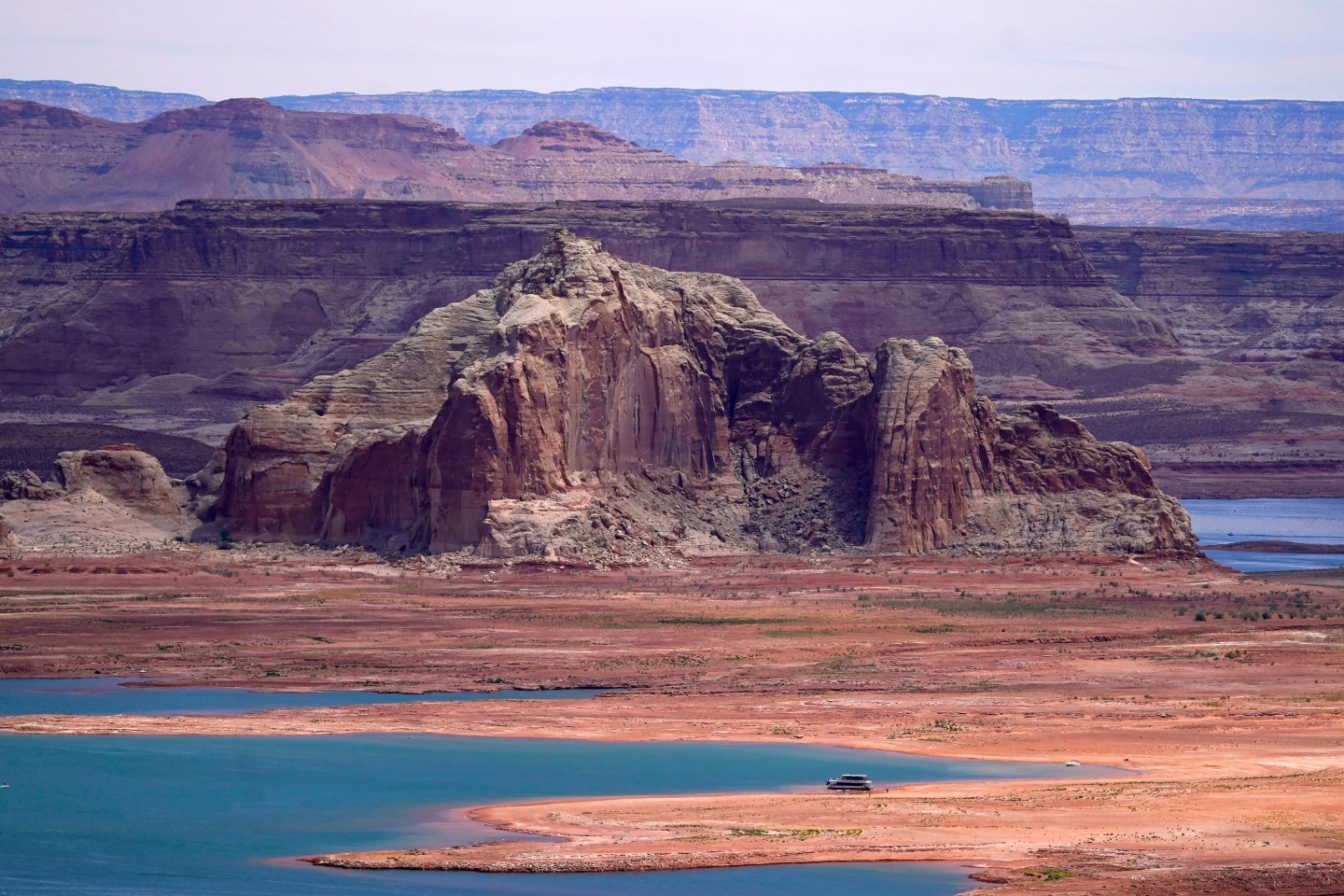
Lake Powell, held back by Glen Canyon Dam, supplies inexpensive and carbon-free electricity to more than 350,000 homes. But it comes at a growing cost elsewhere in a contested river basin relied upon heavily by ranchers, industries and some 40 million residential water customers.
At Flaming Gorge in southwestern Wyoming, Buckboard Marina owners Tony and Jen Valdez are eyeing water levels expected to decline by 10 feet (3 meters) by late summer because of the releases. “Of course we’re concerned,” Jen Valdez said. “And it will probably get to a point where we’ll need to be more concerned.”
If everything goes to plan — and with no relief from the weather — Flaming Gorge will fall by as much as 27 feet (8 meters) a year from now, leaving Buckboard Marina even more high and dry. Though it’s likely only a temporary solution amid long-term drought, there will be effects downstream as U.S. Bureau of Reclamation water managers plan to keep more water than usual from flowing out of Lake Powell.
hydropower is a renewable resource — when there’s water. From cities and tribes to rural electric cooperatives and public utility districts, some 155 customers receive hydropower electricity from Glen Canyon Dam and other federal generators. A loss of hydropower would require WAPA to seek power elsewhere that likely would be more expensive and not renewable.
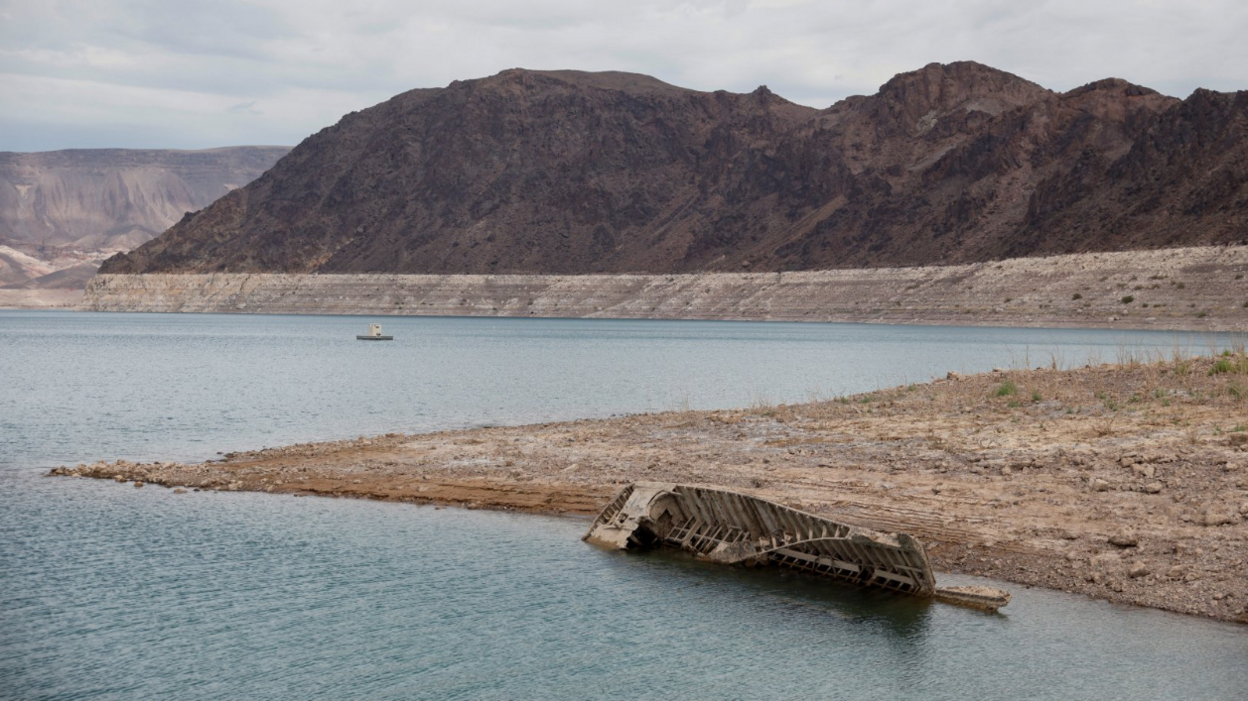
Meanwhile, increasing drought, evaporation, and water demand have shrunk the level of Lake Powell to just 23% of full capacity. To keep generating power, the reservoir can’t fall below 3,490 feet (1,200 meters), which is the level of the water intakes for Glen Canyon Dam’s electricity generators.
In 2022, the Bureau of Reclamation released an unprecedented amount of water from Flaming Gorge to raise Lake Powell. The latest releases could total double that amount. However, with the plan to maintain Lake Powell, environmental costs are likely, including the growth of invasive species which could threaten native fish populations downstream.
This situation paints a picture of enduring challenges influenced by climate change, and raises questions about the future water sustainability and its impact on both power generation and local ecosystems.
After the driest winter on record, officials this spring want to raise the level of badly depleted Lake Powell on the Colorado River to keep its hydropower humming. To do so, they plan to eventually let out as much as a third of the water in Flaming Gorge Reservoir upstream on the Green River in Wyoming and Utah, which would exceed a record 2022 surge that kept electricity flowing.
Lake Powell, held back by Glen Canyon Dam, supplies inexpensive and carbon-free electricity to more than 350,000 homes. But it comes at a growing cost elsewhere in a contested river basin relied upon heavily by ranchers, industries and some 40 million residential water customers.
At Flaming Gorge in southwestern Wyoming, Buckboard Marina owners Tony and Jen Valdez are eyeing water levels expected to decline by 10 feet (3 meters) by late summer because of the releases. “Of course we’re concerned,” Jen Valdez said. “And it will probably get to a point where we’ll need to be more concerned.”
If everything goes to plan — and with no relief from the weather — Flaming Gorge will fall by as much as 27 feet (8 meters) a year from now, leaving Buckboard Marina even more high and dry. Though it’s likely only a temporary solution amid long-term drought, there will be effects downstream as U.S. Bureau of Reclamation water managers plan to keep more water than usual from flowing out of Lake Powell.
hydropower is a renewable resource — when there’s water. From cities and tribes to rural electric cooperatives and public utility districts, some 155 customers receive hydropower electricity from Glen Canyon Dam and other federal generators. A loss of hydropower would require WAPA to seek power elsewhere that likely would be more expensive and not renewable.
Meanwhile, increasing drought, evaporation, and water demand have shrunk the level of Lake Powell to just 23% of full capacity. To keep generating power, the reservoir can’t fall below 3,490 feet (1,200 meters), which is the level of the water intakes for Glen Canyon Dam’s electricity generators.
In 2022, the Bureau of Reclamation released an unprecedented amount of water from Flaming Gorge to raise Lake Powell. The latest releases could total double that amount. However, with the plan to maintain Lake Powell, environmental costs are likely, including the growth of invasive species which could threaten native fish populations downstream.
This situation paints a picture of enduring challenges influenced by climate change, and raises questions about the future water sustainability and its impact on both power generation and local ecosystems.