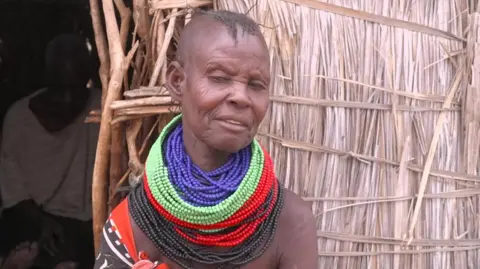
In Turkana County, Lotkoy Ebey, who once owned 50 goats, now counts only five surviving animals after a prolonged drought has ravaged the region. The scarcity of rain has resulted in a catastrophic loss of livestock, and the effects are visible across the landscape with barren grazing fields and dry riverbeds. Despite recent rains in parts of Kenya, the National Drought Management Authority warns that many areas have received little to no water, and the anticipated relief will not address the immediate needs of the community.
The drought has led to an escalating hunger crisis, affecting approximately 26 million people across East Africa, including 320,000 individuals in Turkana who require urgent food assistance. Help from humanitarian organizations, previously a lifeline during dry seasons, has notably diminished, leaving families struggling to find sustenance. Many, including Ebey, often go days without a proper meal, reliant on scavenging in the wilderness for food sources.
Among the most novel survival strategies employed is foraging for fruit from the gingerbread tree. Women in Kakwanyang village have taken to pounding wild fruits sourced from these trees, known locally as 'mikwamo'. Though these fruits can stave off hunger temporarily, they also pose health risks, as consuming them in excess can cause drowsiness and severe stomach issues.
Efforts by the Kenyan government and NGOs to provide food and supplies are ongoing, but the response still falls short of meeting the urgent demand. The situation highlights the ongoing crisis of food insecurity in Turkana, where traditional sources of sustenance have become increasingly precarious.
The drought has led to an escalating hunger crisis, affecting approximately 26 million people across East Africa, including 320,000 individuals in Turkana who require urgent food assistance. Help from humanitarian organizations, previously a lifeline during dry seasons, has notably diminished, leaving families struggling to find sustenance. Many, including Ebey, often go days without a proper meal, reliant on scavenging in the wilderness for food sources.
Among the most novel survival strategies employed is foraging for fruit from the gingerbread tree. Women in Kakwanyang village have taken to pounding wild fruits sourced from these trees, known locally as 'mikwamo'. Though these fruits can stave off hunger temporarily, they also pose health risks, as consuming them in excess can cause drowsiness and severe stomach issues.
Efforts by the Kenyan government and NGOs to provide food and supplies are ongoing, but the response still falls short of meeting the urgent demand. The situation highlights the ongoing crisis of food insecurity in Turkana, where traditional sources of sustenance have become increasingly precarious.