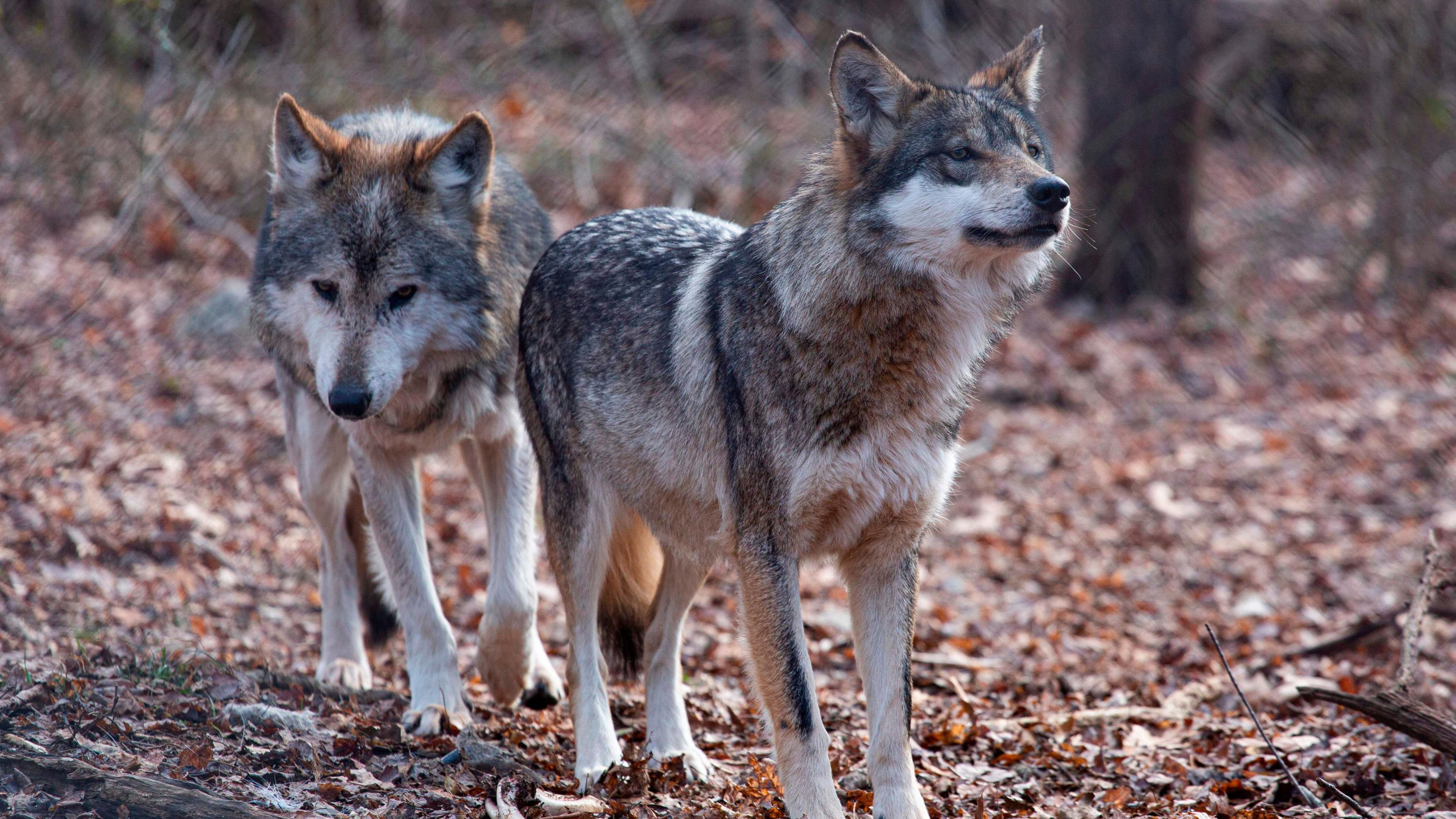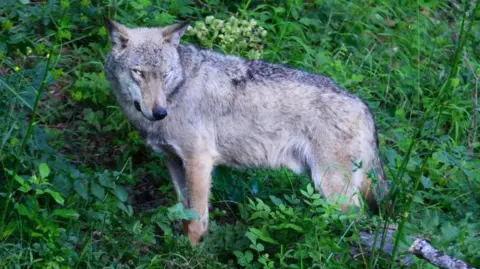
Poisoning is suspected in the deaths of 18 wolves within a few days in a national park that straddles three regions of central Italy. After the carcasses of 10 wolves were found last week, another eight were discovered when patrols were increased in the Abruzzo, Lazio, and Molise National Park.
The park authority stated last week that traces of suspected poisoned bait had been located in areas where five of the wolves were found dead. The latest deaths prompted further investigation and raised 'very strong suspicion' of more poisoning.
The authority is working alongside local public prosecutors to determine the cause of death. Initial suspicions appear to have been confirmed by tests conducted by the local animal health research institute, IZS.
Thirteen of the dead wolves were examined, revealing 'the presence of agricultural pesticides used in poisoned bait for animals'. Environment Minister Gilberto Pichetto Fratin highlighted the killings as 'horrendous and serious', emphasizing the wolves' crucial role in maintaining ecological balance.
Italy's Institute for Environmental Protection and Research (Ispra) indicated that the deaths undermined significant advances in animal protection and conservation. The use of poisoned bait poses risks not only to protected species but also to domestic pets and public safety.
The wolf population in Europe has seen a resurgence, increasing by 35% from 2016 to 2023, with approximately 3,300 wolves inhabiting Italy, according to a 2020-21 census by Ispra.
This incident raises alarms over the safety of these animals, especially given the recent downgrading of their protected status, allowing certain culling measures in Italy. Environmental groups are calling for urgent reviews of these policies in light of the poisonings, warning that such actions could extend threats to other endangered species, including the critically endangered Marsican brown bear, of which only about 50 remain.
The park authority stated last week that traces of suspected poisoned bait had been located in areas where five of the wolves were found dead. The latest deaths prompted further investigation and raised 'very strong suspicion' of more poisoning.
The authority is working alongside local public prosecutors to determine the cause of death. Initial suspicions appear to have been confirmed by tests conducted by the local animal health research institute, IZS.
Thirteen of the dead wolves were examined, revealing 'the presence of agricultural pesticides used in poisoned bait for animals'. Environment Minister Gilberto Pichetto Fratin highlighted the killings as 'horrendous and serious', emphasizing the wolves' crucial role in maintaining ecological balance.
Italy's Institute for Environmental Protection and Research (Ispra) indicated that the deaths undermined significant advances in animal protection and conservation. The use of poisoned bait poses risks not only to protected species but also to domestic pets and public safety.
The wolf population in Europe has seen a resurgence, increasing by 35% from 2016 to 2023, with approximately 3,300 wolves inhabiting Italy, according to a 2020-21 census by Ispra.
This incident raises alarms over the safety of these animals, especially given the recent downgrading of their protected status, allowing certain culling measures in Italy. Environmental groups are calling for urgent reviews of these policies in light of the poisonings, warning that such actions could extend threats to other endangered species, including the critically endangered Marsican brown bear, of which only about 50 remain.