Europe Reconsiders Nuclear Power Amid Energy Crisis
With families and industries across Europe facing escalating gas prices and rising costs for filling vehicles with petrol, a renewed discussion about energy independence is unfolding.
The UK government advises citizens to remain calm, while the European Commission urges remote work and less travel as a response to soaring energy prices. Policymakers anticipate potential worsening conditions due to geopolitical events, reminiscent of the recent energy crisis following Russia's invasion of Ukraine.
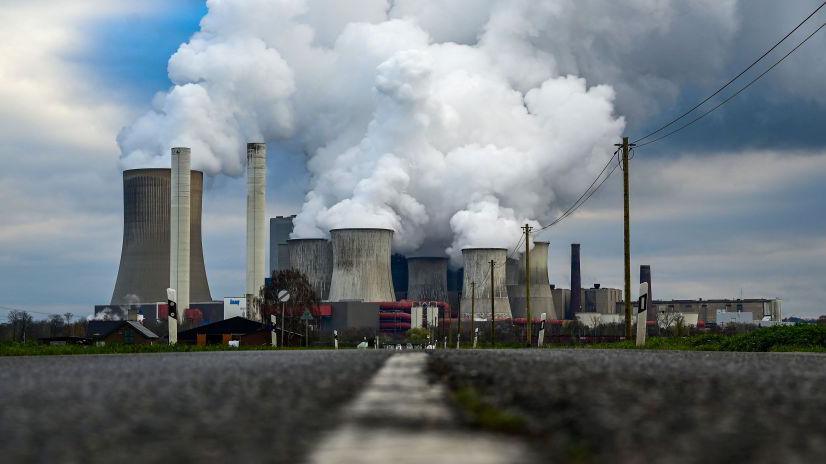
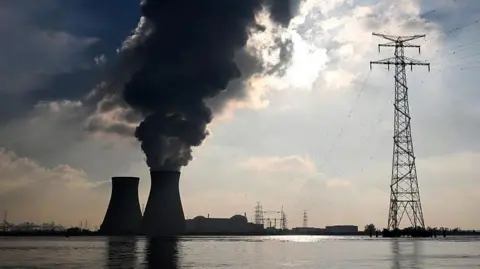
Nuclear energy is emerging as a prominent option in Europe’s energy mix. The European Nuclear Energy Summit recently highlighted this shift, with European Commission President Ursula von der Leyen labeling the continent's past move away from nuclear power as a strategic mistake.
In 1990, Europe sourced about a third of its electricity from nuclear power, a figure that has plummeted to roughly 15%. With over half of its energy imported, Europe faces vulnerabilities to supply disruptions and price fluctuations driven by geopolitical tensions.
Germany’s phased exit from nuclear following the Fukushima disaster in 2011 has made it particularly gas-reliant, creating challenges for its economically vital industries. The urgency for nuclear revitalization is palpable across Europe, as countries re-evaluate their policies:
- Italy is drafting laws to lift its long-standing nuclear ban.
- Belgium intends to ramp up nuclear investment.
- Greece is investigating advanced reactor technology.
- Sweden has reversed its decades-long anti-nuclear stance.
- The UK is streamlining regulations to accelerate nuclear project approvals.
France continues to champion nuclear energy, generating 65% of its electricity from this source. French President Emmanuel Macron advocates for nuclear power as a path towards energy independence and decarbonization.
However, the excitement surrounding nuclear power isn't without its hurdles. Nuclear initiatives are lengthy projects fraught with potential delays. Safety concerns and waste management issues remain significant challenges. Moreover, the shift toward renewable energy sources underscores an uncertain balance between investing in nuclear and enhancing renewable capacities.
Small modular reactors (SMRs) are being promoted as a cost-effective alternative, with the EU aiming to introduce these technologies by the early 2030s. But as of early 2026, none had received construction licenses in the EU, illustrating the uncertainties surrounding nuclear's resurgence.
While European governments are keen to leverage nuclear energy as part of their medium and long-term strategies, immediate solutions are imperative. As countries seek energy independence, it remains crucial to approach nuclear energy with a balanced view, acknowledging the complexities that accompany its revival.