In a remarkable revelation, children like nine-year-old 'Edward' in Kenya are learning the identities of their fathers, British soldiers stationed at military bases, through a unique process of DNA testing and legal support. These findings have brought hope to many who were led to believe their fathers were dead or had abandoned them.
This initiative has led to the identification of 12 cases of paternity confirmed by a UK Family Court, with nearly 100 total cases of children born to British soldiers at the British Army Training Unit in Nanyuki, Kenya. The British soldiers' presence in Kenya dates back to 1964, and numerous Kenyan families have lived with the implications of these relationships for years.
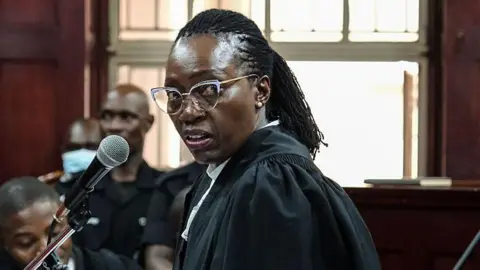
The children, many living in poverty and ostracized due to their mixed heritage, are now eligible to apply for British citizenship and access financial support, thanks to the efforts of solicitor James Netto and local lawyer Kelvin Kubai. The expected outcomes of these legal battles offer a glimpse into how technology, when combined with legal advocacy, can affect lives dramatically.
Yet, this breakthrough has revealed a troubling history of unregulated relationships that often led to long-lasting consequences for their offspring. A recent Kenyan parliamentary inquiry accused British soldiers of operating in a culture of impunity, raising questions about the ethical considerations surrounding these relationships.
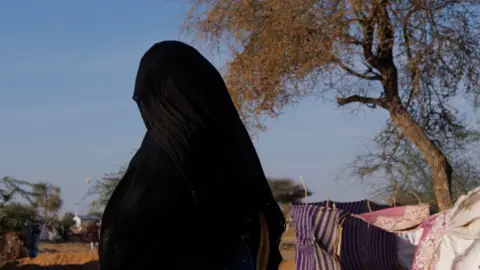
As families await justice and answers, the stories of individuals like Yvonne, who learned her father is alive after believing he had died, and Cathy, who spent years seeking her father, highlight the emotional impact of these discoveries. The work of Netto and Kubai continues as they seek to address these historical grievances and ensure children are not left without recognition or support from their fathers.