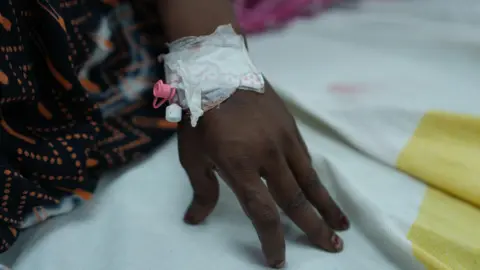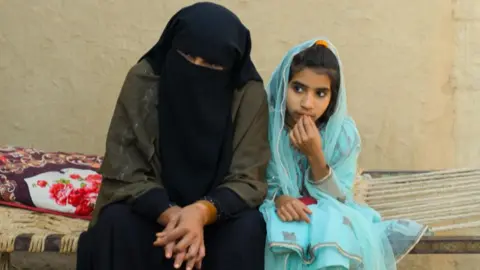
A recent investigation reveals alarming practices at THQ Taunsa Hospital in Punjab, Pakistan, where syringes were reportedly reused, leading to an outbreak of HIV among children. This investigation follows the tragic cases of children like Mohammed Amin, who died shortly after testing positive for the virus, and his sister Asma, who also contracted HIV.
Asma’s family fears their plight represents a broader issue, with over 331 children diagnosed with HIV linked to treatments received at the same hospital. Undercover footage discovered syringes being reused on multiple occasions, heightening concerns over infection control practices.
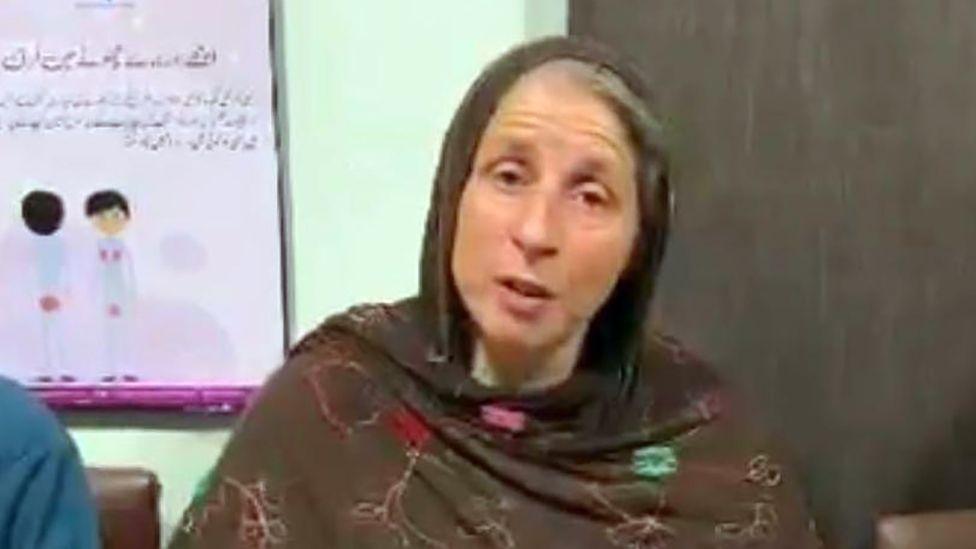
The situation took root when local doctor Dr. Gul Qaisrani noticed a surge in HIV cases and connected it to the hospital’s practices. Despite initial promises from local authorities to overhaul infection control, disturbing practices persisted, as shown by recent undercover footage.
Dr. Altaf Ahmed, a leading infectious disease expert, stated that even changing needles does not eliminate the risk of viral transmission. Our findings from THQ Taunsa include numerous instances of unsafe injection practices that continue to endanger patient lives.
In the wake of these revelations, Dr. Qasim Buzdar, the hospital's current superintendent, dismissed the footage as possibly inaccurate, insisting the hospital maintains a safe environment for children. Local government remains divided over accountability, with many pointing fingers at unregulated private practices as a contributing factor to the outbreak.
This case highlights a systemic issue linked to cultural attitudes towards medical treatment in Pakistan, where injections are preferred regardless of necessity, and underscores the urgent need for improved medical practices to protect vulnerable populations.