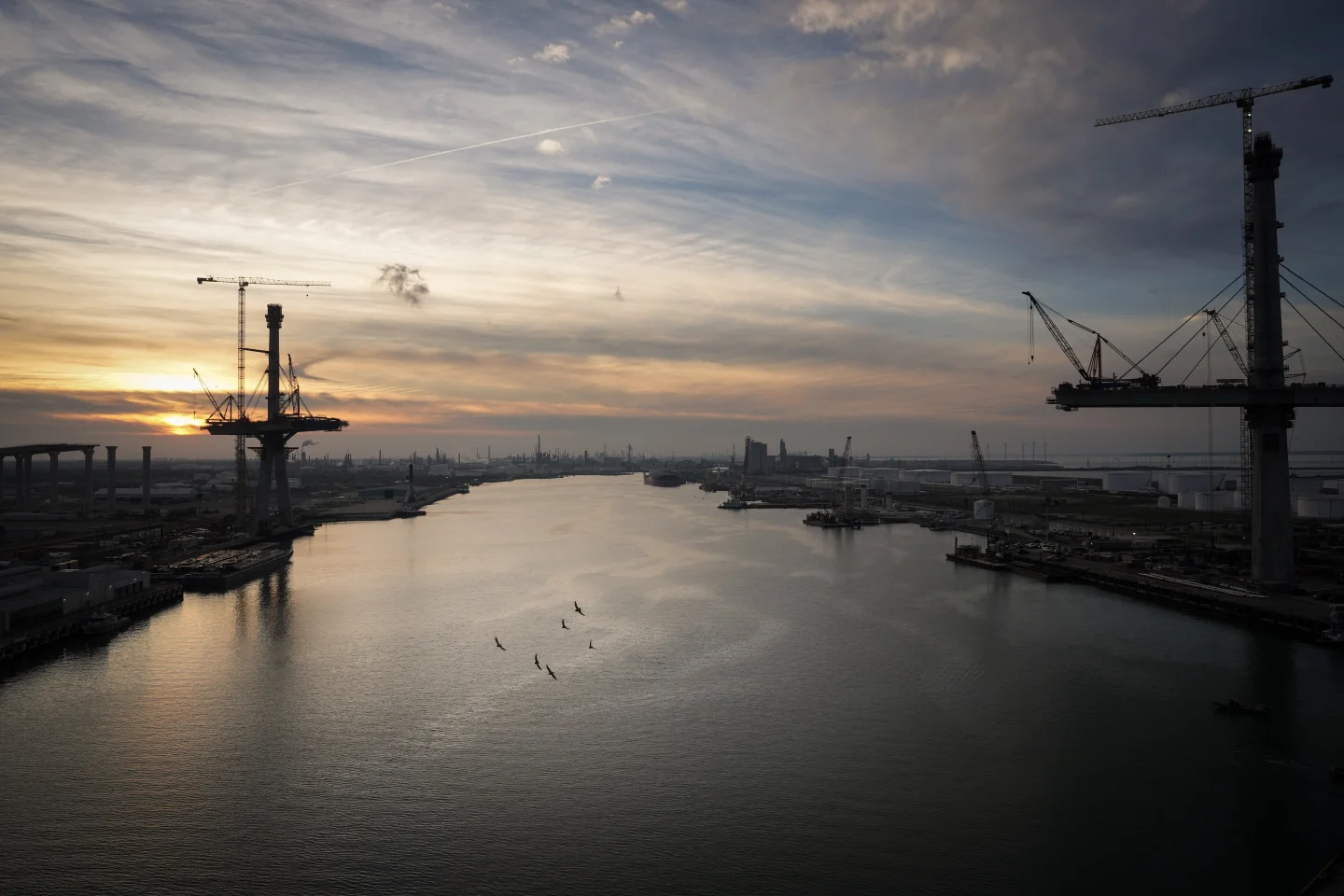
In parched southern Texas, a yearslong drought has depleted Corpus Christi’s water reserves so gravely that the city is scrambling to prevent a shortage that could force painful cutbacks for residents and hobble the refineries and petrochemical plants in a major energy port.
Experts said the city didn’t expect such a bad drought, and new sources of reliable water didn’t arrive as expected. Those problems arose as the city increased its water sales to big industrial customers.
“We just have not kept up with water supply and water infrastructure like we should have. And it’s decades in the making,” said Peter Zanoni, the city manager since 2019.
Corpus Christi, a city of about 317,000 people that also supplies water to nearby counties, is closely tied to its oil and gas industry. The region makes everyday essentials like fuel and steel and ships them to the world.
Zanoni said it is highly unlikely the city will run out of water, but without significant rainfall or new sources, residents may face forced cutbacks and industry may have to do with less. At a time when the Iran war is already raising gas prices, the shortage is hitting an area that produces 5% of the U.S. gasoline supply.
Droughts are common, but this one has dragged on for most of the past seven years. Key reservoirs are at their lowest point ever. The quickest fix is different weather.
“We are actively praying for a hurricane,” former city council member David Loeb said, half in jest. Loeb doesn’t want anyone injured, but after wrestling with previous droughts in his time on the council, he feels the lack of rain acutely.
The drought isn’t expected to lift by summer, leaving officials scrambling to tap more groundwater to avoid an emergency.
The city is in a water emergency when it has 180 days before water supply can’t keep up with demand. Officials have run through different scenarios for getting new water and the drought easing, and have said an emergency could come as early as May, as late as October, or not at all.
The biggest unknown is the Evangeline Groundwater Project, which involves a pipeline and about two dozen wells that could add enough water to head off an emergency. It still needs state approval but the city hopes water could be flowing as soon as November. New sources come with drawbacks – some have raised water quality concerns, and there are worries too much pumping could deplete groundwater.
If the city has to declare a water emergency, it would be able to more aggressively curtail water use – mandatory reductions that would apply evenly to all industry and residents. That is a sensitive decision and is likely to be a “knock-down drag-out bloodbath,” Loeb said.
Because residents on average have already reduced their water use, future mandatory cuts are likely to fall heavier on industry.
“It’ll be an unbelievable disaster,” said Don Roach, former assistant general manager of the San Patricio Municipal Water District that has lots of industrial customers in the area. “When you cut the cooling water off to most of these industries, they just have to shut down. There’s no other way around it.”
Corpus Christi has followed its long-established plan for reducing water use. Stage 1 seeks voluntary actions from citizens like taking shorter showers and limiting how often they can water. Currently, the city is in Stage 3, which means pauses on many outdoor water uses.
Many residents are angry that they can’t water their lawns, that their bills are set to rise sharply and that they may face fines, said Isabela Azaiza, co-founder of a grassroots group active on water issues. Some don’t feel industry will be asked to share in the pain, she said.
The city has defended the system, saying in a statement that industry does not “get a pass on water conservation” or forced curtailment. The statement said the business surcharges have raised $6 million a year.
It is wrong to suggest industry isn’t helping, said Bob Paulison, executive director of the Coastal Bend Industry Association. Companies have stopped landscaping, they recycle water for essential cooling needs and they are looking for alternative water sources, he said.
The city hasn’t imposed extra costs on anyone yet, but Zanoni said water rates may eventually double as the city invests roughly $1 billion on infrastructure — costs that some argue will disproportionately benefit industry and make life for residents more expensive.
“We are hoping we don’t get there, but we don’t work on hope,” he said.