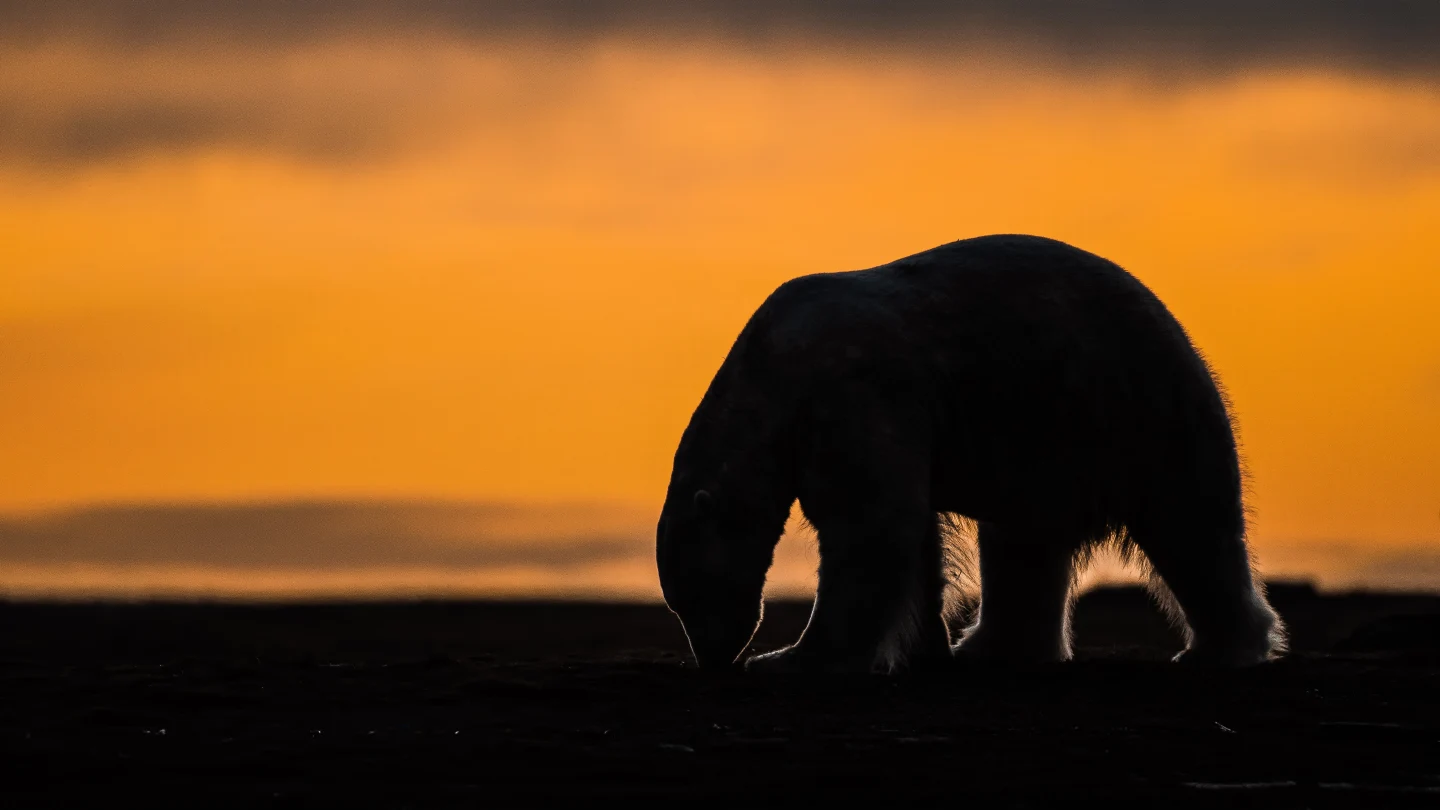
ANCHORAGE, Alaska (AP) — Each summer, polar bears gather outside Kaktovik, an Alaska Native village situated above the Arctic Circle, to feast on whale remnants while waiting for the seas to freeze. This event, known as 'last chance tourism,' has historically attracted over a thousand visitors each year, eager to witness the magnificent animals before they potentially vanish due to climate change.
However, due to the COVID-19 pandemic and a federal directive halting boat tours for polar bear observation, Kaktovik's once-bustling tourism industry has nearly collapsed. Local leadership is now working towards reviving tourism to bolster the economy and provide residents with alternative income sources, all while ensuring the guidelines are set to protect both the community and the bears.
We recognize tourism's potential benefits, yet it needs to be regulated for the community's benefit, expressed Charles Lampe, president of the Kaktovik Inupiat Corp.
Overwhelmed by Visitors
Tourism in Kaktovik boomed after the US government declared polar bears a threatened species in 2008. The rapid warming of the Arctic has drastically affected the bears’ hunting patterns, leading to predictions that a majority could face extinction by the end of the century.
The influx of visitors led to increased federal regulations that favored larger out-of-town tour companies, effectively sidelining local operators. Residents soon found themselves overwhelmed by tourists flocking to their small village of roughly 250 people.
Increased visitation also caused logistical issues, such as limited small plane capacity, making travel hard for residents who needed medical assistance. Tourists sometimes crowded their homes, adding to frustrations.
Regaining Control of Tourism
With the onset of the pandemic, tourist numbers dwindled, and federally mandated halts on boat tours were implemented. Now, community leaders are engaged in discussions with the U.S. Fish and Wildlife Service to create a sustainable pathway to reintroduce tourism, aiming for a relaunch potentially as early as 2027.
Proposals include time restrictions on boat presence near the bears to mitigate negative human-bear interactions. Lampe highlighted that prior to the pandemic, it had become difficult to keep bears from wandering into town, creating safety risks.
In light of tragic incidents, including a fatal polar bear attack in Wales, Kaktovik aims to ensure a balance between tourism and safety.
Fostering Respectful Tourism
Local whaling practices coincide with polar bear tourism as community members butcher their catch on nearby shores. While locals welcome visitors to observe, there are concerns about tourists behaving disrespectfully by taking unauthorized photos.
Sherry Rupert, of the American Indigenous Tourism Association, advises marketing the community as a place for immersive cultural experiences, emphasizing education and respectful contact with local customs.
Roger MacKertich, a wildlife photographer, noted that observing bears in their natural habitat was an unforgettable experience, underlining the importance of maintaining a respectful distance from the wildlife.