WASHINGTON – A recent report by the U.S. Environmental Protection Agency (EPA) has brought to light a grave concern regarding the nation’s most hazardous toxic waste sites. Approximately 100 Superfund sites are located in areas that are increasingly susceptible to flooding and wildfires, presenting a potential public health threat for millions of Americans living nearby.
The findings stem from a review conducted by the EPA's Office of Inspector General (OIG) and reveal that around 3 million individuals reside within a mile of these dangerous sites, with 13 million within a three-mile radius. The reports are part of a series analyzing the vulnerability of 157 federal Superfund sites prioritized for cleanup due to their significant risk to public health and the environment.
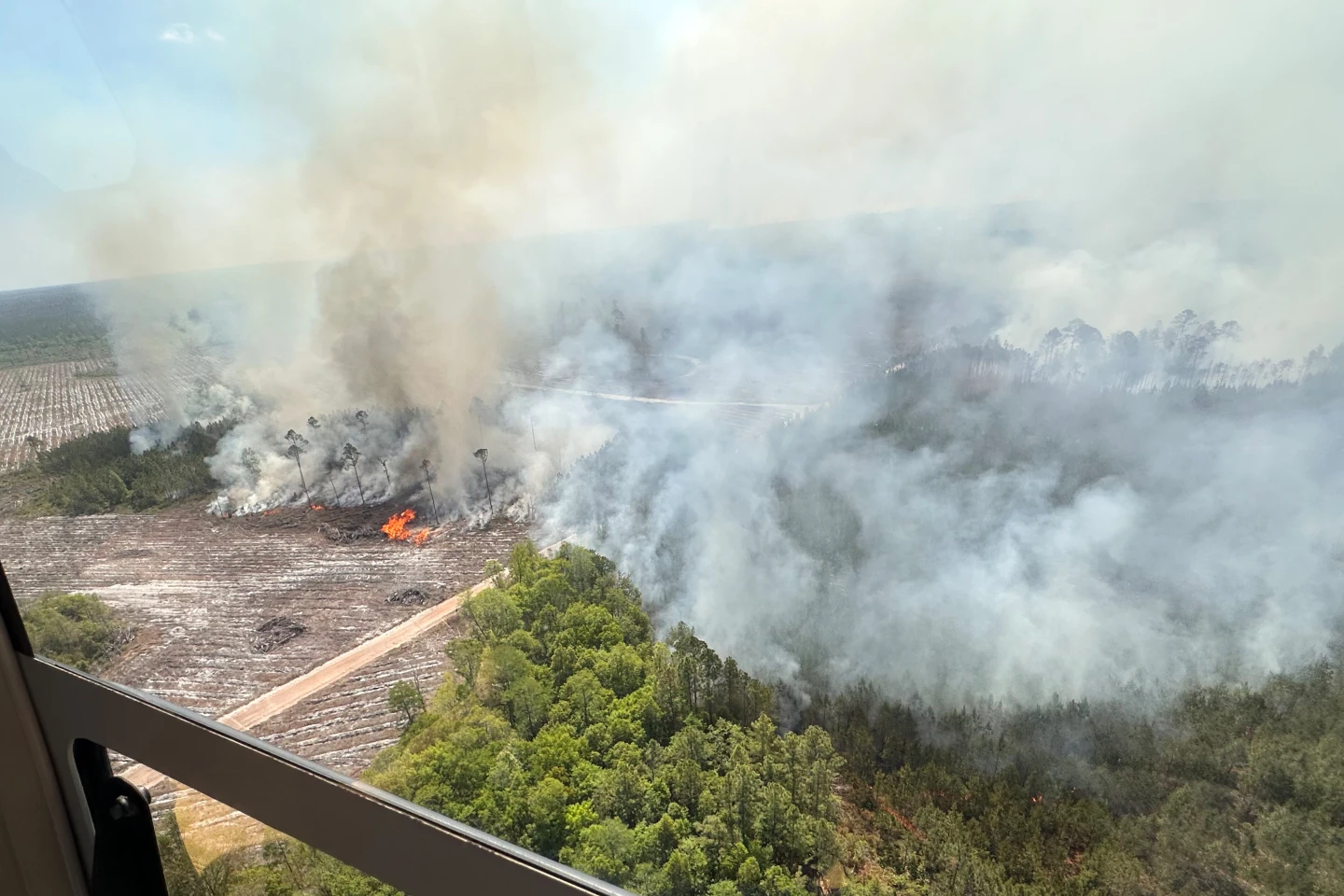
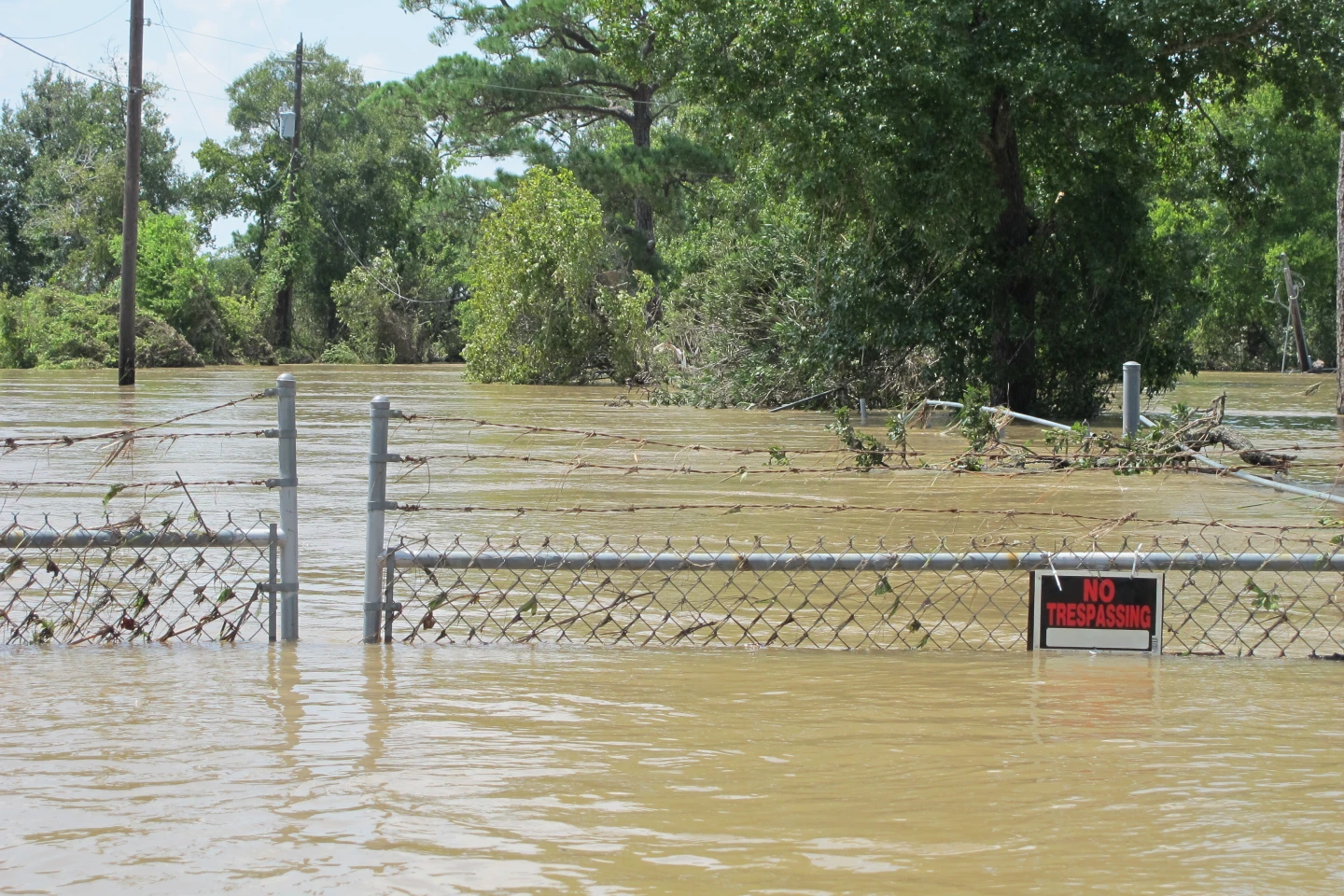
The review highlights that numerous Superfund sites face multiple threats from natural disasters. Of the sites assessed, 49 are found in coastal areas at risk of sea-level rise or storm surges from hurricanes, with many situated near densely populated regions. Additionally, 47 sites are located in low-lying areas that are particularly susceptible to inland flooding, and 31 are in zones at high risk for wildfires.

Despite these alarming findings, the five-year clean-up plans for these hazardous sites often neglect to account for the impacts of flooding caused by climate change, severe storms, and wildfires. Betsy Southerland, a former EPA official, emphasized the critical nature of this oversight, stating, It means the site managers are not planning mitigation measures.
The report reflects a growing concern for communities living in proximity to these toxic sites, as inadequate disaster planning could lead to the release of harmful contaminants during extreme weather events. Such negligence not only endangers public health but also risks wasting taxpayer dollars already invested in remediation efforts.
In light of this report, experts are urging more robust planning to address the unique challenges posed by climate change. Lara J. Cushing, a researcher, asserts the importance of taking proactive measures to curb the rising risks associated with climate conditions affecting these hazardous areas. As awareness grows surrounding climate threats, the conversation around safeguarding public health continues to resonate across the nation.