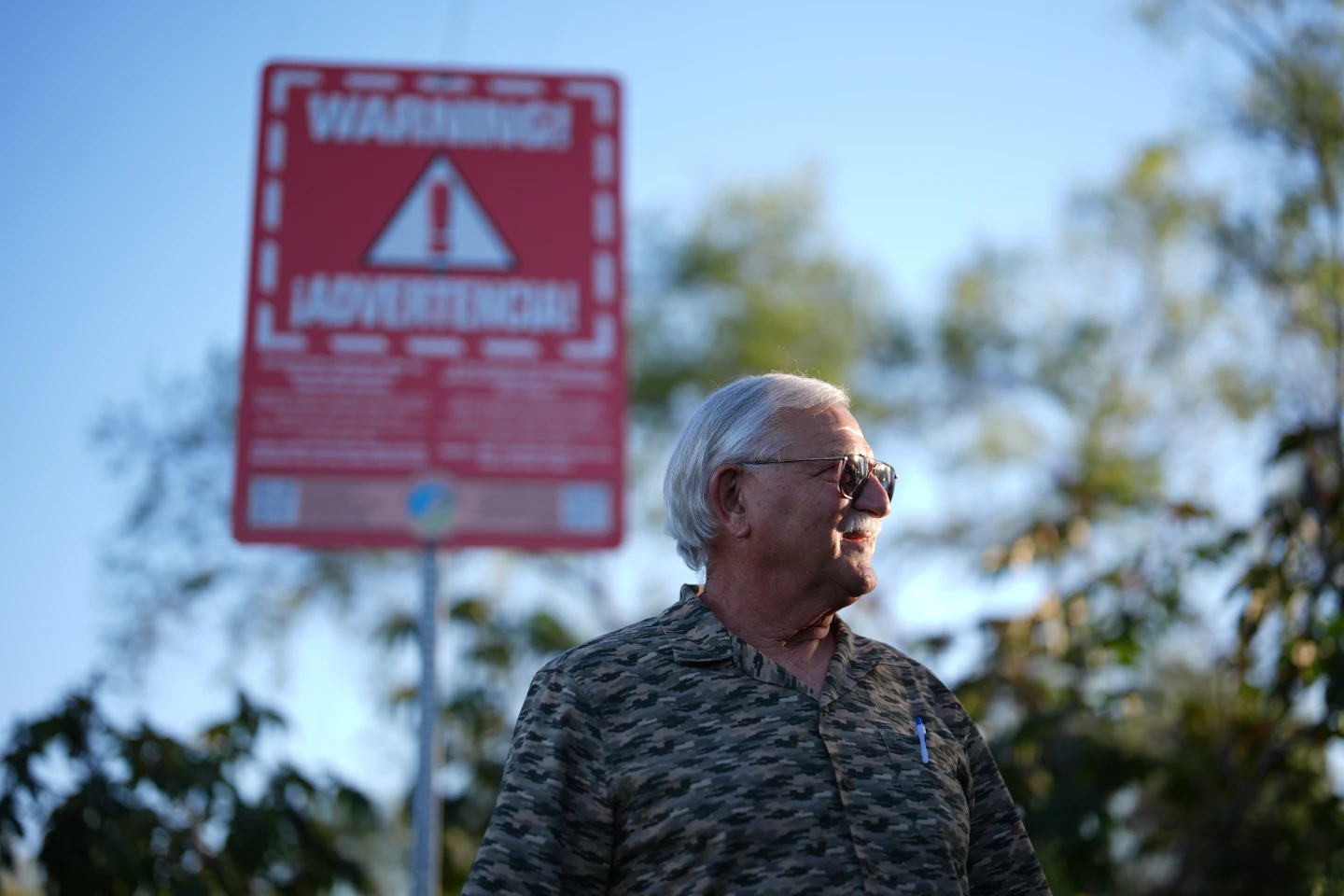
SAN DIEGO (AP) — Steve Egger, a 72-year-old resident, describes the overwhelming stench that fills his home at night as sewage from the Tijuana River permeates the air, leading to frequent headaches and respiratory issues for him and his wife.
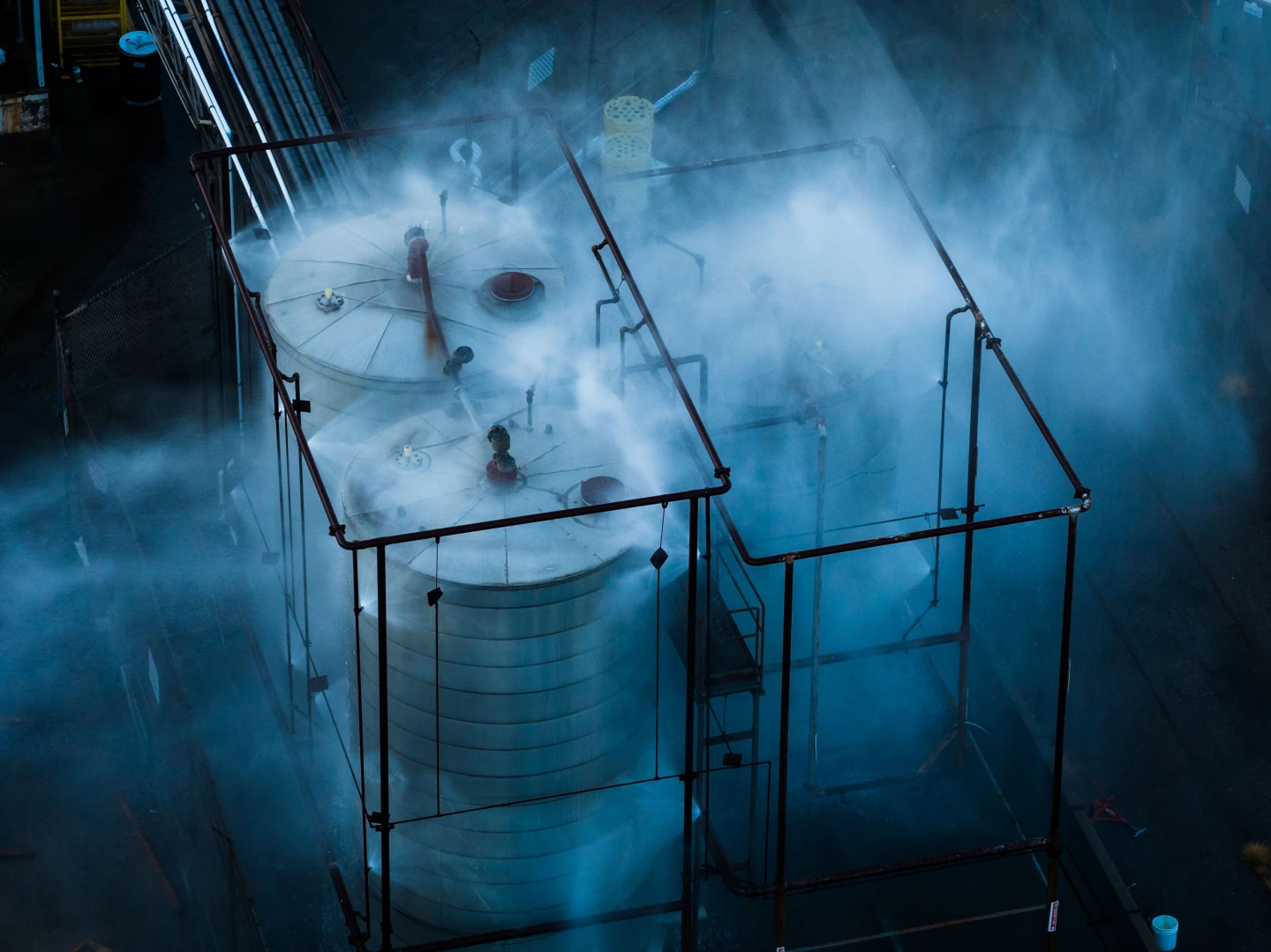
According to the International Boundary and Water Commission, since 2018, over 100 billion gallons of untreated sewage, filled with industrial chemicals and trash, have poured into the Tijuana River, which then empties into the Pacific Ocean. This ongoing environmental crisis has precipitated health challenges for the local communities, most of whom are Latino and low-income.
A 2024 sampling found hydrogen sulfide concentrations in the air near Egger's home at 4,500 times higher than urban levels. Health professionals, including Dr. Matthew Dickson, report a 130% increase in patients with respiratory problems associated with the river's contamination.
Efforts to tackle this ecological disaster began last year with an agreement between the U.S. and Mexican governments to upgrade waste treatment facilities and manage the river’s flow more effectively. Environmental Protection Agency Administrator Lee Zeldin acknowledged the extensive work needed, indicating that resolution would take at least two years.
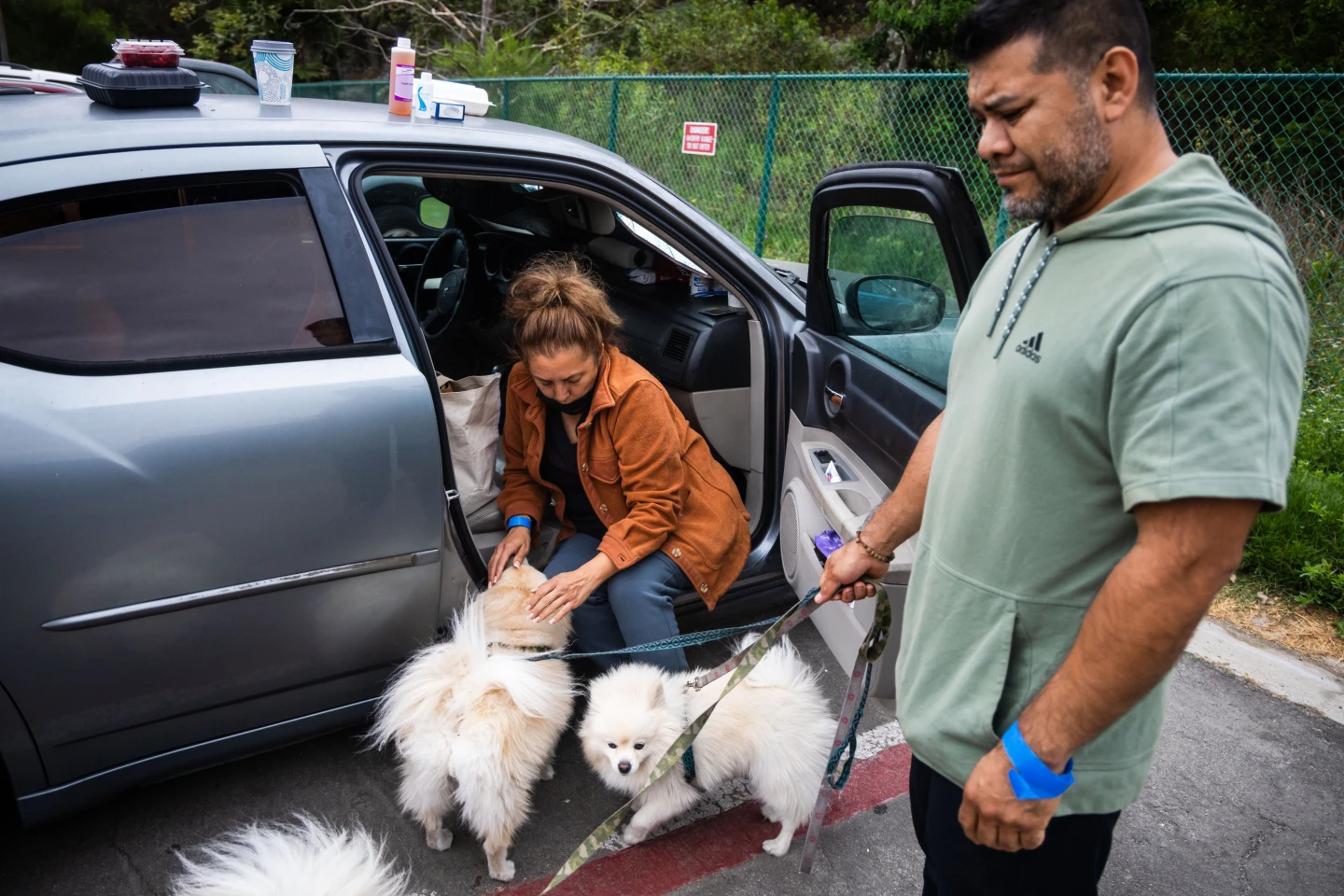
The community's concerns are amplified as doctors recommend relocation due to the ongoing pollution and health risks. “People shouldn’t live like this,” Egger said, emphasizing the desire for effective remediation of their homes and land.
The issue reveals a stark disparity in environmental enforcement and health safety measures, with affluent communities receiving quicker federal responses to similar pollution concerns. Activists are urging more immediate action to ameliorate the living conditions for those affected by the river's toxicities.