West Coast Braces for Dangerous Early Spring Heatwave
A significant and unusually early heatwave is building across the south-western US this week, bringing temperatures more typical of early summer than mid-March. In Phoenix, Arizona, the National Weather Service (NWS) forecasts temperatures could exceed 100°F (38°C) as soon as Wednesday, marking the earliest arrival of triple-digit heat to the city in almost four decades.
A strong, slow-moving high-pressure system, often referred to as a heat dome, is trapping hot air over the region and pushing temperatures 20–30°F above normal in parts of California, Nevada, and Arizona.
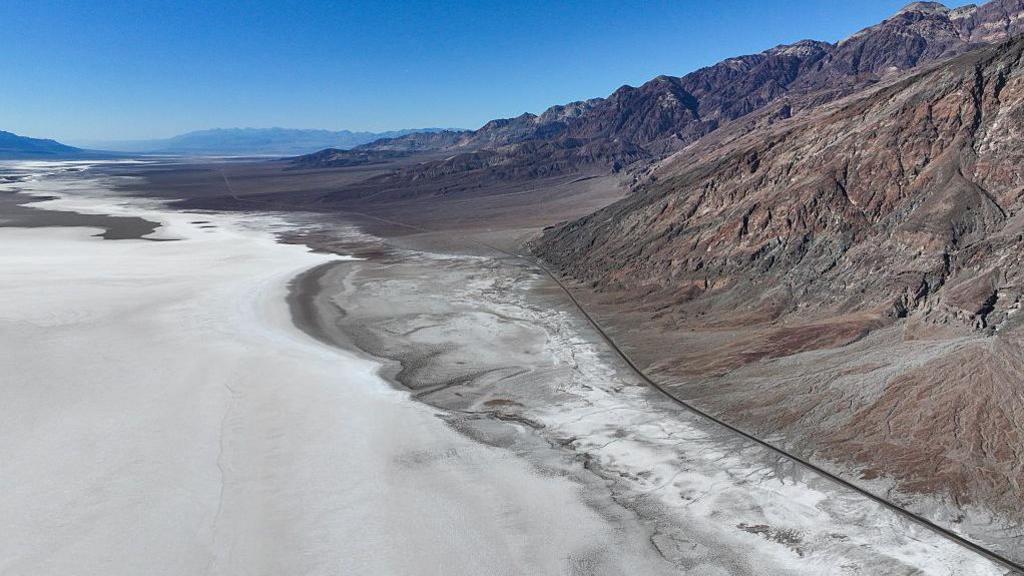
The heat is expected to persist over several days, with limited overnight cooling contributing to the strain on local populations. Millions are likely to be affected, as highs are projected to reach well above 90°F in many areas, including typically cooler coastal regions, while inland and desert locations could approach or exceed 110°F.
NWS has issued heat advisories for parts of California, including the Bay Area and central coast, where temperatures could reach around 90°F. Residents in the affected areas are being urged to check on the elderly and vulnerable populations, as well as to schedule events around peak heat times.
Extreme early-season heat coupled with high tourism rates will make this heat very dangerous, particularly for those not acclimated to the heat and/or traveling from cooler climates, warned the NWS office in Las Vegas, Nevada.
Forecasters anticipate this could be a prolonged event, with only gradual relief expected by the weekend or early next week. Consequently, health risks due to the heat and environmental implications are considerable.
The heatwave raises serious concerns for California's already below-average snowpack, as it accelerates melt during a time when it typically builds or declines slowly. With temperatures running far above normal, snow in the Sierra Nevada is likely to melt weeks earlier than usual, which could reduce the amount of water available in reservoirs later in the year. This rapid runoff increases the risk of summer water shortages, as snowpack accounts for roughly a third of the state's water supply, while also drying out landscapes earlier and increasing potential wildfire risk.
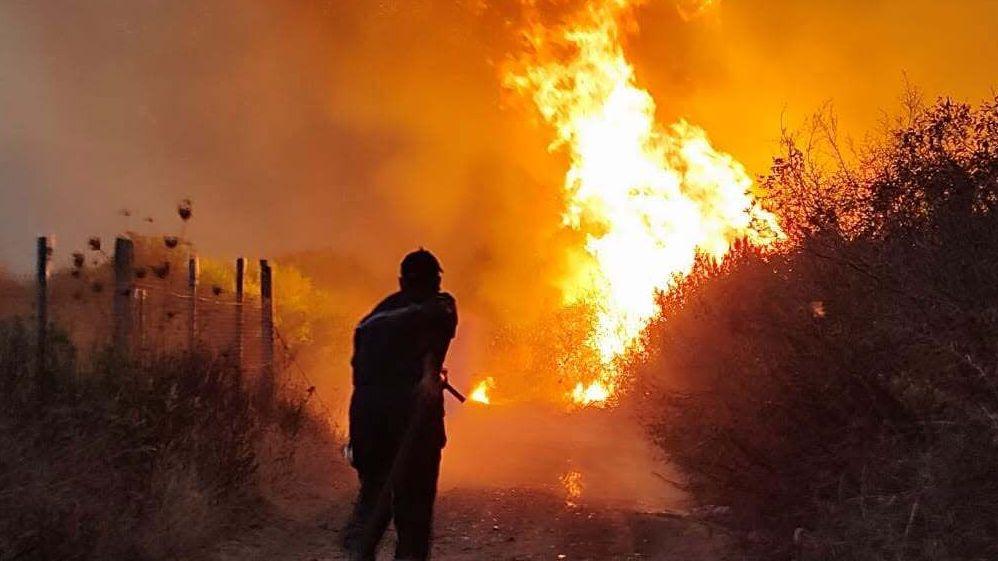
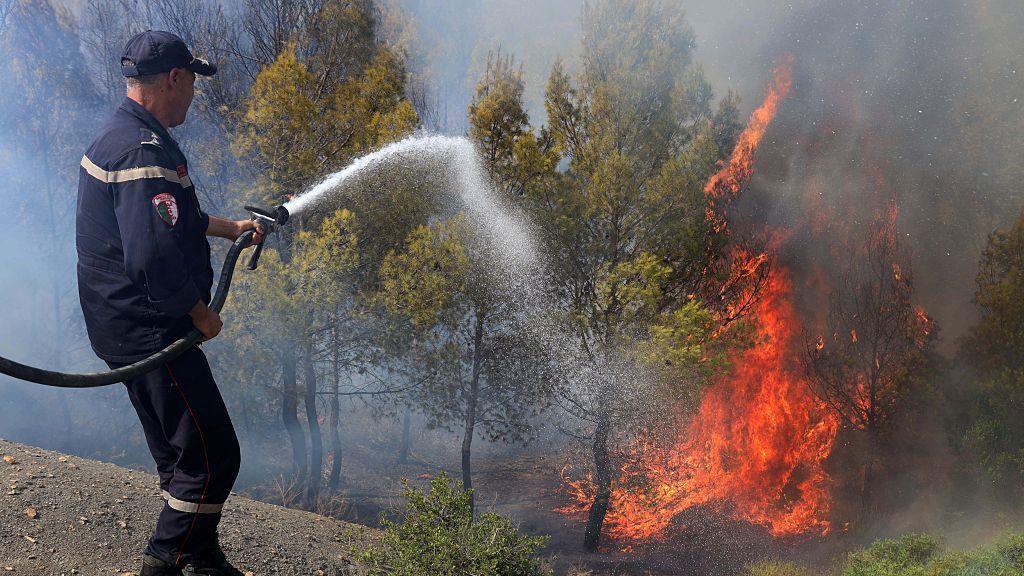
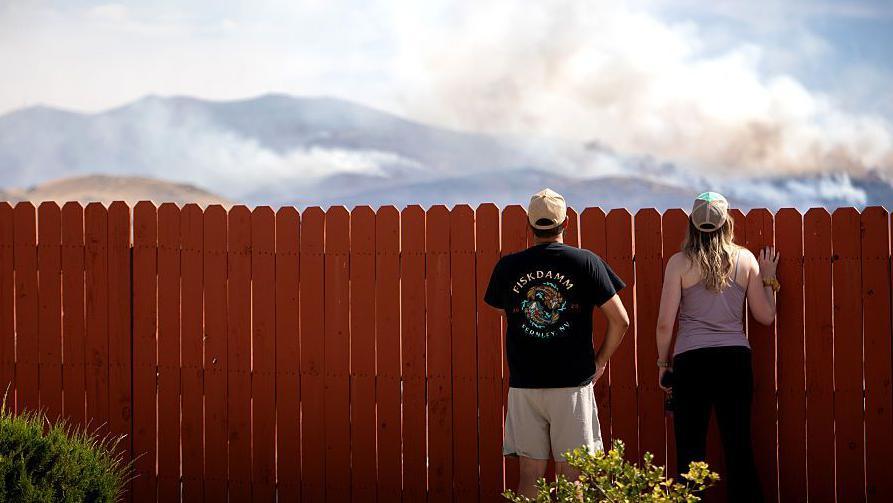
Wildfire risk remains relatively low across much of the Southwest despite the heatwave due to light winds in the region. Less windy conditions provide a buffer, making it less likely for large, fast-moving fires to ignite. However, conditions differ further east, where dry air, parched vegetation, and persistent breezes could create a more favorable environment for wildfires.
This developing heatwave follows recent blizzards and frigid conditions in the Midwest and Great Lakes, along with heavy thunderstorms and tornado threats towards the East Coast. By the end of the week and into next week, above-average temperatures are expected to spread across much of the United States.