In brief
Following President Trump's decision to revoke the Obama-era endangerment finding, experts predict a range of adverse effects on the environment, economy, and public health, including increased greenhouse gas emissions, economic implications for the automotive industry, and a potential rise in legal actions against polluters.
Six Possible Effects of Trump's Climate Policy Change
US President Donald Trump has announced the reversal of the so-called endangerment finding, a key Obama-era scientific ruling that underpins much of US environmental legislation.
As a result of this, experts are predicting various environmental and economic impacts, though the decision by the US Environmental Protection Agency (EPA) is expected to be challenged in the courts from environmental groups.
Fewer Greenhouse Gas Emissions Restrictions
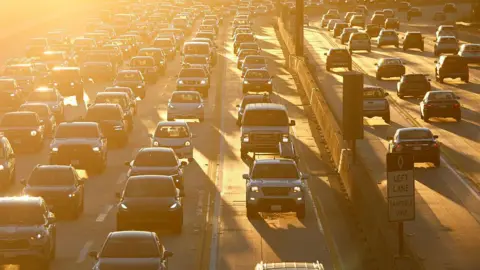
The most obvious outcome of the legislative change is that there will be fewer restrictions placed on greenhouse-gas-producing industries - in particular vehicle manufacturers. The 2009 endangerment finding was the result of a major report by the EPA, which identified six greenhouse gases, including carbon monoxide and methane, as endangering current and future generations.
The impact of the ruling until now has been notable. Greenhouse gas levels in the US peaked in the late 2000s and have been on a steady decline in the years since. With the endangerment finding gone, so is much of the legal basis limiting US industries in the amount of greenhouse gases they are allowed to emit.
Cheaper Cars in the US but Difficulties with Exports
While there has already been a backlash from environmental groups, the Trump administration claims removing the endangerment finding will be economically beneficial - particularly when it comes to the cost of vehicles.
However, the rollback of certain standards may make American cars harder to export to regions with stricter emissions regulations, potentially hurting global competitiveness.
Legal Challenges and Nuisance Lawsuits
Legal experts predict that without the endangerment finding, there will likely be a surge in environmental lawsuits, as public nuisance actions could become more prevalent without federal regulations in place.
Public Health Concerns
According to estimates from the Environmental Defense Fund, increased emissions resulting from the rollback could lead to tens of thousands of premature deaths and millions more asthma attacks by 2055, raising serious concerns about the public health implications.
Impact on Global Competitiveness
The US's decision to retreat from environmental regulations contrasts sharply with global trends toward renewable energy and environmental sustainability. Experts argue that this regulatory rollback could hinder the competitiveness of US automakers in an increasingly eco-conscious global market.
Less Industry Regulation
While Trump's administration argues that reduced regulation will fuel economic growth, critics warn it could exacerbate the impacts of climate change and lead to greater long-term costs for society due to environmental degradation.