In brief
In northern Nigeria, Mohammed Saidu was ordered to serve two weeks in prison and pay a hefty fine after neighbors reported the unbearable smell caused by dozens of bags of human waste stored outside his home. The magistrate in Kano observed the conditions, deemed the storage a threat to public health, and ruled that Saidu must clear the waste and promise never to repeat the offence. The case underscores the tension between informal agricultural practices and local regulations, and highlights community action when authorities intervene.
In northern Nigeria a man, Mohammed Saidu, was jailed for two weeks after neighbours complained about his practice of storing bags of human feces outside his home, making the area intolerable.
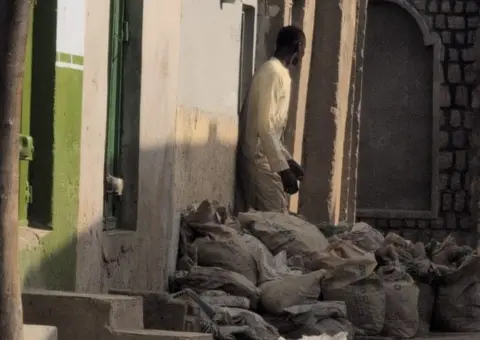
The case brought to the Kano magistrate court led to a detention order for 14 days and a fine of 100,000 naira. Saidu, who works as a septic tank emptier, admitted having about 50 bags of feces and that he sold them as fertilizer, a common though rarely publicised local practice.
Neighbors said the stench had become unbearable, prompting an official investigation. Saidu explained that he had started this after obtaining waste from households, but when local chief Musa Abdullahi intervened, Saidu removed the bags – though he later resumed the activity.
Magistrate Halima Wali reviewed the premises before ruling, observing the stench and requiring Saidu to clear all waste and promise never to repeat the offence.
With the eruption dealt with, residents say life has returned to a normal tolerance level, thanking the authorities and chief for stepping in.
The incident highlights the tension between traditional waste management practices and public health regulations in the region.